Governance in Rheinberg: Decisions and Structures in March 2026
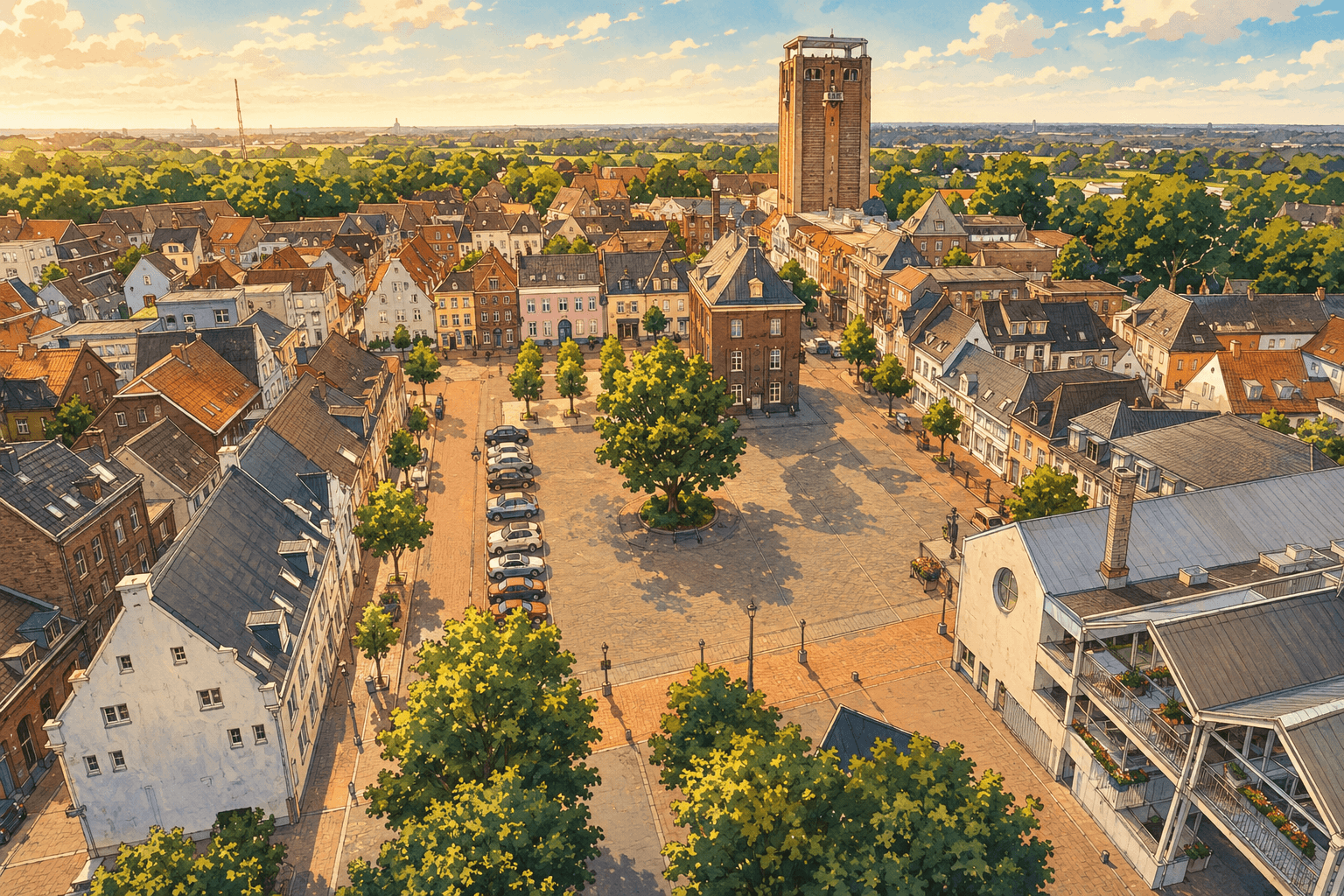
In March 2026, several significant governance-related decisions were made in Rheinberg. The focus was on clarifying cases of lost mandates, the election of deputies, and the conduct of audit committee meetings. These decisions illustrate the complexity and transparency of local political processes in the city.
Governance in Rheinberg: Decisions and Structures
The city of Rheinberg addressed several significant governance-related issues in March 2026 that were of great political and legal importance. Meetings of the Council and the Audit Committee yielded decisions that influence the structure and transparency of local political work.
Loss of Mandate and Replacement
A central issue was the confirmation of Annette Seitz's loss of mandate. According to § 37 KWahlG, a council member loses their seat if they subsequently lose their eligibility to stand for election. In this case, Seitz was no longer registered in Rheinberg, which justified the loss of her seat in the city council.
On 04.03.2026, the City Council of Rheinberg confirmed by resolution that Seitz had lost her seat as of 01.11.2025. It was also decided that she would not be allowed to participate in the work of the Council until the resolution became legally binding. This is necessary to ensure a smooth replacement of the now-vacant seat.
The CDU faction requested a suspension of the session to discuss the consequences of the loss of mandate internally. In addition, Alliance 90/The Greens requested a legal review of the replacement process to ensure that all legal provisions were followed.
Election of a New Deputy Mayor
Another focal point was the election of a deputy mayor for Department II. The position was advertised externally, and 19 applications were received. An election commission and interviews with five candidates ultimately led to the election of Susanne Goerke, who was confirmed with 41 yes votes.
The election of a deputy mayor is a crucial step for the city's administrative structure. Deputy mayors are elected by the Council for eight years and must meet professional requirements. The vote usually takes place in a public session unless one-fifth of the Council members request a secret ballot – which did not happen in this case.
Audit Committee: Transparency and Responsibility
During the Audit Committee meeting on 05.03.2026, several administrative and organizational issues were decided. Uwe Kämpken chaired the committee, and several factions as well as expert citizens participated in the session.
The most important event was the appointment of Franziska Grotzke as secretary of the Audit Committee. The appointment was made in accordance with § 52 (1) in conjunction with § 58 (7) GO NRW and did not result in any financial implications. In addition, the minutes of the public meeting on 10.04.2025 were accepted with eight abstentions.
Although a Q&A session for residents was planned, it did not take place. The obligation of Celina Blaj and Günter van Wesel, as well as the participation of Arno Theussen (FDP), was carried out to ensure transparency and public involvement.
Outlook and Challenges
The decisions made in March 2026 demonstrate how complex and transparent the governance structures in Rheinberg are. The city has deliberately chosen legally compliant and democratically secured processes, which is particularly important in times of political tensions and questions of trust.
In the future, it will be crucial to ensure a smooth and legally secure replacement of the vacant council seat. Furthermore, the inclusion of citizens in political decision-making processes will remain a central component of local governance. With these steps, Rheinberg shows that it is on the right path in dealing with complexity and transparency.
NeoSearch analyses public council documents, committee minutes and municipal announcements. Source references appear automatically once verified meeting data is available.
What does this mean for businesses?
Town halls, fire stations, depots and administrative buildings create early construction and refurbishment opportunities. Following council agendas reveals projects before they go to tender.
Track similar decisions in your region
Set up monitoring for public buildings & administration in Nordrhein-Westfalen — prefilled from this article.
Set up monitoring →More signals from Rheinberg
Rheinberg in April 2026: Construction Projects, Renovations, and Mobility Development
In April 2026, the city of Rheinberg set important priorities in the areas of construction, school infrastructure, and mobility. The Construction and Planning Committee as well as the Committee for Urban Development, Environment, Agriculture, and Mobility made clear decisions and guidelines.
Read more → Rheinberg: Urban Development and Construction in April 2026 – Impulses, Challenges, and Future Visions
In April 2026, the city of Rheinberg set new impulses in the fields of urban development, construction, and mobility. From the revision of the Building Code to the renovation of school toilets – the city is pursuing its policy goals with clear planning and forward-looking strategies. This blog article analyses the most important decisions, backgrounds, and implications.
Read more → 2026 Budget Plan: Rheinberg Between Deficits, Investments, and Cost-Cutting Measures
In March 2026, the focus in Rheinberg was on decisions regarding the 2026 budget. A deficit of over 14 million euros, investments in climate protection and digitalization, and cost-cutting measures in social and tourism areas outline a complex picture of municipal financial policy.
Read more →