**Urban Development in Neuss: Future Visions, Neighborhood Planning, and Cultural Communication in April 2026**
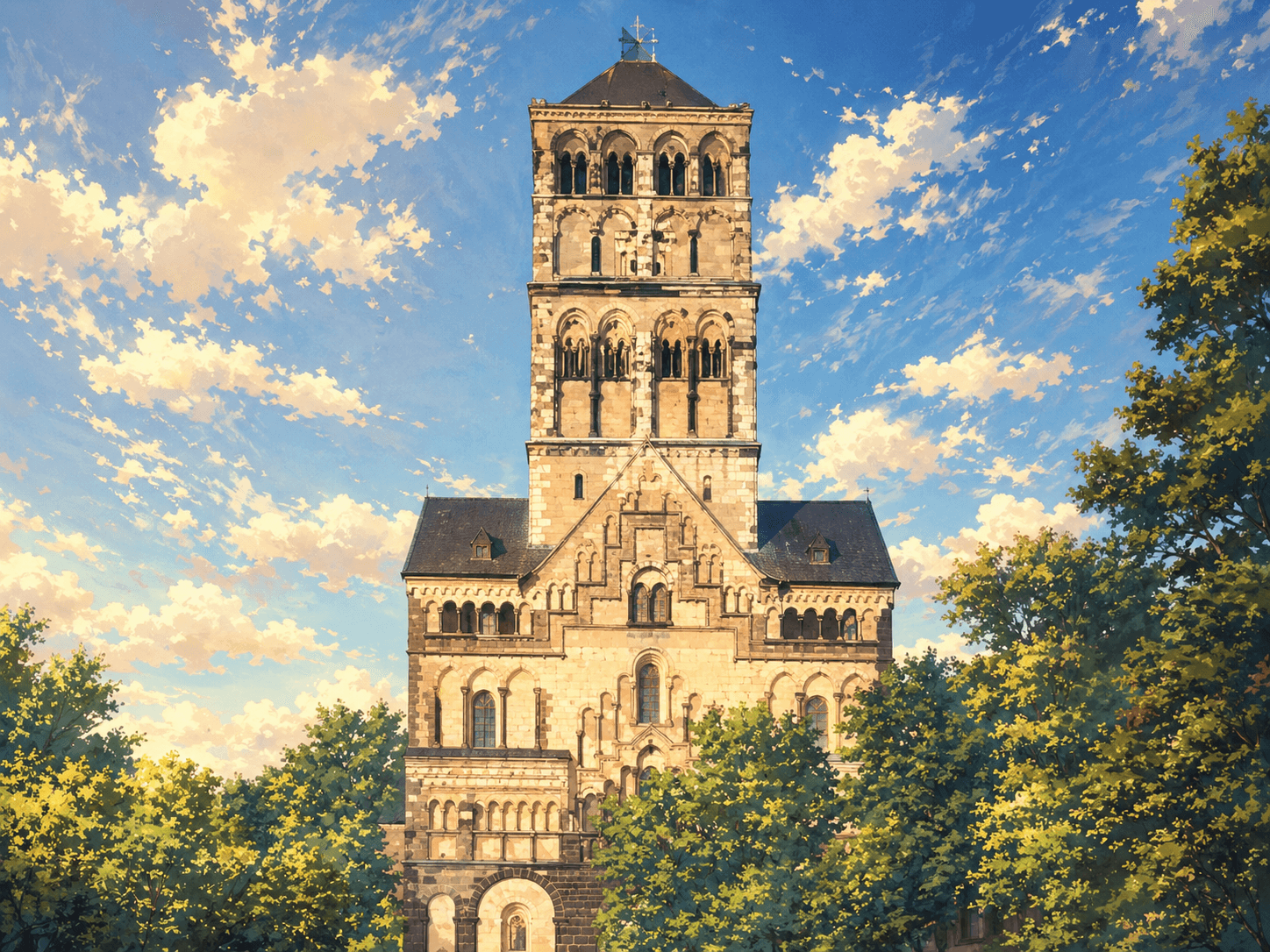
In April 2026, the city of Neuss focused intensively on forward-looking urban development, neighborhood planning, and archaeological communication. In Grefrath and Gnadental, new building areas were planned, a Roman heritage was made visible, and sustainable infrastructure was discussed.
Urban Development in Neuss: Neighborhood Planning, Climate Resilience, and Cultural Communication
Urban development in Neuss is a central theme in April 2026, addressing both the future viability of the city's infrastructure and its cultural identity. With a focus on Grefrath and Gnadental, new building areas, archaeological communication projects, and urban transformation concepts were discussed. The planning process is not only technical but also shaped by social and cultural considerations, aiming at vibrant, sustainable, and barrier-free neighborhoods.
Neighborhood Planning in the Neuss Hammfeld: Urbanization with Purpose
The development of the Neuss Hammfeld is a central project in the city's renewal efforts. The site is being transformed from a currently mono-functional office area into a vibrant urban quarter with mixed-use functions. The goal is to integrate residential, work, local amenities, and open spaces within an urban structure.
The planning includes three building phases: the Entrance-Baumfeld, the residential courtyards, and the central neighborhood square with a kindergarten. A 20-meter-wide green axis connects the Bürgerpark with the Rheinpark, offering seating areas, rain gardens, and barrier-free paths. The building structures are coordinated with the surrounding neighborhood and aim to create accents through differentiated street edges and urban highlights. Ground floors are reserved for kindergartens, retail, and full-service stores, promoting local amenities and social diversity.
For transportation, a tram line along the Hammfelddamm is planned, supplemented by a mobility hub and Kiss&Ride zones. Underground garages and clear pedestrian and cycling routes are intended to optimize traffic flow and prevent bottlenecks.
Sustainability and Climate Resilience in Urban Planning
Sustainability and climate resilience play a central role in the planning of the Hammfeld. Retention roofs, cisterns, rain gardens, and permeable surfaces are integrated into the district. A central retention area, the so-called Regenwaldplatz, serves as a climate-adapted open space. The goal is to create a lively, climate-stabilizing neighborhood that remains resilient even during heavy rainfall.
The greening and opening of existing corridors strengthen the quality of open spaces and create new places for people to gather. The involvement of planning firms such as JSWD Architects, PBP prasch buken partner, and DM Dewey Muller underlines the professional and design quality of the project. A participatory process with DIALOG events and 3D visualizations actively engages the local population in the development.
Archaeological Communication in Gnadental: Making the Roman Heritage Visible
In Gnadental, the Roman heritage is being integrated into the urban landscape. The project for a physically and visually communicative route along the Kölner Straße showcases the Roman legionary camp Novaesium through three distinctive communication sites: the Porta Principalis sinistra, the Locus Gromae (camp center), and the Porta Principalis dextra.
The architecture is designed to be minimally invasive, featuring walkways, platforms, and monuments that stand out through materials such as CorTen steel, wooden planks, and dark-gray powder-coated metal elements. The pile foundations remain above -40 cm to avoid disrupting archaeological layers. Barrier-free access is a key consideration: ramps, small stone paving, and LED lighting ensure accessibility for all.
The project is supported by municipal archaeology, structural engineering, geotechnics, and surveying, bridging science and the public. Replicas and illustrations from the Clemens-Sels-Museum and municipal archaeology complete the offering. The involvement of citizens and landowners is essential for the project's long-term acceptance.
Conclusion: Urban Development as a Process of Transformation
Urban development in Neuss is not a static process but a dynamic transformation that prioritizes sustainability, participation, and cultural identity. Through projects such as the Neuss Hammfeld or the Roman communication route in Gnadental, the city demonstrates how modern urban planning can be both future-oriented and vibrant. Challenges—ranging from parking shortages to the renovation of infrastructure—are not ignored but actively integrated into the planning process.
In April 2026, Neuss showed that urban development is more than building planning: it is a process of shaping, dialogue, and cultural rediscovery. What remains is a clear vision: to design a city that is livable for all generations.
NeoSearch analyses public council documents, committee minutes and municipal announcements. Source references appear automatically once verified meeting data is available.
What does this mean for businesses?
Schools, daycare centres and public buildings create early planning and construction opportunities. Following council agendas surfaces tenders for refurbishment, new builds and fit-out months before the official award — from shell construction to specialist planning to furnishing.
Track similar decisions in your region
Set up monitoring for education & public facilities in Nordrhein-Westfalen — prefilled from this article.
Set up monitoring →More signals from Neuss
Mobility in Neuss – A Municipal Policy Analysis April 2026
In April 2026, mobility took center stage in Neuss: from bicycle infrastructure to speed regulation. The focus was on the implementation of the cycling network, the development of neighborhood garages, and the adaptation of street infrastructure to future mobility needs.
Read more → Citizens' Initiative Reform and Legal Changes in Neuss
In April 2026, the city of Neuss adopted key legal and political measures to strengthen citizen participation, improve security, and advance the city's digital future. The focus is on reforming the citizens' initiative regulations, integrating asylum seekers, and involving youth in urban planning.
Read more → Governance and Administration in Neuss: Integration, Structures, and Challenges in April 2026
In April 2026, the city of Neuss made important decisions regarding governance and administration, focusing on integration, collaboration with the Rhein-Kreis, and administrative structures. The emphasis was on promoting equal opportunities, improving naturalization statistics, and strengthening intercultural work.
Read more →