Environment and Climate in Münster: Fight against Littering and Resource Consumption in April 2026
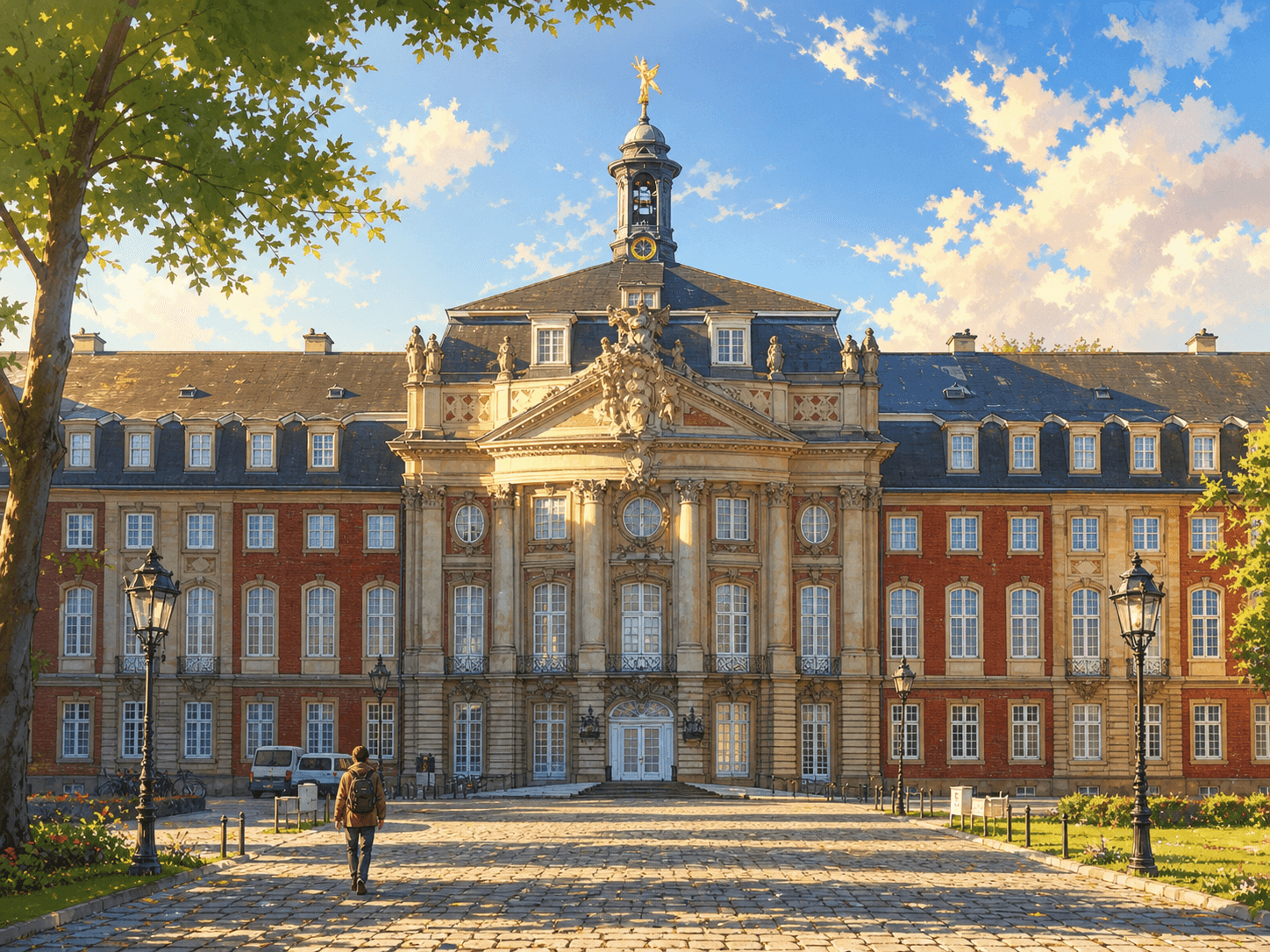
In April 2026, Münster is intensifying polluter-based measures to combat illegal dumping and environmental pressures caused by single-use packaging and fast fashion.
Environmental Impact and Municipal Response: Münster in the Spotlight
The city of Münster has intensified its efforts in April 2026 to combat environmental pressures, particularly in the areas of illegal waste disposal, single-use packaging, and sustainability in the textile industry. By combining legal instruments, awareness campaigns, and cooperation at the European level, the municipality is pursuing long-term solutions in an increasingly sensitive environmental context.
Fight against Illegal Waste Disposal
A central focus of Münster's environmental policy in April 2026 was the fight against illegal dumping. The city has developed a comprehensive package of measures including public awareness, educational initiatives, and technical adjustments. Waste containers throughout the city were replaced with larger models to improve cost-effectiveness. This is particularly relevant as experience shows that waste is often not disposed of in the provided containers.
A particular challenge is the pollution caused by takeaway packaging, which has proven to be especially costly. The city council is considering instruments such as a municipal packaging tax to directly burden the polluters. At the same time, the city is critically observing the implementation of the federal government's single-use plastic fund – in the city's view, manufacturers must be held more accountable for their products.
Textiles and Fast-Fashion: A New Focus
Münster has also intensified its focus on environmental pressures from the textile industry in April 2026. The city council welcomes European legislative initiatives on extended producer responsibility (EPR) for textiles. The goal is to promote durability, repairability, and recyclability.
The European Commission is examining by 2029 how EPR systems can be financed and managed. In Münster, discussions are currently underway on how manufacturers can be required to pay fees based on the sustainability of their products. The scope includes clothing, shoes, bed and kitchen linen, curtains, and mattresses. The aim is to curb the boom of ultra-fast and fast fashion, which consumes enormous resources and overfills textile recycling containers.
Awareness and Prevention
In addition to legal and economic instruments, Münster is focusing on preventive measures. The municipality is cooperating with organizations such as the NRW Association of Cities and Towns and the German Cities Association to exchange experiences in dealing with environmental pressures. In April 2026, an awareness campaign on "urban cleanliness" was launched, focusing on littering and illegal dumping.
In addition, two new positions for bulky waste collection have been created to remove waste more quickly. This is especially important as experience with so-called "waste detectives" has shown that this measure is neither economically nor efficient – for example, in Dortmund, it cost 1.2 million euros annually in personnel costs, while fines amounted to only about 130,000 euros.
Outlook: Sustainability as a Central Goal
Münster's environmental and climate policy in April 2026 shows that the city is ready to act actively at both the European and municipal level. By combining legal regulation, economic responsibility, and public awareness, Münster is pursuing a long-term and sustainable approach to environmental management. The challenges posed by single-use packaging and fast fashion remain, but the city is actively moving towards a more environmentally friendly future.
NeoSearch analyses public council documents, committee minutes and municipal announcements. Source references appear automatically once verified meeting data is available.
What does this mean for businesses?
Municipal heat planning, photovoltaics and climate measures create early project indicators. Following council decisions surfaces sites and tenders before they are publicly advertised.
Track similar decisions in your region
Set up monitoring for environment & climate in Nordrhein-Westfalen — prefilled from this article.
Set up monitoring →More signals from Munster
Culture and Community in Münster: Theater and Historical Preservation in Focus
In April 2026, important decisions and developments in the field of culture and community were at the center of attention in Münster. The Cultural Committee intensely addressed the future of Theater Münster and the expansion of the expert advisory board for the historical site Villa ten Hompel.
Read more → Münster's Youth Policy in April 2026: Leisure Spots, Demonstrations, and Future Visions
In April 2026, youth policy topics such as leisure meeting points, demonstrations, and collaborations with political parties were at the center of the Youth Council's focus in Münster. This deep dive reveals which decisions were made and what challenges remain.
Read more → Münster Invests in Resuscitation and Care: Where State, Technology, and Society Must Collaborate
In April 2026, Münster will discuss key measures to strengthen the resuscitation chain and care provision. The goal is to increase survival rates in cases of cardiac arrest while securing the care infrastructure for the future.
Read more →