Münster's Mobility Transformation: What Was Decided in March 2026
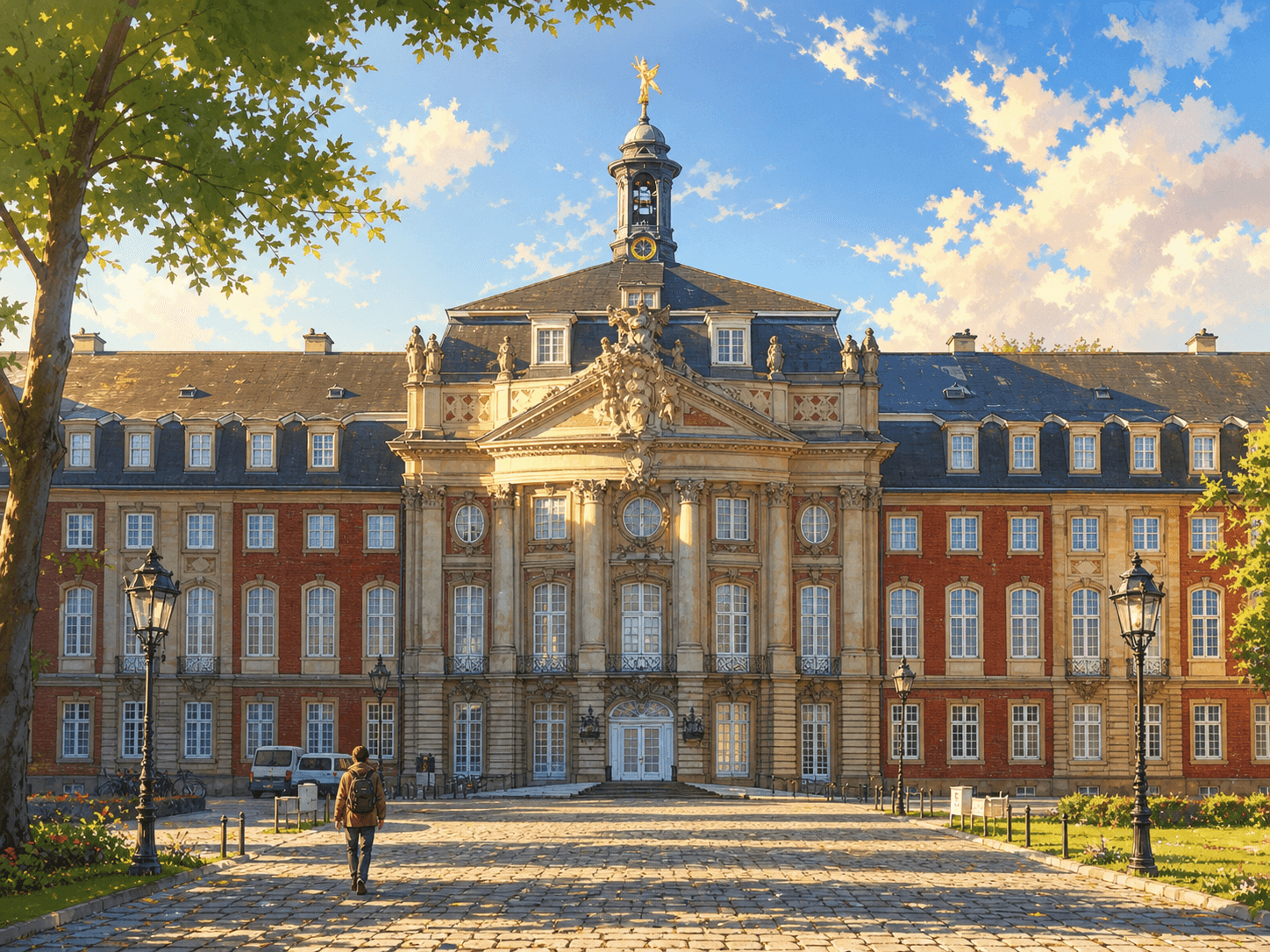
In March 2026, the city of Münster engaged intensively with forward-looking mobility topics. From the expansion of electric mobility to the redesign of traffic junctions and the reform of city bus traffic – here is an overview of the most important decisions and developments.
Mobility in Focus: What Münster Decided in March 2026
Mobility is not just a topic in Münster but a central component of urban development. In March 2026, numerous decisions were made that are intended to sustainably change traffic in the city. The topics range from the introduction of new parking regulations and the expansion of charging infrastructure to the reform of transport companies. Below is an overview of the most important points.
Traffic Safety and Optimization: The Roundabout at Von-Esmarch-Straße Is Being Redesigned
A central issue was the redesign of the roundabout at Von-Esmarch-Straße, which is known as a hotspot for accidents. After a thorough review, the city of Münster decided against continuing the planning halt and opted for the implementation of the "signal-controlled intersection" variant. This variant offers the best balance between traffic safety, efficiency, and public acceptance. The implementation costs amount to approximately 1.9 million euros, with hopes for 60% in subsidies.
The decision follows the guiding principle of "Vision Zero," which aims to prevent fatal and serious accidents. Moreover, the redesign is a step toward modern traffic planning that prioritizes flexibility and safety for all road users.
E-Mobility: Münster Is Installing Charging Options at Street Lamps
As part of the initiative "Münster electrified," the city plans to install charging options for electric vehicles at up to five street lamps. The administration aims to expand the charging infrastructure in the city center, particularly at Park-and-Ride locations. Currently, there are already 621 public charging points in Münster.
It is important to note that the city rejects the use of charging curbs due to accessibility issues and high costs. Instead, Münster is pursuing a partnership with the municipal utility company and other infrastructure operators. The administration also promotes the use of renewable energy at the charging stations and plans to create more barrier-free charging options in the future.
City Bus Traffic: Direct Assignment to a Subsidiary of the Municipal Utility Company
Another milestone was the decision to directly assign the city bus traffic to a new subsidiary of Münster Stadtwerke GmbH. The new company, "Stadtwerke Münster Mobilität GmbH," will take over the public service obligation (ÖDA) from 2028.
The advantage of the direct assignment is that it avoids the fragmentation of the transportation offer and enables unified planning. Münster Stadtwerke GmbH has extensive experience and positive customer feedback. The direct assignment is based on § 108 of the German Public Procurement Act (GWB) and is announced in accordance with EU law. The basic decision was made in March 2026, and implementation is planned for the end of 2027.
Parking Regulations: Visitor Parking Permit Introduced
To make no-parking zones more effective, a new visitor parking regulation has been introduced. The visitor parking permit is exclusively available to residents and can be applied for digitally. The cost is 10.20 euros per day and permit – significantly cheaper than parking garages. The regulation applies to mixed-principle resident parking zones, while in separate-principle zones, free parking remains.
The introduction is planned for the second quarter of 2026. The goal is to relieve traffic and at the same time offer residents more flexibility. Exceptions remain in place for people with mobility impairments.
Outlook: Münster as a Future Mobility Model
The decisions made in March 2026 show: Münster is pursuing a modern, sustainable, and flexible mobility strategy. Whether through the expansion of e-mobility, the reform of public transport, or the redesign of traffic junctions – the city is moving toward a forward-looking transport policy. The implementation of these projects will be crucial in the coming years to achieve climate goals and the demand for a livable urban environment.
NeoSearch analyses public council documents, committee minutes and municipal announcements. Source references appear automatically once verified meeting data is available.
What does this mean for businesses?
Urban development, zoning plans and commercial settlements create early construction and supply opportunities. Following council decisions reveals projects before they go to tender.
Track similar decisions in your region
Set up monitoring for economic development in Nordrhein-Westfalen — prefilled from this article.
Set up monitoring →More signals from Munster
Culture and Community in Münster: Theater and Historical Preservation in Focus
In April 2026, important decisions and developments in the field of culture and community were at the center of attention in Münster. The Cultural Committee intensely addressed the future of Theater Münster and the expansion of the expert advisory board for the historical site Villa ten Hompel.
Read more → Münster's Youth Policy in April 2026: Leisure Spots, Demonstrations, and Future Visions
In April 2026, youth policy topics such as leisure meeting points, demonstrations, and collaborations with political parties were at the center of the Youth Council's focus in Münster. This deep dive reveals which decisions were made and what challenges remain.
Read more → Münster Invests in Resuscitation and Care: Where State, Technology, and Society Must Collaborate
In April 2026, Münster will discuss key measures to strengthen the resuscitation chain and care provision. The goal is to increase survival rates in cases of cardiac arrest while securing the care infrastructure for the future.
Read more →