Münster's 2026 Budget Plan: Cultural Subsidies, Sports Assistance, and Time-Limited Grants in Focus
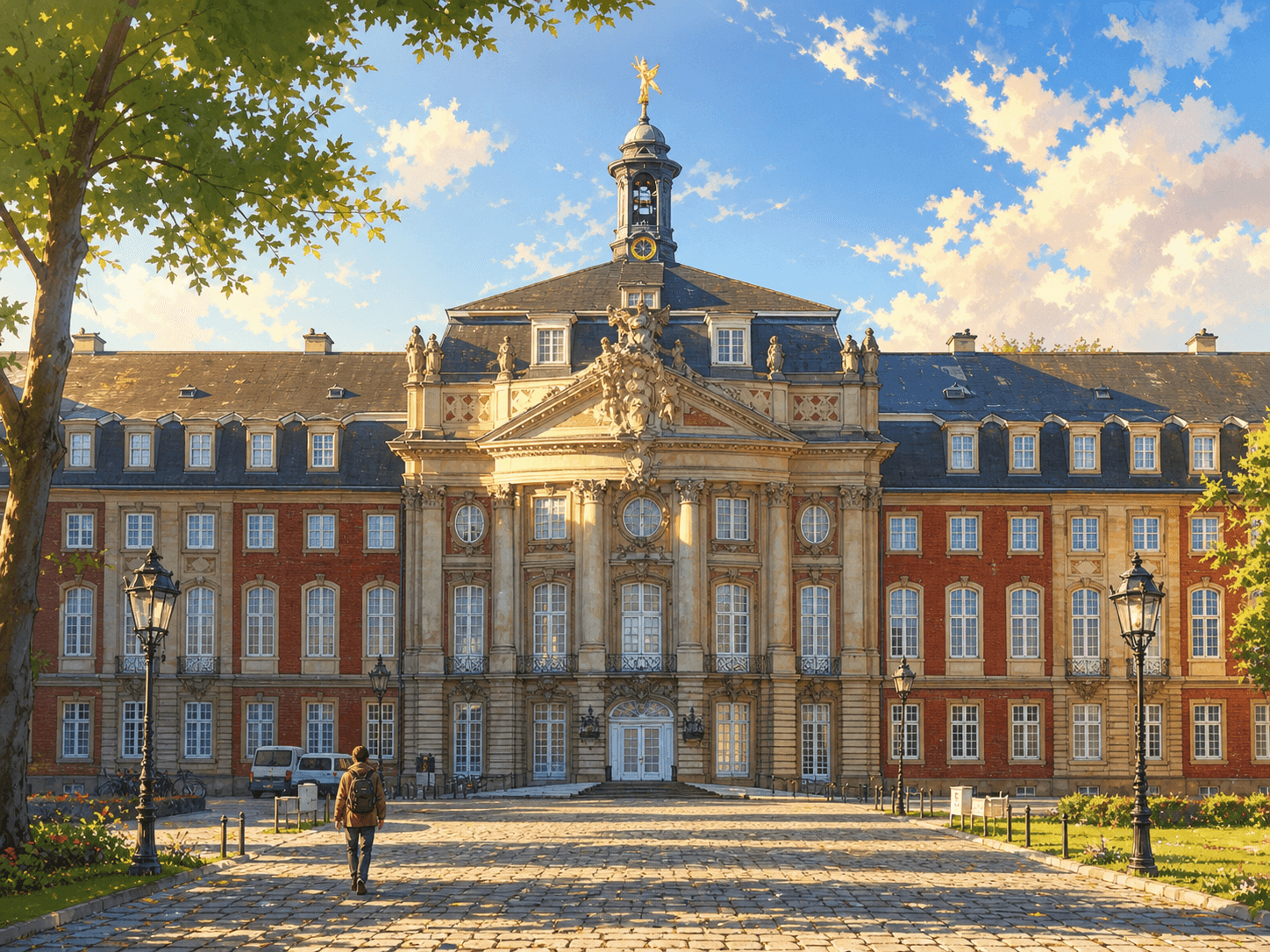
In January 2026, decisions on the municipal budget were at the forefront in Münster. Particularly notable were the expansion of cultural subsidies, the reform of grant allocation with sunset clauses, and the assistance for SC Preußen Münster. An analytical overview of the financial decisions made.
Budget Plan 2026: Cultural Subsidies, Sports Assistance, and Time-Limited Grants
January 2026 was a month of intense budget discussions in Münster. The city set important impulses not only in the field of culture, but also in sports promotion and the reform of grant allocation. The decisions show how Münster is focusing on long-term planning security, financial transparency, and sustainability – but also that compromises and financial burdens are foreseeable.
Cultural Subsidies: A Million Euros Plus
In January 2026, nearly 2.9 million euros in subsidies for cultural institutions were approved. The list of recipients ranges from established institutions such as the Theaterhaus Pumpenhaus (total funding of 696,842 euros) via the Wolfgang-Borchert-Theater (365,920 euros) to smaller initiatives like the Charivari Puppet Theater (67,809 euros). Particularly striking is the funding of the Association for the Promotion of the Wolfgang-Borchert-Theater, which leads the subsidies with 365,920 euros.
The subsidies are not only a financial support, but also a signal for cultural diversity and the stability of cultural institutions in the city. At the same time, it becomes clear that Münster is consciously focusing on a broad range of cultural activities – from theater over music to film and visual arts.
Reform of Grant Allocation: Sunset Clauses and Dialogue Processes
The reform of grant allocation is one of the central innovations in Münster's budget policy. The city has decided to grant subsidies for a limited period in the future. The duration of the time limit depends on the type of support: 1–3 years for project-based funding, 4–6 years for mid-term funding, and 8–10 years for ongoing funding.
These sunset clauses are intended to create transparency and enable regular evaluation of the financial effects. At the same time, they are supposed to put pressure on the cultural administration to assess the effectiveness of the funding and make corrections if necessary. To implement the reform, an additional staff position (0.75 position) was approved, and all regularly funded institutions were informed about the new procedure.
The cultural administration has grouped 31 institutions into clusters to gradually conduct dialogue processes until 2033. These discussions are intended to help facilitate time-limited grants and resubmission of applications. The first time-limited grants in the grant report 2026 affect subsidies that will expire in 2026 or 2027. In general, decisions on the continuation of a subsidy will be made one year in advance, even up to two years for larger institutions.
The reform is part of the budget deliberations for the double budget 2026/2027 and will significantly influence in the coming years how cultural institutions in Münster are financially supported.
Sports Assistance: SC Preußen Münster in Focus
In addition to culture, sports promotion was also in focus in January 2026. Particularly noticeable was the financial assistance for SC Preußen Münster. The city has approved a grant of 585,293 euros for the year 2026, if the club plays below the Second Bundesliga in the 2026/2027 season. In case of retaining its class, the grant is reduced to 195,098 euros. The funds required for financing are budgeted at 780,390 euros in the draft budget 2026/2027.
The support for SC Preußen Münster is classified as a completely voluntary service, which means that the city has no legal obligations here. At the same time, the grant is subject to the availability of funds approved by the Münster City Council. This shows that the city is ready to provide financial support, but also that it is financially cautious and reacts to the sporting development of the club.
Outlook: More Transparency, but Also Challenges
The budget decisions in January 2026 show that Münster is consciously focusing on long-term financial planning and a transparent grant allocation. At the same time, it becomes clear that these decisions are not without financial burdens. The time-limited grants and the reform of grant allocation will lead to more dialogue with cultural actors in the coming years, but also to more administrative work and possibly more uncertainty.
The financial support for SC Preußen Münster shows that the city is willing to take financial risks in sports projects – but only within the limits that the budget allows. Overall, Münster is on a course that prioritizes transparency, sustainability, and financial responsibility. This course will be decisive in the coming years for how Münster positions itself as a culturally and sports-attractive city.
NeoSearch analyses public council documents, committee minutes and municipal announcements. Source references appear automatically once verified meeting data is available.
What does this mean for businesses?
Municipal council decisions are early indicators: following the council agenda surfaces projects and tenders months before the official award — before they ever reach the procurement portals.
Track similar decisions in your region
Set up monitoring for Finance and Budget in Nordrhein-Westfalen — prefilled from this article.
Set up monitoring →More signals from Munster
Culture and Community in Münster: Theater and Historical Preservation in Focus
In April 2026, important decisions and developments in the field of culture and community were at the center of attention in Münster. The Cultural Committee intensely addressed the future of Theater Münster and the expansion of the expert advisory board for the historical site Villa ten Hompel.
Read more → Münster's Youth Policy in April 2026: Leisure Spots, Demonstrations, and Future Visions
In April 2026, youth policy topics such as leisure meeting points, demonstrations, and collaborations with political parties were at the center of the Youth Council's focus in Münster. This deep dive reveals which decisions were made and what challenges remain.
Read more → Münster Invests in Resuscitation and Care: Where State, Technology, and Society Must Collaborate
In April 2026, Münster will discuss key measures to strengthen the resuscitation chain and care provision. The goal is to increase survival rates in cases of cardiac arrest while securing the care infrastructure for the future.
Read more →