Governance in Münster: How the City is Planning for the Future
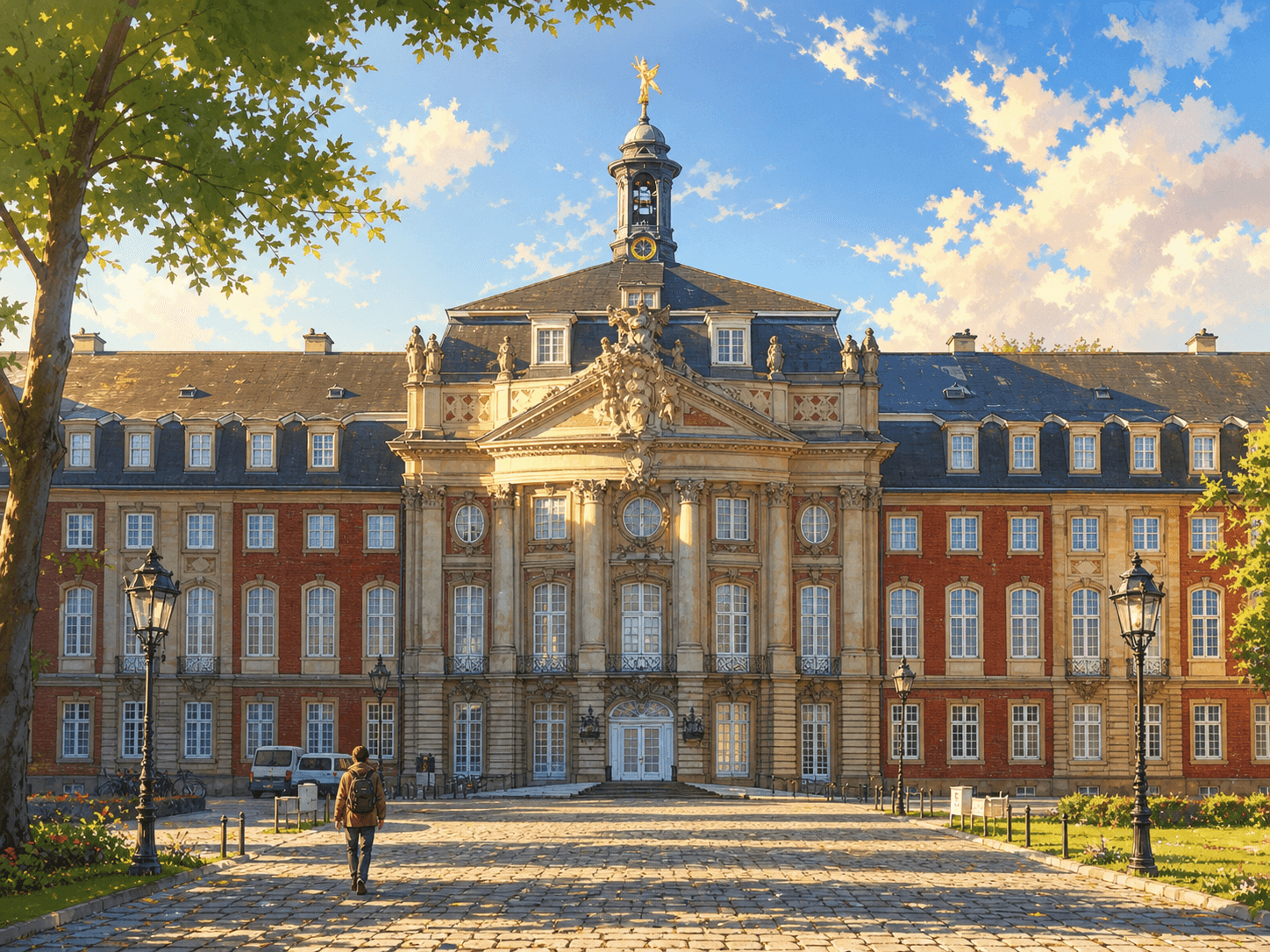
In April 2026, the city of Münster made numerous decisions in the category of Governance and Administration that affect future-proofing, planning, and administration. This blog article analyzes key topics such as population forecasts, budget planning, environmental measures, and municipal structures.
Governance in Münster: How the City is Planning for the Future
The city of Münster addressed central topics of governance and administration in April 2026, which will have far-reaching effects on the city's future development. These topics range from population forecasts and budget planning to environmental measures and municipal structures. This blog article focuses on the strategic decisions that will shape Münster in the next ten years.
Population Forecast: Basis for Future Infrastructure
In April 2026, the city of Münster approved the continuation of the population forecast for 2025–2035. According to the SIKURS forecasting model, the resident population will rise to 335,781 people by 2035 – an increase of 4.7 percent. Particularly significant is the demographic change: the population group aged 65 and over will grow significantly, while the number of children and young people will decrease. At the same time, life expectancy will increase, and the fertility rate will show a slight rise from 2028 onward.
This forecast serves as the basis for infrastructure planning, especially in the areas of education, childcare, transport, sports, and care. The urban planning department, led by Ms. Kowatsch, will incorporate this data into the city's long-term development.
Budget 2026/2027: Investments in Maintenance
In the budget plan for 2026/2027, an investment approach of 5 million euros is provided for maintenance measures, spread over the years 2026 and 2027. The focus is on the maintenance of municipal buildings, particularly schools and public facilities. The funds will be prioritized according to urgency and cost-effectiveness.
An example is the renovation of the open spaces at the Ludgerusschule Hiltrup, which is planned for 1.45 million euros. The city has also stated that it will not develop an independent app for reporting defects but will continue to use a browser-based system.
Fight against Illegal Waste Disposal: Administration and Citizen Initiatives
Another central topic was the fight against illegal waste disposal. In April 2026, the municipal authority intensified measures, including fines of up to 1,000 euros. The success rate in identifying perpetrators is about 10 percent, highlighting the challenge of anonymous behavior.
The city is cooperating with the North Rhine-Westphalia Association of Cities and Towns (Städtetag NRW) and supports EU guidelines on waste prevention. The goal is to reduce waste per capita by 30 percent by 2030. In 2025, 3,300 reports were already registered via the defect reporting system. In 2026, a targeted campaign is planned to raise awareness of urban cleanliness.
Municipal Structures: Roles and Decision-Making Processes
Governance in Münster is strongly oriented towards transparent decision-making processes and citizen participation. The local committees play a central role, especially in the consultation and approval of investments. For example, the maintenance measures in the Southeast district were decided after extensive consultation.
Another example is the re-election of mediators, such as Ms. Sabine Matzel, who has been proposed for another term of office in St. Mauritz. These structures show how Münster works in a citizen-oriented and participatory manner.
Outlook: Governance as a Key to Sustainable Development
The decisions made in April 2026 show how Münster is facing the future crisis – demographic change, climate change, waste problems, and financing. The city has committed itself to a prospective, citizen-oriented, and transparent governance. The involvement of local committees, the use of forecasts, and the cooperation with external partners are key elements to guide the city into the future.
NeoSearch analyses public council documents, committee minutes and municipal announcements. Source references appear automatically once verified meeting data is available.
What does this mean for businesses?
Town halls, fire stations, depots and administrative buildings create early construction and refurbishment opportunities. Following council agendas reveals projects before they go to tender.
Track similar decisions in your region
Set up monitoring for public buildings & administration in Nordrhein-Westfalen — prefilled from this article.
Set up monitoring →More signals from Munster
Culture and Community in Münster: Theater and Historical Preservation in Focus
In April 2026, important decisions and developments in the field of culture and community were at the center of attention in Münster. The Cultural Committee intensely addressed the future of Theater Münster and the expansion of the expert advisory board for the historical site Villa ten Hompel.
Read more → Münster's Youth Policy in April 2026: Leisure Spots, Demonstrations, and Future Visions
In April 2026, youth policy topics such as leisure meeting points, demonstrations, and collaborations with political parties were at the center of the Youth Council's focus in Münster. This deep dive reveals which decisions were made and what challenges remain.
Read more → Münster Invests in Resuscitation and Care: Where State, Technology, and Society Must Collaborate
In April 2026, Münster will discuss key measures to strengthen the resuscitation chain and care provision. The goal is to increase survival rates in cases of cardiac arrest while securing the care infrastructure for the future.
Read more →