Moers: Urban Development and Construction Planning in April 2026 – Highlights and Challenges
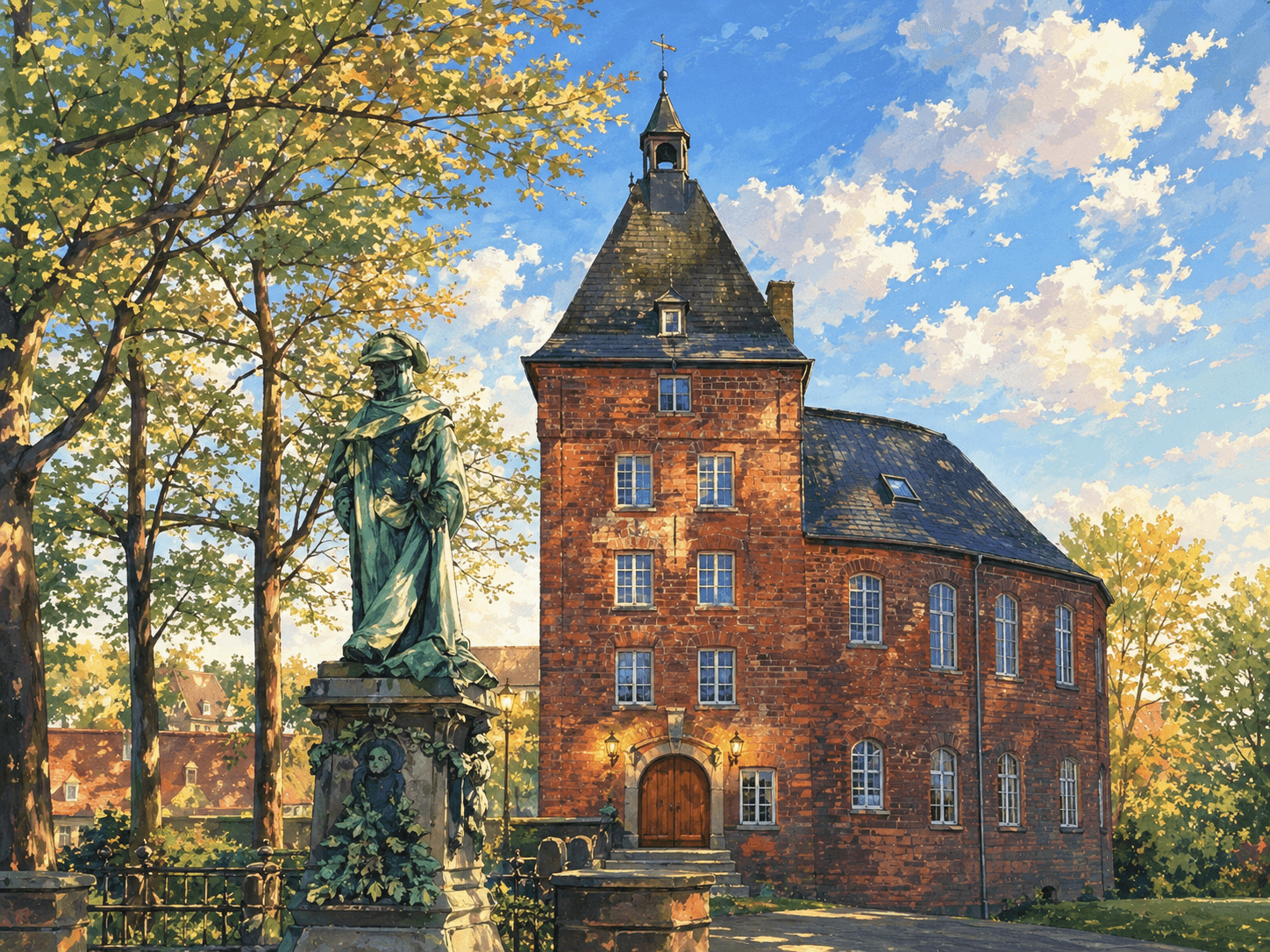
In the April 2026 session, urban development, traffic, and infrastructure were at the center of attention in Moers. With plans for new workshops, traffic improvements, and sewer construction, the city is investing in long-term projects – yet not all initiatives received approval.
Moers’ April 2026: Urban Development in Focus – Planning, Financing, and Traffic Debates
In April 2026, central themes of urban development once again took center stage in Moers. The Committee for Urban Development, Planning, and the Environment extensively discussed zoning plans, local transport projects, sewer construction measures, and financial issues. The debates revealed how closely the city's future is linked to infrastructure, climate change, and mobility requirements.
Zoning Plan 247: The New LINEG Workshop in Repelen
The most controversial planning process in April was Zoning Plan 247, which proposes the construction of a new workshop for the LINEG subsidiary of Moerser Stadtwerke on Pattbergstraße. The site is located on the area of the former Zeche Pattberg coal mine, north of the A42 motorway. The old location in Im Meerfeld was no longer viable due to capacity constraints and flood risks.
The new zoning plan entails a comprehensive planning mandate, requiring studies on species protection, noise, traffic, and drainage. The costs for the administrative process amount to approximately 12,000 €, covered by the responsible entity. The decision to proceed was scheduled for April 30 – a decisive step to initiate the planning process.
Public Transport: XBus-30 Rejected, but Objective Praised
Another central topic was local transport planning. The XBus-30 line, intended to increase the frequency of Line 68 from a 60-minute to a 30-minute interval and raise the number of weekly trips from 180 to 380, was rejected in the meeting. The cost of the project was 355,000 €, with funding provided by the state of North Rhine-Westphalia. Nevertheless, financial flexibility and clear legal foundations were lacking to realize the project.
Line 911 also required further discussion: it was supposed to operate at 30-minute intervals, which it was not doing. In addition, citizens criticized the poor functionality of the passenger information system. These debates show how sensitive local transport planning is in Moers – and how dependent the city is on state support.
City Center Renovation and Street Construction: Progress and Constraints
The city center renovation is one of the largest construction sites in Moers. The first construction phase is on schedule, with a pickup and delivery service set up in Fieselstraße. From March 30, a full closure was planned on Rheinberger Straße / Mühlenstraße, causing traffic congestion.
Further road construction measures affected Andreasstraße, Schlegelstraße, Forststraße, and Ernst-Holla-Straße. Another pilot project is the installation of Flex Bollards at the EDEKA car park on Länglingsweg, aiming to make parking more flexible.
Financing and Budget: Where Are the Limits?
Financial issues accompanied many of the discussions. Moerser Stadtwerke requires significant investments, especially in public transport. At the same time, fare income and municipal subsidies are insufficient. One suggestion was the introduction of a local transport levy, as already established in France and Vienna. However, the administration expressed concerns, as no clear state legal foundations currently exist.
Sewer Construction and Stormwater Management: Investments in the Future
Another focal point was sewer construction planning. Moers plans to invest several million euros between 2026 and 2036 to modernize its sewer network. Particularly affected are the districts of Hülsdonk, the city center, Meerbeck-Ost, and Keltenstraße. This includes sewer repairs, stormwater retention channels, and infiltration facilities. The costs for individual projects, such as the renovation west of Neustraße (2033) or sewer construction in Römerstraße, amount to several hundred thousand euros.
In the area of stormwater management, new infiltration basins were planned, including retention soil filters in Meerbeck-Ost. These measures are essential to cope with climate change and heavy rainfall events.
Conclusion: Moers is Building for the Future – But with Limitations
The April 2026 sessions show that Moers is actively working on the future of its infrastructure. Whether in the area of public transport, sewer construction, or urban development – the city is investing in projects that will have long-term effects. At the same time, financial constraints and a lack of legal foundations remain challenges.
The question is whether Moers will be able to mobilize the necessary funds from state and federal budgets in the coming years to implement its vision of a modern, sustainable, and transport-friendly city. The next few months will be decisive – not only in planning, but also in implementation.
NeoSearch analyses public council documents, committee minutes and municipal announcements. Source references appear automatically once verified meeting data is available.
What does this mean for businesses?
Urban development, zoning plans and commercial settlements create early construction and supply opportunities. Following council decisions reveals projects before they go to tender.
Track similar decisions in your region
Set up monitoring for economic development in Nordrhein-Westfalen — prefilled from this article.
Set up monitoring →More signals from Moers
Moers April 2026 – Traffic, Budget and Planning in the Spotlight
In April 2026, Moers focused on decisions related to traffic, budget and urban planning. Here is a compact monthly review.
Read more → Governance in Moers: Transparent Access to Council Information
In the week of April 2026, the focus in Moers was on the digital transparency of the municipal administration. A new council information system promises greater accessibility for citizens, politicians, and administration. But how far has the implementation progressed, and what challenges remain?
Read more → Moers and the Future of Mobility – A Report on Transportation Policy in March 2026
In March 2026, the North Rhine-Westphalian city of Moers focused on numerous measures in the field of mobility. From the introduction of a new XBus route to controversial construction projects and speed reductions – Moers is pursuing a modern, climate-friendly, and traffic-efficient urban development.
Read more →