Governance in Moers: Transparent Access to Council Information
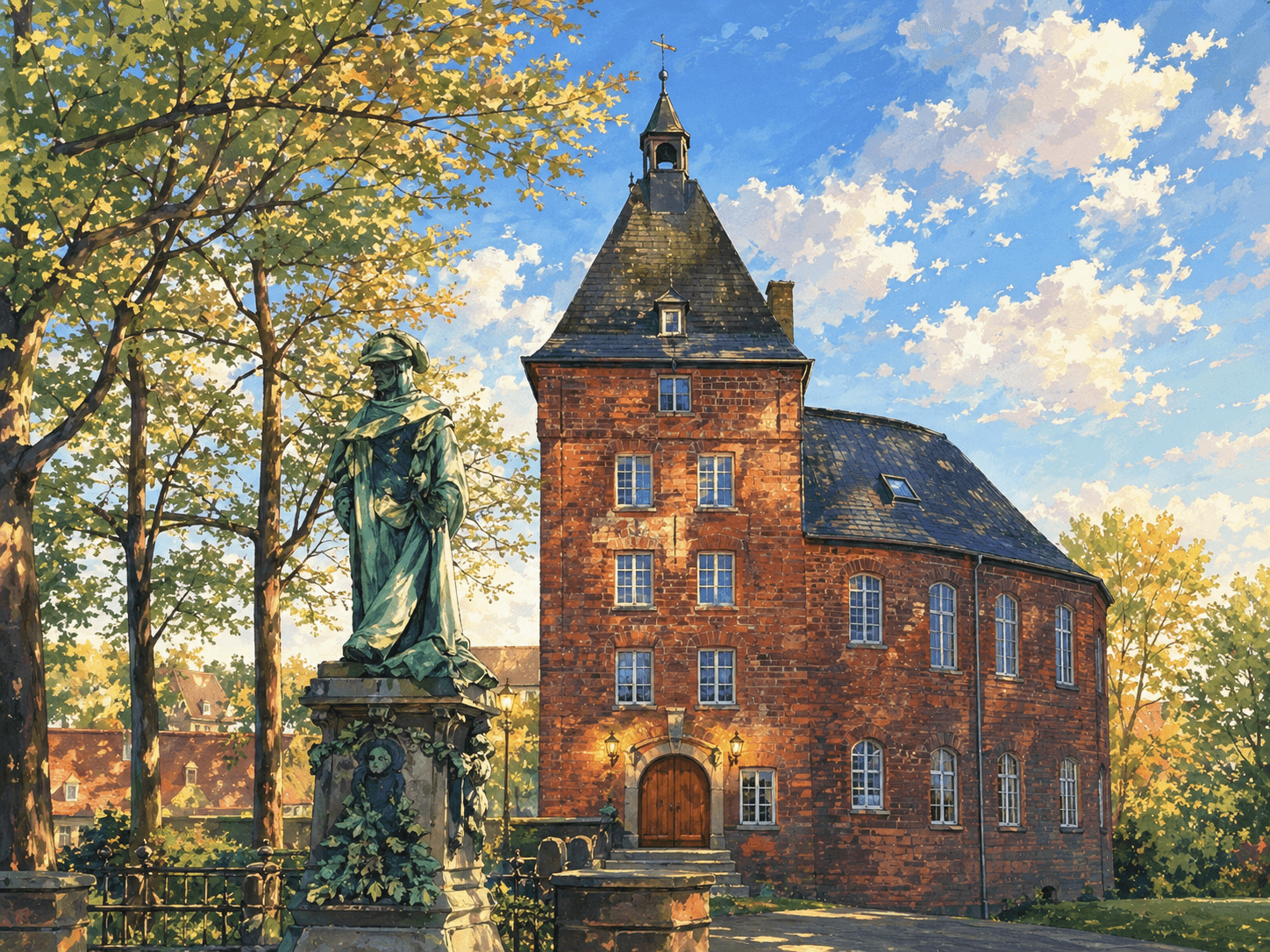
In the week of April 2026, the focus in Moers was on the digital transparency of the municipal administration. A new council information system promises greater accessibility for citizens, politicians, and administration. But how far has the implementation progressed, and what challenges remain?
Governance and Digital Transparency in Moers
In a time when digital transformation and transparency in public administration are becoming increasingly important, Moers embarked on the path of introducing a council information system in April 2026. This system is intended to provide citizens, politicians, and administrative staff with a central platform where decisions, documents, and meeting contents are visible and traceable.
The initiative reflects the trend toward greater citizen participation and trust-building, which is being adopted in many cities across Europe. With this initiative, Moers is sending an important signal for modern governance and administration.
The Council Information System – More Than Just a Platform
The introduction of the council information system is not merely a technical innovation, but a structural step toward more open politics. With this system, meeting minutes, draft resolutions, and discussions are to be centrally managed and made accessible to interested parties.
Another benefit is the simplification for the administration itself: Digitization allows for faster access to documents, better archiving, and more efficient collaboration. In addition, the system can serve as a tool for promoting participation, particularly among younger and digitally savvy population groups.
Challenges and Open Questions
Despite the positive visions, challenges remain. One of the biggest hurdles is implementation: How can the city ensure that the system is actually used? And who is responsible for maintaining and updating the content?
In addition, the question of data security and compliance with data protection is crucial. The council information system must not only be technically functional, but also legally sound.
Another problem is the missing agenda for the meeting on April 21, 2026. This raises the question of whether the introduction of the system has been sufficiently communicated and prepared, or whether it is still in the planning phase.
Outlook: Moers as a Model for Digital Governance?
The introduction of the council information system in Moers is a step in the right direction. If the city can overcome the technical and organizational challenges in the coming months, Moers could become a model for other cities in the Rhineland.
The key to success lies in the continuous development of the system, raising awareness among user groups, and being open to feedback. Only then can truly transparent and participatory politics be realized in Moers.
NeoSearch analyses public council documents, committee minutes and municipal announcements. Source references appear automatically once verified meeting data is available.
What does this mean for businesses?
Town halls, fire stations, depots and administrative buildings create early construction and refurbishment opportunities. Following council agendas reveals projects before they go to tender.
Track similar decisions in your region
Set up monitoring for public buildings & administration in Nordrhein-Westfalen — prefilled from this article.
Set up monitoring →More signals from Moers
Moers: Urban Development and Construction Planning in April 2026 – Highlights and Challenges
In the April 2026 session, urban development, traffic, and infrastructure were at the center of attention in Moers. With plans for new workshops, traffic improvements, and sewer construction, the city is investing in long-term projects – yet not all initiatives received approval.
Read more → Moers April 2026 – Traffic, Budget and Planning in the Spotlight
In April 2026, Moers focused on decisions related to traffic, budget and urban planning. Here is a compact monthly review.
Read more → Moers and the Future of Mobility – A Report on Transportation Policy in March 2026
In March 2026, the North Rhine-Westphalian city of Moers focused on numerous measures in the field of mobility. From the introduction of a new XBus route to controversial construction projects and speed reductions – Moers is pursuing a modern, climate-friendly, and traffic-efficient urban development.
Read more →