Moers: Governance & Administration – How Decision-Making Structures Shape the City
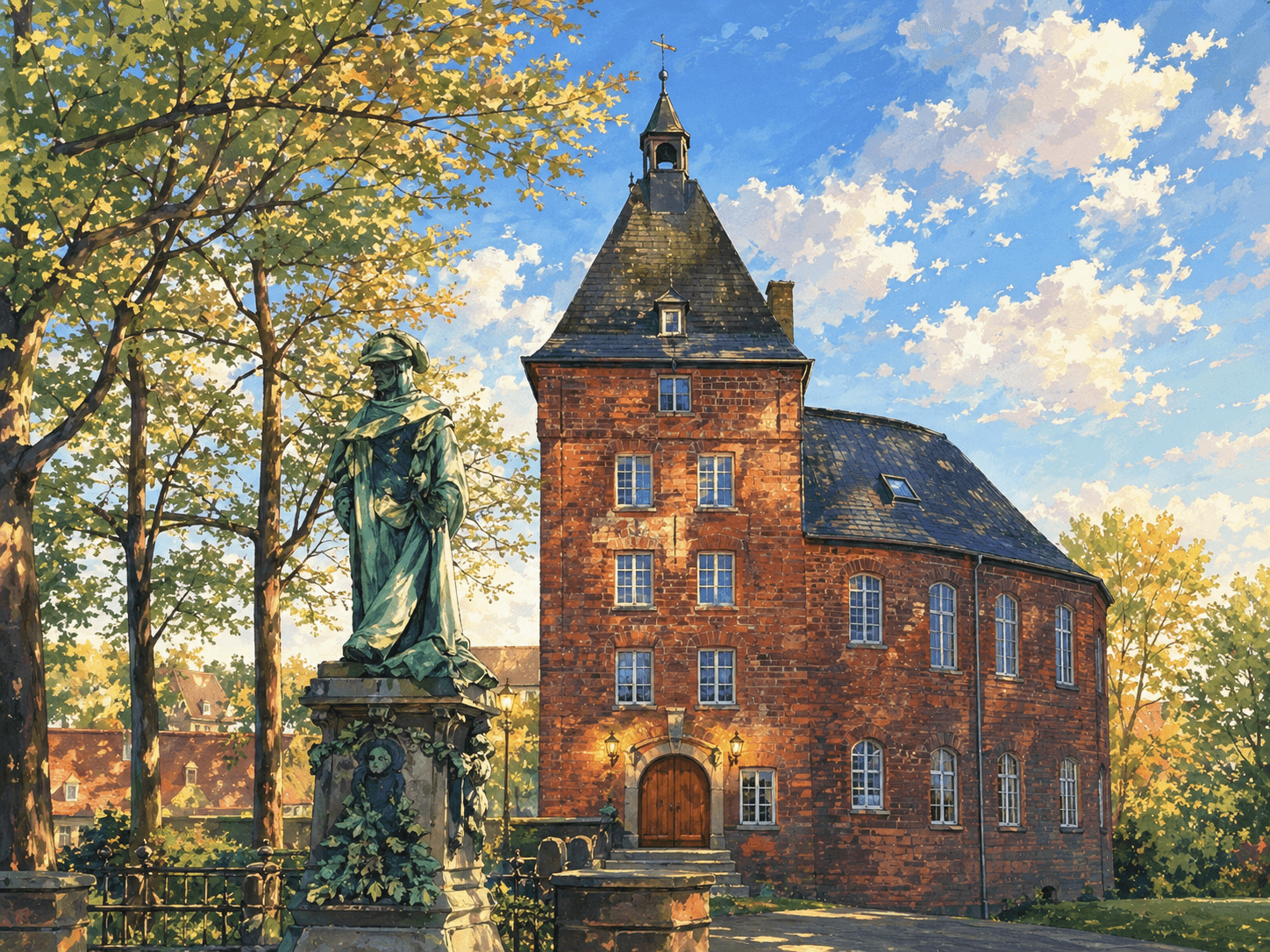
In March 2026, the city of Moers is focusing on governance and administration. Numerous citizen proposals, personnel restructuring, and gender equality measures show how the administration is responding to challenges – and which decisions are shaping the future.
Governance & Administration in Moers: Decision-Making Structures in March 2026
In March 2026, the city of Moers has made a range of decisions in the field of governance and administration that affect not only the structure of the administration but also directly and indirectly influence the citizens. The meetings of the committee for citizen proposals, as well as personnel development and gender equality measures, show how Moers is striving to govern transparently, citizen-oriented, and efficiently.
Citizen Proposals: From Reforestation to Power Outages
The March sessions of the citizen proposal committee brought numerous topics to the table that are both symbolic and practical in nature. For example, a citizen proposal for reforestation in Moers was adopted by a majority – the AfD voted against it – showing that environmental issues also play a role in political debates. Similarly, a proposal to reduce street lighting (turning off every second lamp) was unanimously approved, even though the administration had already explained in advance that this was technically not feasible. Nevertheless, the decision symbolizes the willingness to make compromises in the interest of energy savings.
Another highlight was the proposal to require digital communication channels such as chat histories and SMS messages to be sent to the city archive. While there are currently no such communication channels at the top level of the administration, the proposal shows the growing sensitivity to digital transparency and archiving.
Structural Changes in Department 5
In addition to citizen proposals, Moers has been intensively engaged in personnel and organizational development, particularly in Department 5 (Hazard Prevention, Fire Department, Emergency Services). The city plans a comprehensive reorganization, creating four main organizational units: operational and preventive hazard prevention, Volunteer Fire Department, and Administration.
In addition, a mixed shift model is being introduced to coordinate day and night shifts. This is particularly important for the Volunteer Fire Department – with over 300 volunteers. The restructuring aims to redistribute leadership tasks and increase the attractiveness of the work for volunteers.
Another focus is on the compliance of employment relationships with legal requirements. An external law firm specializing in administrative law has already begun reviewing the employment relationships at the emergency services school to ensure they meet legal requirements.
Equality as a Central Administrative Principle
In the field of equality, Moers has also presented concrete measures. The current share of women in management positions is 47% (as of June 30, 2025), which is an increase of about 2.3% compared to 2020. The goal is to raise the quota to 50% – a requirement derived from the North Rhine-Westphalia State Equality Act (LGG NRW).
Measures such as the priority for women in equally qualified candidates in underrepresented professions (e.g. caretakers, property managers) or the qualification program "In Zukunft führen (IZF)" contribute to actively advancing equality. In addition, in-house events are organized that address topics such as sexual harassment, mobbing and discrimination – an important signal for a respectful work environment.
Outlook: How Governance Shapes Moers
The decisions in March 2026 underline that governance in Moers is not merely a bureaucratic tool, but a central factor for the development of the city. The balance between citizen participation, personnel development and legal requirements is challenging – and Moers is becoming aware that transparency, equality and citizen-oriented politics are not only requirements, but also advantages for the future of the city.
In the coming months, it will be particularly interesting to observe how the restructuring of Department 5 is implemented and whether the equality targets are actually achieved. The city of Moers is at a turning point in March 2026 – and the decisions made now will shape the governance and administration of the city for many years.
NeoSearch analyses public council documents, committee minutes and municipal announcements. Source references appear automatically once verified meeting data is available.
What does this mean for businesses?
Town halls, fire stations, depots and administrative buildings create early construction and refurbishment opportunities. Following council agendas reveals projects before they go to tender.
Track similar decisions in your region
Set up monitoring for public buildings & administration in Nordrhein-Westfalen — prefilled from this article.
Set up monitoring →More signals from Moers
Moers: Urban Development and Construction Planning in April 2026 – Highlights and Challenges
In the April 2026 session, urban development, traffic, and infrastructure were at the center of attention in Moers. With plans for new workshops, traffic improvements, and sewer construction, the city is investing in long-term projects – yet not all initiatives received approval.
Read more → Moers April 2026 – Traffic, Budget and Planning in the Spotlight
In April 2026, Moers focused on decisions related to traffic, budget and urban planning. Here is a compact monthly review.
Read more → Governance in Moers: Transparent Access to Council Information
In the week of April 2026, the focus in Moers was on the digital transparency of the municipal administration. A new council information system promises greater accessibility for citizens, politicians, and administration. But how far has the implementation progressed, and what challenges remain?
Read more →