Urban Development in Cologne: Urban Change, Housing and Transport in January 2026
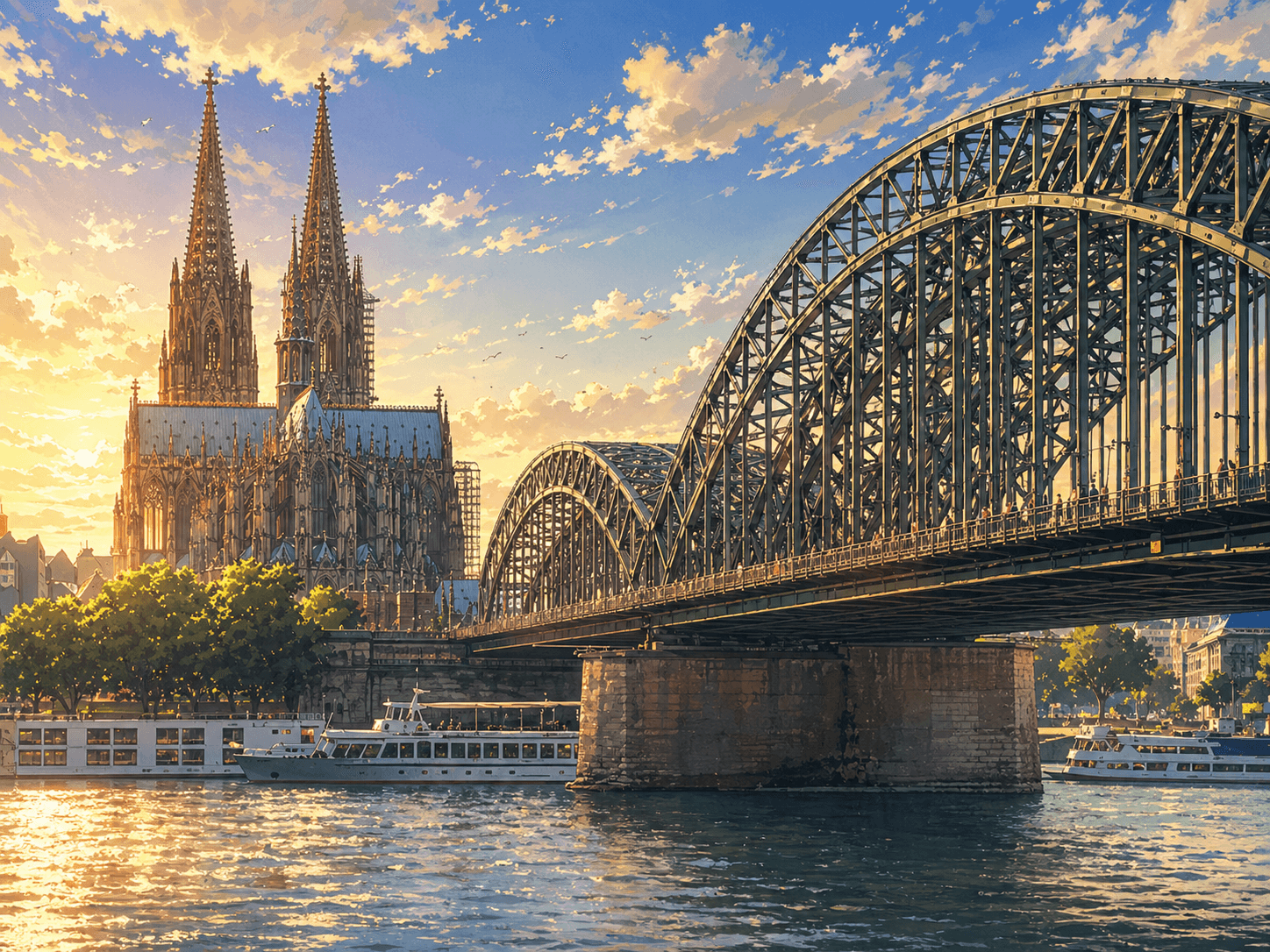
In January 2026, key urban development topics were in focus in Cologne: housing support, transport planning, and climate protection. Particular attention was given to the "Bau-Turbo" initiative, changes to zoning plans, and digital participation options.
Urban Development in Cologne: Housing, Transport and Climate in January 2026
Urban development in Cologne is shaped by a tension between housing shortages, traffic congestion and climate protection. In January 2026, decisions and initiatives were made that address these challenges – relying on innovation and civic engagement alike.
Bau-Turbo: Acceleration for Housing Construction
A central issue in the city council meetings was the introduction of the "Bau-Turbo" regulations under § 36a of the German Building Code (BauGB). The aim is to accelerate housing construction by delegating approvals for densification, conversion and height increases to the administration. Approval is considered granted if not denied within three months.
This process is especially intended for urban inner areas where demand for housing is high. Critics, however, fear it might lead to an overdevelopment of the urban landscape. At the same time, climate protection aspects are being considered: The regulation is subject to legal requirements and is part of the city's climate protection strategy.
Zoning Plans: Housing, Local Services and Culture
In January, several zoning procedures were decided or postponed, which will shape the urban space in a sustainable way:
Heinrichshofweg (Cologne-Fühlingen): A new residential district with complementary uses such as local services, care facilities and a daycare center is being planned. The CDU amendment proposal called for lower building density and increased citizen participation – concerns that have been incorporated into the planning.
Campus Colonius Nord: The project involves new construction with a maximum height of 96 meters and a gross floor area of 34,000 m². The design comes from the architectural firm Sauerbruch Hutton. Climate protection plays an important role here, as the demolition of existing buildings, some of which are contaminated with hazardous substances, is necessary.
GRÜNGÜRTEL Parkstadt Süd: This project focuses on the development of a green area with urban climate effects and is used for stormwater management. With a cost of around 75 million euros, it is one of the largest urban development projects in Cologne. The planning includes infiltration strips, a park lake, and an underground passage to the Rhine embankment.
Transport Planning: 30 km/h, Cycling and Digitization
In the field of mobility, there were also decisive impulses in January 2026:
The introduction of 30 km/h speed limits near kindergartens and schools is being actively promoted. For example, a 30 km/h zone was introduced in front of the kindergarten at Aachener Straße 1114 in Weiden. In addition, a green arrow for cyclists is being introduced at the intersection of Rhöndorfer Straße and Gottesweg.
The planning of the Rheinenergie-Stadion station has been initiated. With costs of up to 41.2 million euros (city share: 29.4 million euros), it is a building block of the tramway development. The start of construction is planned for 2029.
Digital participation is becoming a central part of urban planning. The newly introduced platform "Bauleitplanung Online" enables early and transparent citizen participation. It is already being used for projects such as the GRÜNGÜRTEL Parkstadt Süd and the Heinrichshofweg zoning plan.
Climate Protection and Green Spaces: Integration into Urban Development
The climate crisis is a central topic in urban development. In Cologne, climate protection is being actively integrated into construction projects:
The promotion of green spaces and trees is a priority. For example, a new off-leash dog area is being established in the August-Sander-Park. In addition, work is being done on the greening of public spaces – such as on Kaesenstraße, where traffic calming and greening are being planned.
In the context of the 5th Progress Report on Strategic Green Space Development, it is recorded how green space expansion and climate adaptation are progressing. The reports are publicly accessible and contribute to transparency.
Conclusion: A Year of Impulses for the Future
January 2026 marks a decisive step in the urban development of Cologne. With the introduction of the Bau-Turbo, the planning of new residential districts and the digitalization of citizen participation, the city is actively responding to the challenges of housing shortages, climate change and traffic adaptation. However, the long-term success of these measures also depends on how strongly citizens are involved in the processes and how sustainably the projects are implemented.
In the coming months, it will be interesting to observe the effects of these decisions on the climate, the quality of housing and the everyday lives of residents of Cologne.
NeoSearch analyses public council documents, committee minutes and municipal announcements. Source references appear automatically once verified meeting data is available.
What does this mean for businesses?
Urban development, zoning plans and commercial settlements create early construction and supply opportunities. Following council decisions reveals projects before they go to tender.
Track similar decisions in your region
Set up monitoring for economic development in Nordrhein-Westfalen — prefilled from this article.
Set up monitoring →More signals from Koeln
Youth Participation in Chorweiler: A New Approach for a Stronger Democratic Culture
In April 2026, the District Council of Chorweiler made important decisions regarding the establishment of a youth representation. The focus is on creating a structured and advisory form of youth participation – a step toward more actively involving young people in the city's political processes.
Read more → Education Policy in Cologne – What Was Decided in April 2026
In April 2026, Cologne's Committee for Schools and Further Education made several decisions that will shape the city's educational landscape in a lasting way. From the expansion of grammar schools, the reduction of primary school tracks, to new offerings at the music school – here is a detailed analysis.
Read more → Governance Developments in Cologne: April 2026 in Focus
In April 2026, Cologne was marked by numerous decisions in the areas of governance and administration. From municipal heat planning to administrative procedures and the revision of rules of procedure – the city emphasized transparency, citizen-oriented action, and long-term planning.
Read more →