Cologne Cultural Policy in March 2026: From Heritage to the Future of Cultural Education
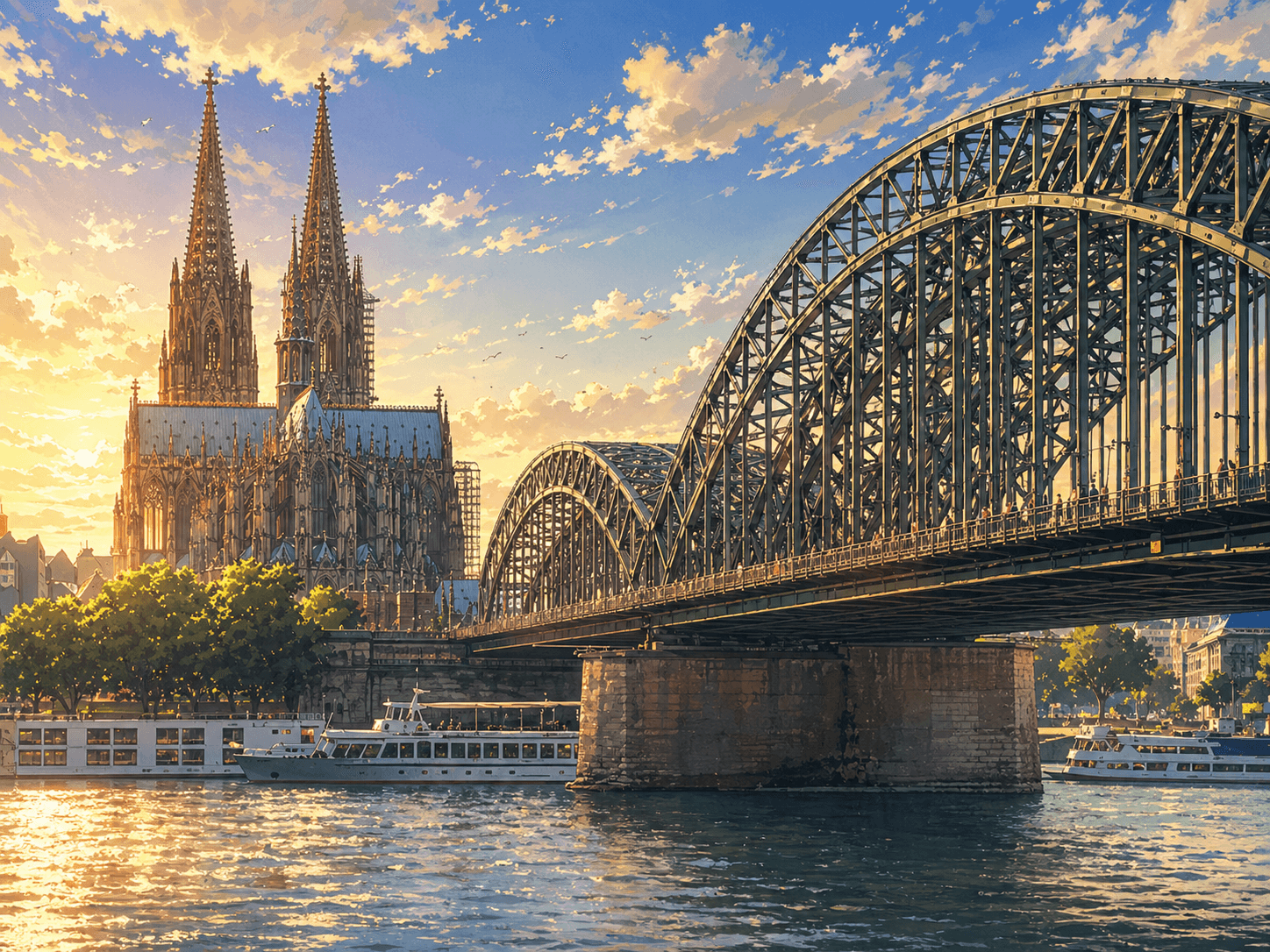
In March 2026, Cologne saw numerous cultural policy decisions and discussions that addressed both the preservation of historical heritage and the future of cultural education and promotion. The focus was on securing Roman monuments, combating sexism in the cultural scene, and developing structures for cultural education.
Cologne Cultural Policy: Historical Roots and Modern Challenges
Cologne consistently advocates in cultural policy for the consideration of both historical traditions and societal developments. March 2026 was marked by a multitude of decisions and debates focusing on cultural infrastructure, support, education, and equality. Particularly notable was the parallel engagement with the preservation of Roman heritage and the shaping of an inclusive, violence-free cultural scene.
Cultural Policy Highlights: Preserving the Heritage, Shaping the Future
In March 2026, the Committee for Art and Culture approved a proposal to document and visualize all Roman archaeological sites in Cologne. The goal is to prepare for the anniversary "2000 Years of City Rights Cologne" in 2050. The list of monuments will be presented in tabular and cartographic form to make it accessible to the public. This step is a central element for the city's memory culture and its tourist presentation.
At the same time, new challenges were also in the foreground: The discussion on "No Room for Sexism and Abuse of Power in Cultural Funding" was continued intensively. The committee discussed proposals for the development of clear standards, training, and protection concepts for municipal cultural institutions. The aim is to make cultural funding more transparent and secure. Another proposal aimed to extend such measures to city-owned enterprises and freelance staff.
Cultural Education: From the Platform to Practice
Another central topic was cultural education. The Municipal Fund for Cultural Education (KuBiK) 2026 was approved in the amount of 100,000 euros, with 52 projects submitted in total funding of 430,500 euros. The jury selected projects based on criteria such as social relevance, innovation, and sustainability. Particularly noteworthy is the increasing demand for long-term funding, indicating a growing awareness of cultural education in the city.
In addition, discussions took place on how to strengthen the Coordination Office for Cultural Education as a permanent interface between the departments of "Art and Culture" and "Youth and Education". Proposals for the development of a digital platform that clearly presents offers from the independent scene and institutions were taken up. The platform "Musenkuss" was mentioned as a model, with a restructuring and improved reach being aimed for.
Cultural Infrastructure: Museums, Stages and Archives
In the field of cultural infrastructure, the general restoration of the Wallraf-Richartz Museum was a central topic. The Operations Committee dealt with the status of the new building and renovation. In addition, reports were presented on the renovation of the Bühnen Köln, including quarterly reports and the program for the 2026/27 season. The discussion on the new orientation of the depot in Mülheim as a cooperation house for the independent scene was seen as a milestone for the future of cultural infrastructure.
The restoration of historical documents in the Historical Archive was also on the agenda. Approximately 246 documents are to be restored and digitized over a period of two years. The cost of the measure is over 225,000 euros, with the city of Cologne drawing on a reserve. The goal is to make the heritage accessible to the public and to protect it in the long term.
Outlook: From Planning to Implementation
The decisions of March 2026 show that Cologne is consciously aligning itself with a cultural future that is based on both heritage and innovation. The discussions on sexism, cultural education, and infrastructure are not only politically relevant, but also socially necessary. The city is counting on broad participation, from the independent cultural scene to museums and schools. The next steps will show whether these political guidelines can be sustainably implemented in practice—and whether Cologne can establish itself as a pioneer in cultural policy.
NeoSearch analyses public council documents, committee minutes and municipal announcements. Source references appear automatically once verified meeting data is available.
What does this mean for businesses?
Municipal council decisions are early indicators: following the council agenda surfaces projects and tenders months before the official award — before they ever reach the procurement portals.
Track similar decisions in your region
Set up monitoring for Culture and Community in Nordrhein-Westfalen — prefilled from this article.
Set up monitoring →More signals from Koeln
Youth Participation in Chorweiler: A New Approach for a Stronger Democratic Culture
In April 2026, the District Council of Chorweiler made important decisions regarding the establishment of a youth representation. The focus is on creating a structured and advisory form of youth participation – a step toward more actively involving young people in the city's political processes.
Read more → Education Policy in Cologne – What Was Decided in April 2026
In April 2026, Cologne's Committee for Schools and Further Education made several decisions that will shape the city's educational landscape in a lasting way. From the expansion of grammar schools, the reduction of primary school tracks, to new offerings at the music school – here is a detailed analysis.
Read more → Governance Developments in Cologne: April 2026 in Focus
In April 2026, Cologne was marked by numerous decisions in the areas of governance and administration. From municipal heat planning to administrative procedures and the revision of rules of procedure – the city emphasized transparency, citizen-oriented action, and long-term planning.
Read more →