Mobility in Cologne in January 2026: Cycling, Public Transport and Climate Protection in Focus
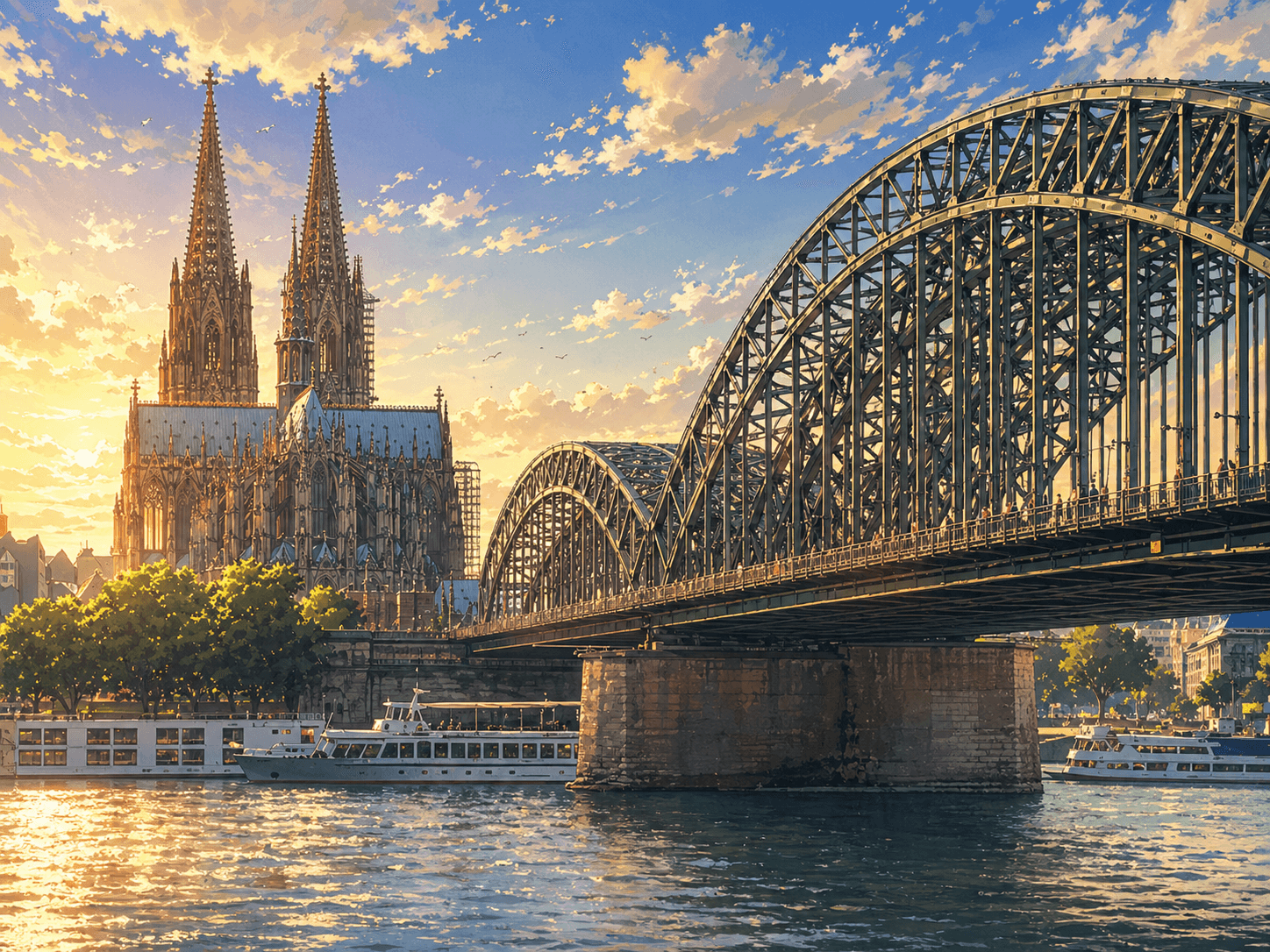
In January 2026, important decisions and planning measures in the field of mobility were at the forefront in Cologne. From the microsimulation for the Mülheimer Bridge to the renewal of tram vehicles and climate protection measures – the blog provides a comprehensive overview.
Mobility in Cologne: From the Mülheimer Bridge to the Tram
The mobility situation in Cologne has increasingly come to the focus of political and planning decisions in recent years. In January 2026, several relevant meetings and decisions took place that will influence the traffic flow, infrastructure, and the climate-friendly future of the city. Particular attention should be paid to the discussions on cycle traffic, the modernization of public transport (ÖPNV) and climate protection policy.
Microsimulation on the Mülheimer Bridge: A Central Traffic Junction in Transition
The Mülheimer Bridge is one of the most important traffic junctions in Cologne. In January 2026, a microsimulation was approved to assess the effects of a possible change in motor vehicle traffic. Two scenarios are being examined: a two-lane and a single-lane traffic system in each direction. The bridge is also an important node for cycling, and the simulation will also analyze the effects on the load of cycle traffic.
Financially, the project is budgeted at 110,000 euros, and the microsimulation is planned for the fourth quarter of 2027. The implementation of new traffic regulations could not take place before 2028. The microsimulation is part of the city's long-term strategy to use traffic space more efficiently while at the same time promoting climate protection.
Modernization of Public Transport: New Tram Vehicles and Capacity Expansions
Another focus was the modernization of public transport. The Cologne Transport Company (KVB) plans to acquire 69 low-floor tram vehicles of the K4500 series. The financing is provided through shareholder loans amounting to 364 million euros. The delivery of the vehicles is planned from the first quarter of 2031, and there is also an option for 44 additional vehicles.
In addition, a capacity expansion at the Rheinenergie-Stadion stop was decided. With costs of 41.2 million euros (excluding subsidies), the planning including platforms, ramps, lifts and technical buildings is underway. The tender is scheduled for the first quarter of 2026, and the construction decision is planned for 2028.
These investments are important to meet the growing number of passengers and to make public transport more attractive and barrier-free.
Climate Protection: Cycling and Infrastructure Development as a Key
Climate protection is a central aspect of mobility planning in Cologne. The city is increasingly focusing on the expansion of cycling to reduce greenhouse gas emissions. The microsimulation on the Mülheimer Bridge and the renewal of protective facilities along the Industriestraße contribute to increasing the safety and attractiveness of cycling.
Another pilot project, the KVB cargo bike rental, was evaluated and noted. Such initiatives not only promote climate-friendly transport, but also mobility in urban districts. In addition, the expansion of bike boxes and the creation of secure bike parking spaces in various districts are being discussed.
Conclusion: Mobility in Cologne in Transition
Mobility planning in Cologne in January 2026 is characterized by a clear orientation towards sustainability, efficiency, and climate protection. The microsimulation on the Mülheimer Bridge, the renewal of the tram vehicles and the expansion of cycling show how the city is responding to the challenges of the future. At the same time, political discussions and decision-making processes remain crucial to balance the different interests and shape a livable, climate-friendly city.
NeoSearch analyses public council documents, committee minutes and municipal announcements. Source references appear automatically once verified meeting data is available.
What does this mean for businesses?
Municipal council decisions are early indicators: following the council agenda surfaces projects and tenders months before the official award — before they ever reach the procurement portals.
Track similar decisions in your region
Set up monitoring for kommunale Projekte in Nordrhein-Westfalen — prefilled from this article.
Set up monitoring →More signals from Koeln
Youth Participation in Chorweiler: A New Approach for a Stronger Democratic Culture
In April 2026, the District Council of Chorweiler made important decisions regarding the establishment of a youth representation. The focus is on creating a structured and advisory form of youth participation – a step toward more actively involving young people in the city's political processes.
Read more → Education Policy in Cologne – What Was Decided in April 2026
In April 2026, Cologne's Committee for Schools and Further Education made several decisions that will shape the city's educational landscape in a lasting way. From the expansion of grammar schools, the reduction of primary school tracks, to new offerings at the music school – here is a detailed analysis.
Read more → Governance Developments in Cologne: April 2026 in Focus
In April 2026, Cologne was marked by numerous decisions in the areas of governance and administration. From municipal heat planning to administrative procedures and the revision of rules of procedure – the city emphasized transparency, citizen-oriented action, and long-term planning.
Read more →