Governance Developments in Cologne: April 2026 in Focus
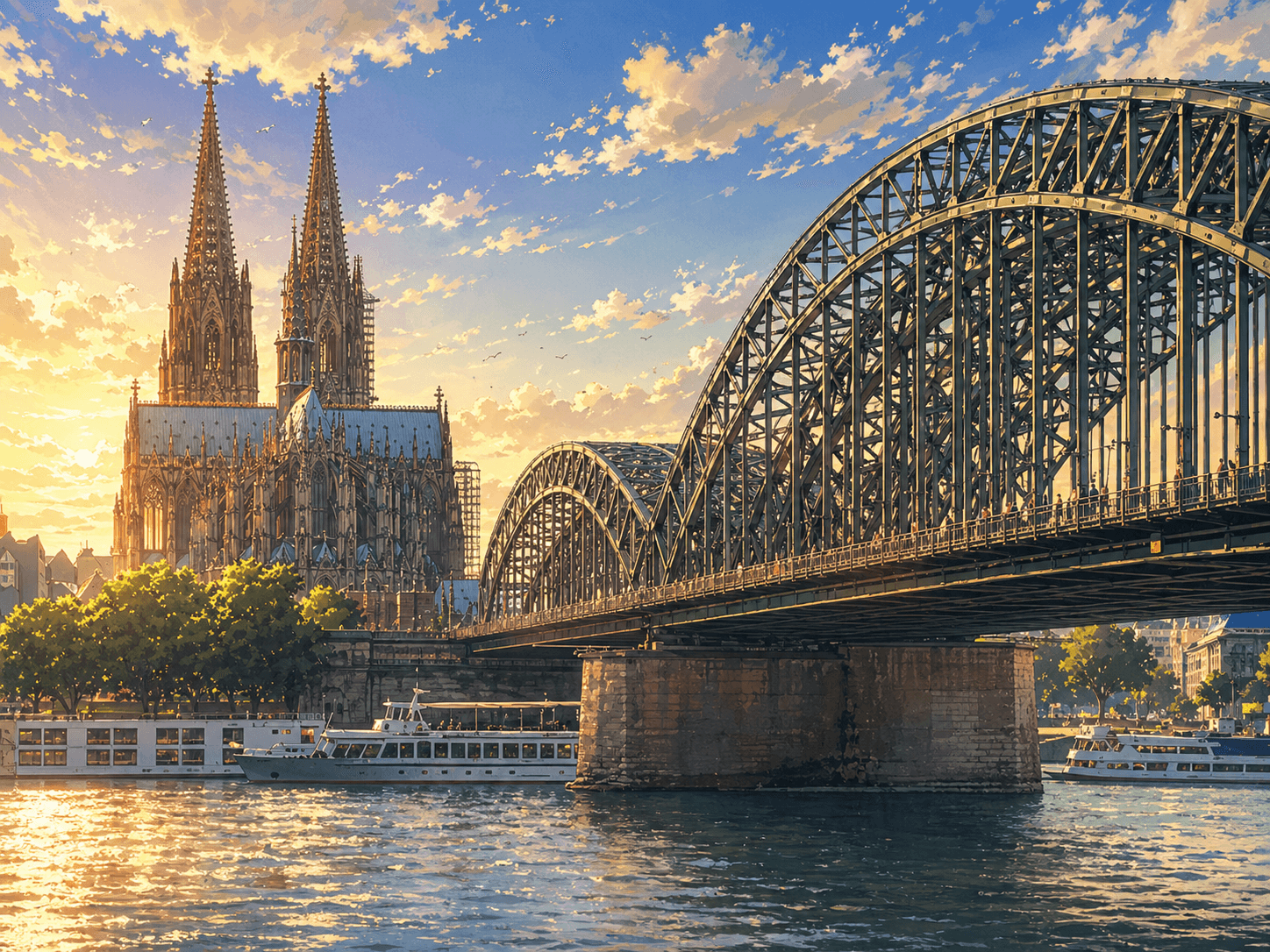
In April 2026, Cologne was marked by numerous decisions in the areas of governance and administration. From municipal heat planning to administrative procedures and the revision of rules of procedure – the city emphasized transparency, citizen-oriented action, and long-term planning.
Governance in April 2026: Structural Changes and Citizen-Oriented Decisions
In April 2026, the city of Cologne focused intensively on governance and administrative topics. Numerous meetings, motions, and decisions illustrate how local politics in the region is becoming more active in advancing administrative structures and civic participation. Particularly noteworthy are the developments in the field of municipal heat planning, rules of procedure, and administrative processes.
Municipal Heat Planning as a Milestone
One of the central decisions in the month was the adoption of the Municipal Heat Plan (Kommunale Wärmeplanung, KWP) by the City Council. According to §23 of the Heat Planning Act (Wärmeplanungsgesetz, WPG), the plan was acknowledged and officially adopted. This marks an important step toward more climate-friendly energy policy in Cologne.
In addition, the District Committee Mülheim recommended the appointment of six additional members to the Standing Jury Mülheimer Süden, including renowned personalities such as Prof. Jörn Walter and Rebekka Junge. The jury serves as a central advisor for urban development projects and will continue its work until 2025. This decision underlines the willingness to include expert knowledge in municipal planning processes.
Administration and Process Optimization
In the area of administrative processes, several significant developments took place. The rules of procedure of the Integration Council were revised after the name of the committee was changed to "Committee for Equal Opportunities and Integration." This revised version emphasizes the focus on equality and inclusion.
Another key focus was the digital transformation of procedures. A motion to introduce live-streaming of council meetings was rejected, indicating resistance to greater openness of committees. At the same time, digital announcements and electronic tools for vote counting in postal voting were further developed – a step toward more efficient yet citizen-oriented administration.
Urgent Decisions and Citizen Participation
In April, several urgent motions were addressed, including the dismantling of the bridge at "Am Flachsrosterweg" in the district of Mülheim. A total investment of 1.066 million euros was approved for the temporary bridge and dismantling, finding a compromise between safety and cost needs. The decision was passed unanimously, with only Die Linke and Volt abstaining.
Citizen participation remained a central issue as well. Numerous proposals were publicly discussed, including topics such as greening the Dellbrücker Hauptstraße or securing open spaces like the Carlsgarten. The urgent motion to preserve the Carlsgarten as a habitat and identity-forming space was passed by a majority – AfD and KSG voted against it.
Financial Decisions and Funding
In the financial area, the city focused on targeted funding. In Mülheim, a total of 193,299 euros was granted to civic associations and 4,960 euros in cultural funds. This shows how the city actively supports civic engagement and cultural diversity.
In addition, investment payments amounting to 175,915 euros were made, supporting projects in the areas of leisure, culture, and infrastructure. The budget was strictly managed in accordance with the principles of municipal law, ensuring the city's financial stability.
Outlook: Governance as a Key Field
April 2026 has shown that governance and administration in Cologne are not only seen as technical areas but as central elements of political culture. The city uses committees, citizen participation, and expertise to make transparent and citizen-oriented decisions.
In the future, it will be crucial how these structures are further developed – particularly in terms of digital processes, participation formats, and the inclusion of minorities. The decisions of April 2026 are an indicator that Cologne is ready to actively shape administration and governance – not only for the present, but also for the challenges of the future.
NeoSearch analyses public council documents, committee minutes and municipal announcements. Source references appear automatically once verified meeting data is available.
What does this mean for businesses?
Town halls, fire stations, depots and administrative buildings create early construction and refurbishment opportunities. Following council agendas reveals projects before they go to tender.
Track similar decisions in your region
Set up monitoring for public buildings & administration in Nordrhein-Westfalen — prefilled from this article.
Set up monitoring →More signals from Koeln
Youth Participation in Chorweiler: A New Approach for a Stronger Democratic Culture
In April 2026, the District Council of Chorweiler made important decisions regarding the establishment of a youth representation. The focus is on creating a structured and advisory form of youth participation – a step toward more actively involving young people in the city's political processes.
Read more → Education Policy in Cologne – What Was Decided in April 2026
In April 2026, Cologne's Committee for Schools and Further Education made several decisions that will shape the city's educational landscape in a lasting way. From the expansion of grammar schools, the reduction of primary school tracks, to new offerings at the music school – here is a detailed analysis.
Read more → Cologne Sports Committee Focuses on Emergency Training and Olympic Visions in April 2026
In April 2026, the Cologne Sports Committee focused on two central topics: training athletes as emergency heroes and the city's current bid for the Olympic and Paralympic Games. These decisions demonstrate how Cologne is redefining its role as a sports metropolis.
Read more →