Mobility in Cologne: Expansion of the Light Rail, 30 km/h Zones, and More Sustainability
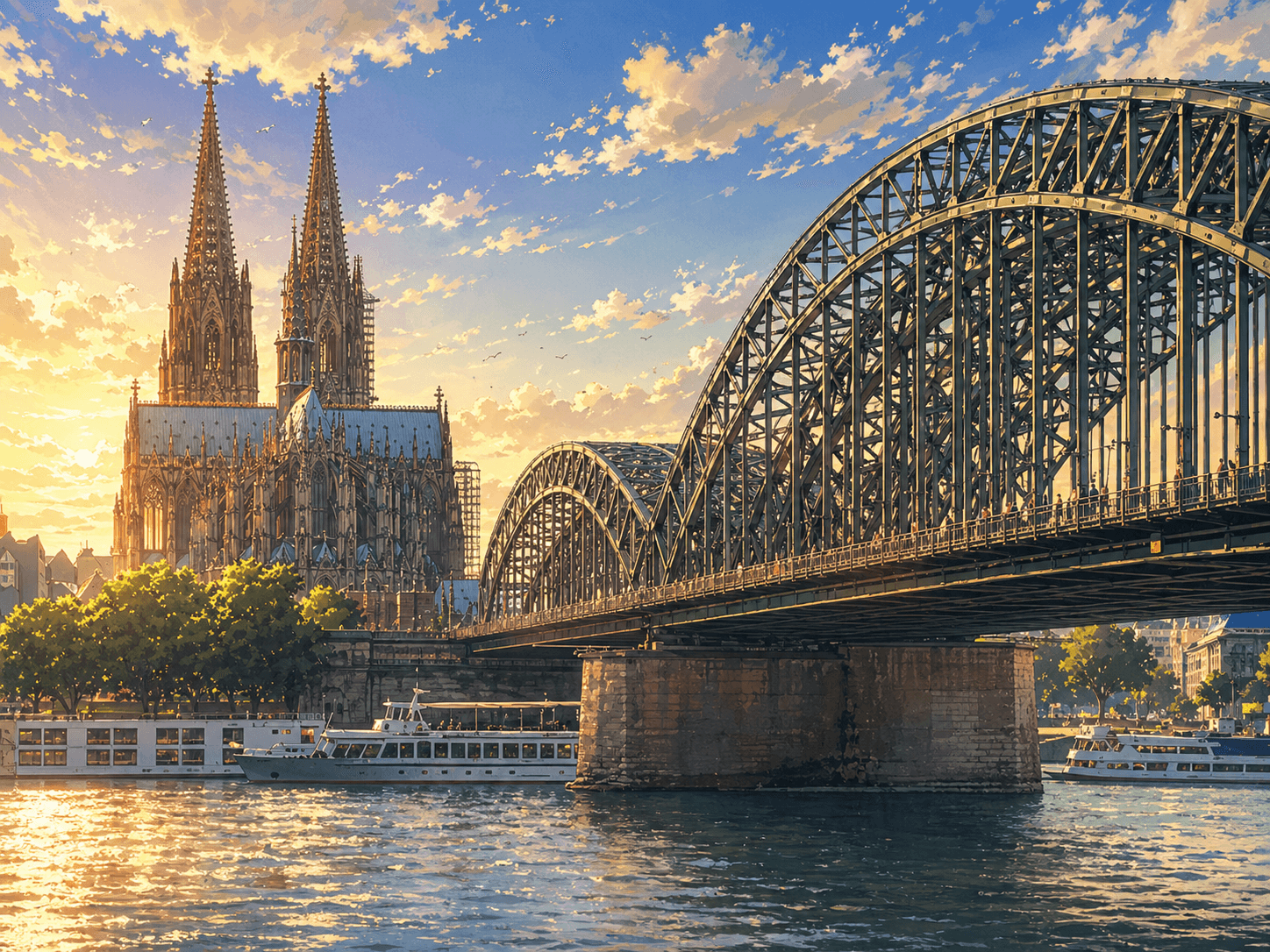
In March 2026, the Cologne City Council addressed key mobility topics. From the expansion of the light rail to the trial of 30 km/h zones – here is an analysis of the most important decisions.
Mobility in Cologne: Expansion of the Light Rail, 30 km/h Zones, and More Sustainability
The topic of mobility is gaining increasing importance in Cologne's politics. Especially in a growing city like Cologne, which faces challenges such as traffic flow, environmental pollution, and accessibility, clear decisions are needed. In March 2026, several projects and measures were initiated that could influence the city's traffic situation both in the short and long term.
Light Rail Expansion: Focus on the Rheinenergie Stadium
A central issue in the March sessions was the expansion of the light rail stop at Rheinenergie Stadium. The city decided to prepare the stop for the deployment of 90-meter-long light rail vehicles, but exclusively for special traffic. This step is part of the East-West Axis, a central project aimed at expanding the capacity of Cologne's public transport.
The planning includes the construction or extension of platforms, barrier-free access via a bridge structure with ramps and elevators, as well as the renovation of KVB's technical and waiting buildings. The total costs for planning and later construction amount to 41.2 million euros, with the city contributing 29.4 million euros.
The preliminary planning is scheduled for 2026, the construction decision for 2028. The actual construction work is to begin in 2029. This shows that the expansion remains a long-term project that will not yield immediate results. Nevertheless, it is a decisive step to increase the capacity of public transport and to offer passengers more comfort and safety.
30 km/h on Salzburger Weg: Trial for More Safety
Another important topic was the trial of a 30 km/h speed limit on Salzburger Weg. This measure is part of a broader trend to slow down traffic in urban areas to increase safety for pedestrians and cyclists. At the same time, noise pollution and exhaust emissions are to be reduced.
The three-month trial is a pilot project that is also being closely observed politically. A citizen initiative is already calling for the 30 km/h zone to be extended to the entire Salzburger Weg. The city is also examining whether the curbs at intersecting streets can be lowered to increase safety when crossing the road.
This measure shows that the city is ready to implement pilot projects to improve the traffic situation – as long as they are supported by public pressure or clear benefits.
Low Line & Hybrid Park: Sustainability in the West City
Another project discussed in the March meeting was the Hybrid Park as part of the Low Line in the West City. This project connects pedestrian and cycling traffic, integrates green areas, and contributes to climate protection. It is part of a comprehensive sustainability strategy that Cologne wants to implement in the coming years.
The city has already allocated 33,000 euros for the design planning and wants to examine which funding programs could be applicable to the project. The design includes tree rows along the paths and barrier-free access. The Hybrid Park is not only a traffic corridor but also a green lung in the middle of the city.
Housing Construction Acceleration: Speed with Climate Costs
In the context of mobility, the so-called "Housing Construction Acceleration" is also relevant. This program, based on § 246e of the German Building Code (BauGB), accelerates the approval process for housing construction projects through densification, heightening, or conversion. The goal is to reduce the housing shortage, but there is also criticism of potential negative climate protection effects, such as increased CO₂ emissions.
The city has set a position that the approval of the municipality is considered granted if it is not denied within three months. This increases efficiency but also carries the risk that important environmental factors may not be sufficiently considered.
The administration is obligated to report after one year on the experiences gained with the program and to make possible suggestions for adjustments. This is a good approach to align the Housing Construction Acceleration with climate goals.
Conclusion: Mobility as a Key Topic for Cologne's Future
The March meetings have shown that mobility in Cologne remains a multifaceted topic. On the one hand, infrastructure is being developed – with investments in light rail, 30 km/h zones, and green traffic corridors. On the other hand, political and legal decisions are also in focus, such as the Housing Construction Acceleration, which aims to speed up urban planning but also brings challenges.
Cologne is moving toward a more sustainable, barrier-free, and safer traffic policy. However, for many measures, such as the expansion of the light rail, it will still take some time before they become noticeable. In the meantime, it remains important to evaluate pilot projects such as 30 km/h zones or the Low Line and to adapt them if necessary.
The coming months will show whether the political decisions made in March 2026 will deliver what they promise in practice. One thing is already clear: mobility is a central building block for future growth and quality of life in Cologne.
NeoSearch analyses public council documents, committee minutes and municipal announcements. Source references appear automatically once verified meeting data is available.
What does this mean for businesses?
Schools, daycare centres and public buildings create early planning and construction opportunities. Following council agendas surfaces tenders for refurbishment, new builds and fit-out months before the official award — from shell construction to specialist planning to furnishing.
Track similar decisions in your region
Set up monitoring for education & public facilities in Nordrhein-Westfalen — prefilled from this article.
Set up monitoring →More signals from Koeln
Youth Participation in Chorweiler: A New Approach for a Stronger Democratic Culture
In April 2026, the District Council of Chorweiler made important decisions regarding the establishment of a youth representation. The focus is on creating a structured and advisory form of youth participation – a step toward more actively involving young people in the city's political processes.
Read more → Education Policy in Cologne – What Was Decided in April 2026
In April 2026, Cologne's Committee for Schools and Further Education made several decisions that will shape the city's educational landscape in a lasting way. From the expansion of grammar schools, the reduction of primary school tracks, to new offerings at the music school – here is a detailed analysis.
Read more → Governance Developments in Cologne: April 2026 in Focus
In April 2026, Cologne was marked by numerous decisions in the areas of governance and administration. From municipal heat planning to administrative procedures and the revision of rules of procedure – the city emphasized transparency, citizen-oriented action, and long-term planning.
Read more →