Cologne's Climate Protection in Action: March 2026 in Focus
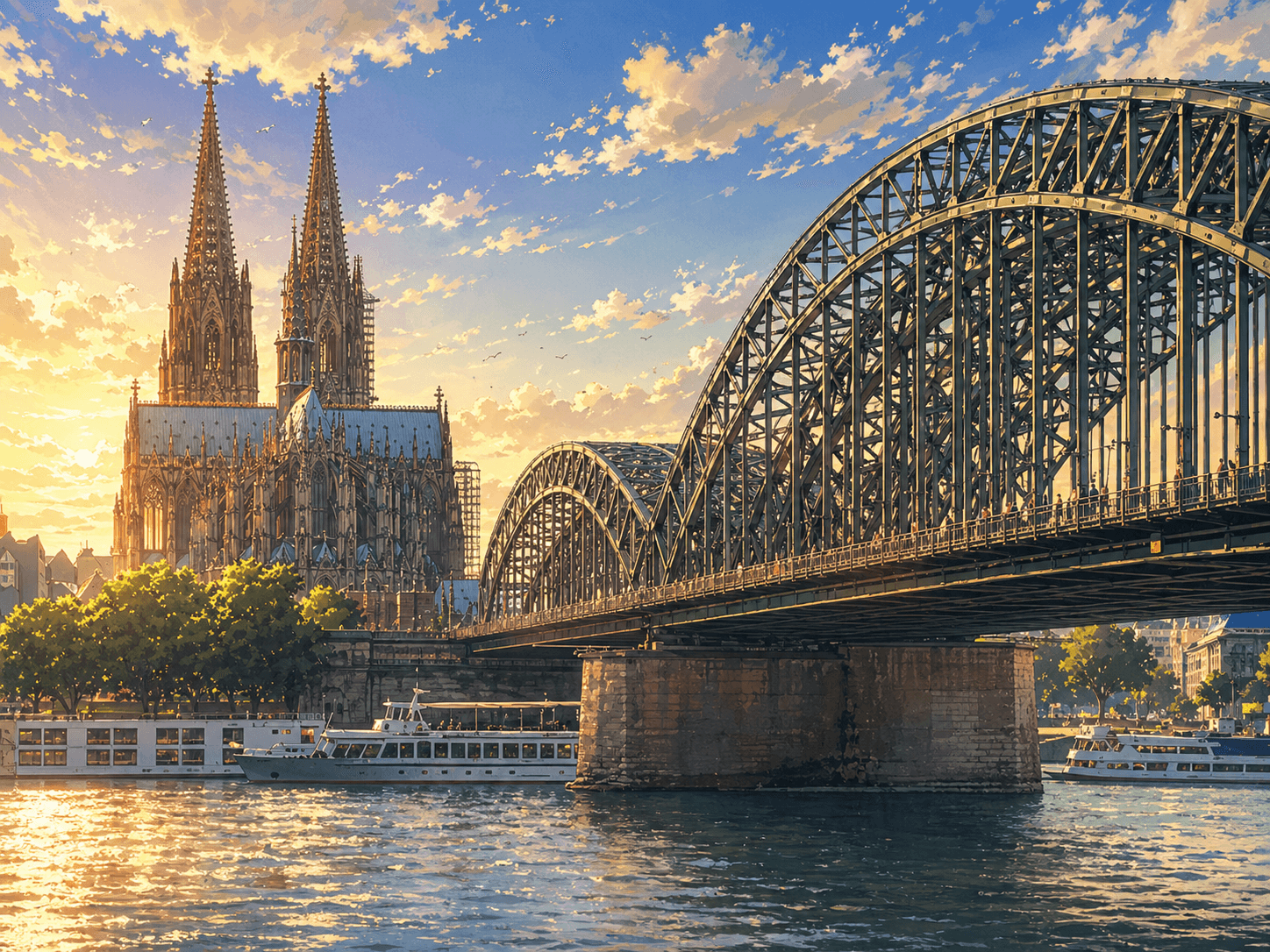
In March 2026, the city of Cologne set key milestones for its climate protection strategy in several areas. The focus was on municipal heat planning, the creation of green spaces, the protection of natural monuments, and the adaptation of traffic planning to climate challenges.
Climate Protection in Action: Cologne's Climate Policy in March 2026
The city of Cologne has positioned itself as a pioneer in climate protection in recent years. In March 2026, it set key milestones with a range of decisions and projects that further pave the way toward climate neutrality by 2035. The strategic measures range from heat planning and nature conservation to traffic measures that reduce noise pollution and strengthen climate protection. Here is an analysis of the most important developments.
Municipal Heat Planning: The Key to Decarbonization
Municipal heat planning (KWP) is a central component of Cologne's climate protection strategy. In the session of the Committee for Climate, Environment and Green Spaces, the KWP was adopted, aiming for climate neutrality in the city's heating supply by 2045. The planning analyzes existing heat sources such as natural gas, heating oil, district heating, and biomass, and identifies potential for a comprehensive switch to renewable energy sources.
The implementation strategy includes 19 measures organized in three bundles: Municipal shaping of the heat transition, districts and heat networks, and participation and involvement. A central project is the large-scale river water heat pump in Niehl, which is intended to decarbonize district heating production. RheinEnergie and RheinNetz plan investments in the electricity and heat infrastructure to achieve climate goals.
The heat plan has been completed and submitted to the State Office for Nature, Environment and Climate. It will be implemented progressively from 2026, with the municipality working closely with energy suppliers and investors.
Nature Conservation and Trees: Protected Objects and Compensation Measures
The city of Cologne has also been active in nature conservation policy. The new version of the Natural Monument Protection Ordinance was adopted, with 203 protected objects (including 163 individual trees, 33 ensembles, and 7 avenues/rows) now under protection. The number of protected trees increased from 838 (2002) to 939 (2025), representing a 12% increase.
Another focus was the preservation of particularly protected trees. 35% of compensation payments for felled trees are allocated to the preservation of such trees, thus creating a financial incentive for their protection.
In addition, the nature conservation area "Auf dem Dreißiger" was newly designated. It covers 9.2 hectares to the west of the Rhine and is intended to protect FFH species such as the moor frog and midwife toad. The measure was well received, especially by nature conservation organizations such as BUND and NABU. Expectations include small-scale climatic benefits such as cooling and increased biodiversity.
Project "Abpflastern" and Green Space Development
The city of Cologne is participating in the nationwide competition "Abpflastern" to convert sealed areas into green spaces. The goal is to increase biodiversity, promote climate protection, and design urban development in a sustainable way. A guideline for de-sealing and planting with native plants is being developed, and publicity campaigns are planned to raise public awareness.
Another focus is on strategic green space development, with the fifth status report published in 2025. The goal is to protect, expand, and improve green spaces. Measures such as the maintenance of raised beds, planting with drought-resistant vegetation, and the development of green space patronage programs are part of the strategy.
Traffic and Noise Protection: 30 km/h Zones and Bicycle Streets
In the traffic sector, Cologne implemented several measures that strengthen both climate protection and noise protection. A 30 km/h zone was introduced in the Rheinuferstraße and other areas to reduce noise pollution and at the same time increase the safety of pedestrians and cyclists. In the Kaesenstraße, the 30 km/h zone was converted into a bicycle zone, eliminating the right-turning traffic and reducing traffic load.
Another focus was on the development of bicycle streets. In the Mechtildisstraße, a bicycle street was established, which is part of the connection between the city center, Südstadt, and Bayenthal. The measure has positive climate protection effects and is part of the city's bicycle traffic concept.
Outlook: Climate Neutrality 2035 Within Reach
The measures adopted by Cologne in March 2026 show that the city is on a good path toward climate neutrality by 2035. Municipal heat planning is a decisive step to advance the decarbonization of the heating supply. At the same time, the protection of trees and green spaces is being strengthened, which not only provides ecological benefits but also contributes to the improvement of the urban climate.
Traffic policy is climate protection-oriented, with 30 km/h zones and bicycle streets that reduce noise pollution and at the same time reduce CO₂ emissions. The implementation of the measures will be crucial in the coming months to achieve the climate goals by 2035.
NeoSearch analyses public council documents, committee minutes and municipal announcements. Source references appear automatically once verified meeting data is available.
What does this mean for businesses?
Municipal heat planning, photovoltaics and climate measures create early project indicators. Following council decisions surfaces sites and tenders before they are publicly advertised.
Track similar decisions in your region
Set up monitoring for environment & climate in Nordrhein-Westfalen — prefilled from this article.
Set up monitoring →More signals from Koeln
Youth Participation in Chorweiler: A New Approach for a Stronger Democratic Culture
In April 2026, the District Council of Chorweiler made important decisions regarding the establishment of a youth representation. The focus is on creating a structured and advisory form of youth participation – a step toward more actively involving young people in the city's political processes.
Read more → Education Policy in Cologne – What Was Decided in April 2026
In April 2026, Cologne's Committee for Schools and Further Education made several decisions that will shape the city's educational landscape in a lasting way. From the expansion of grammar schools, the reduction of primary school tracks, to new offerings at the music school – here is a detailed analysis.
Read more → Governance Developments in Cologne: April 2026 in Focus
In April 2026, Cologne was marked by numerous decisions in the areas of governance and administration. From municipal heat planning to administrative procedures and the revision of rules of procedure – the city emphasized transparency, citizen-oriented action, and long-term planning.
Read more →