Climate Protection in Cologne: New Waste Policy and Green Development in Focus
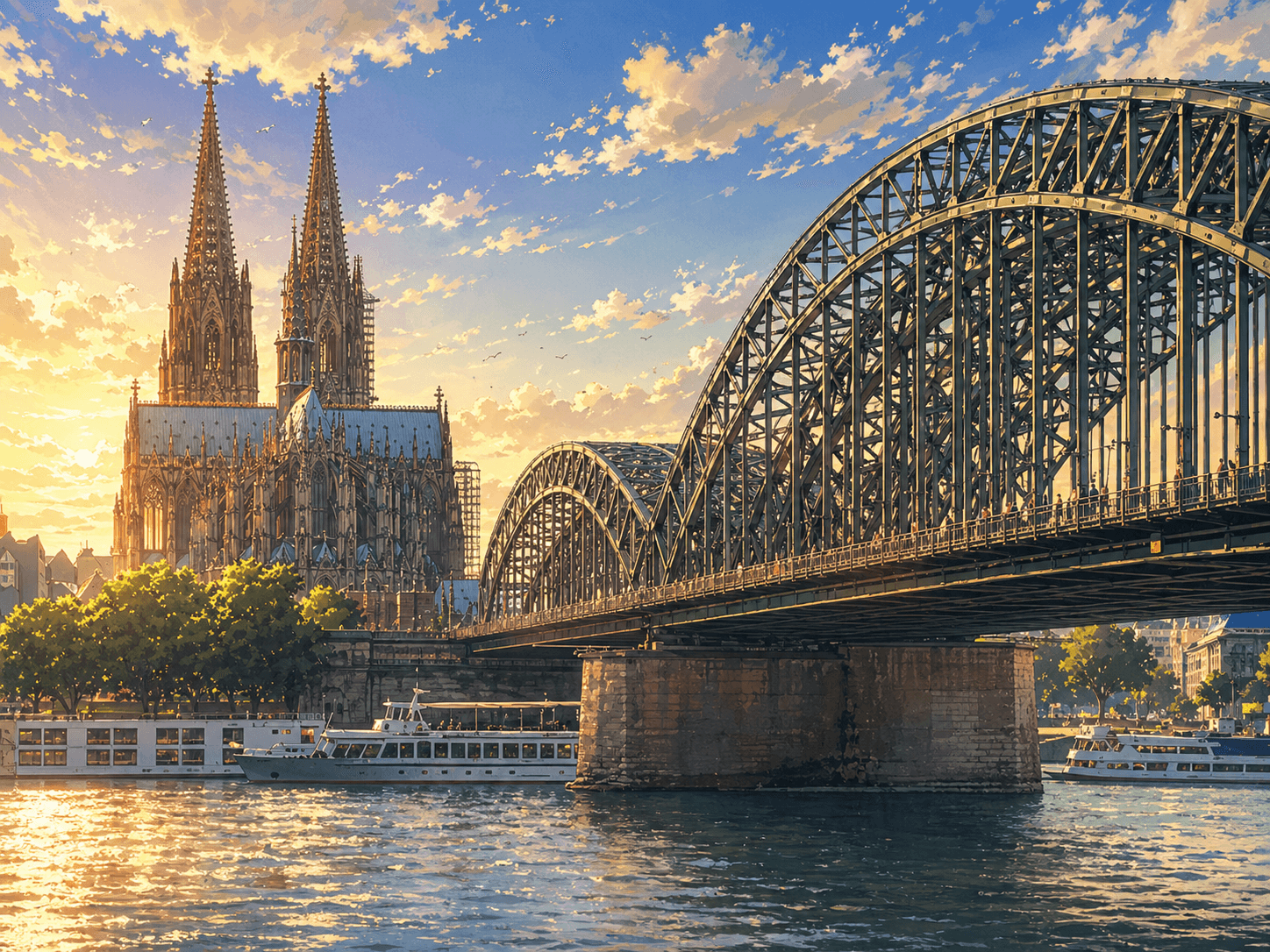
In January 2026, the city of Cologne set important milestones in its climate and environmental policy. The amendment to the waste disposal ordinance and the discussions in the Climate, Environment and Green Committee illustrate how climate neutrality by 2035 is being implemented step by step.
Climate and Environmental Policy in Cologne: Waste Reform and Green Planning in January 2026
In January 2026, the city of Cologne set important milestones in its climate protection strategy. With the reform of the waste disposal ordinance and the intensive discussion on green infrastructure, peatlands, light pollution, and urban forests, Cologne reinforced its role as a pioneer in climate policy. The goal remains clear: climate neutrality by 2035.
Reform of the Waste Disposal Ordinance: Circular Economy in Practice
In January 2026, the city of Cologne amended the Waste Disposal Ordinance 2026 to more effectively implement the principles of the circular economy. The Waste Management Committee approved the reform unanimously, with the exception of the votes from the Die Linke faction. The changes include, among other things:
- Underground containers for recyclables and lightweight packaging with capacities of 3,000 and 5,000 liters.
- Promotion of material separation and recycling to conserve resources.
- Waste prevention as a central goal to reduce environmental impact.
The reform is part of the city's comprehensive climate protection strategy and is intended to significantly reduce greenhouse gas emissions by 2035. The new ordinance is not only a technical advancement but also a signal for greater sustainability in the daily lives of the citizens of Cologne.
Green Development and Climate Protection: Peatlands, Trees and Urban Wood
The Committee for Climate, Environment and Green Development dealt intensively with green development topics in January. A central project is the establishment of a cooperative cemetery field at the Holweide Cemetery. The field is being developed by the Genossenschaft Kölner Friedhofsgärtner eG and will have positive effects on climate protection through sustainable grave care and greening.
In addition, the following topics were on the agenda:
- Peatlands as climate protection resources: The Die Linke faction submitted a request on how peatlands in Cologne can be integrated into the climate protection strategy.
- Reducing light pollution: A light master plan was presented to minimize the effects of artificial light on people and nature.
- Urban forest management: Thinning plans for several city districts were introduced to make the forest fit for climate change.
- Climate scholarships for clubs: A project by KlubKomm e.V. supports sustainability managers in Cologne clubs to combine culture and climate protection.
The discussions show that the city of Cologne is not only active at the political level, but also in practice to achieve climate neutrality by 2035.
Criticism, Postponements and Open Questions
Despite the positive developments, criticism and open issues remained in January 2026. The Die Linke faction and groups such as KLIMA FREUNDE & GUT submitted several requests, many of which were postponed. Topics such as the Kirmes in nature conservation areas, the rehabilitation of groundwater damage in Nippes, or the anchoring of climate neutrality by 2035 remain in political debate.
Requests regarding the shading of public areas and the Cologne Airport were also answered, but further steps are still pending. Some projects, such as the republication of greenhouse gas balances, were also postponed, highlighting the complexity of the issues.
Outlook: Climate Neutrality by 2035 – A Long-Term Project
The reforms and discussions in January 2026 show that Cologne is on the right path to achieving its climate protection goals. The new waste policy, green development, and transparency in climate policy are key components. At the same time, it becomes clear that political consensus and public participation are crucial to achieving the ambitions by 2035.
The coming months will show whether the postponed issues will be quickly addressed – and whether Cologne will remain a pioneer in climate policy.
NeoSearch analyses public council documents, committee minutes and municipal announcements. Source references appear automatically once verified meeting data is available.
What does this mean for businesses?
Municipal heat planning, photovoltaics and climate measures create early project indicators. Following council decisions surfaces sites and tenders before they are publicly advertised.
Track similar decisions in your region
Set up monitoring for environment & climate in Nordrhein-Westfalen — prefilled from this article.
Set up monitoring →More signals from Koeln
Youth Participation in Chorweiler: A New Approach for a Stronger Democratic Culture
In April 2026, the District Council of Chorweiler made important decisions regarding the establishment of a youth representation. The focus is on creating a structured and advisory form of youth participation – a step toward more actively involving young people in the city's political processes.
Read more → Education Policy in Cologne – What Was Decided in April 2026
In April 2026, Cologne's Committee for Schools and Further Education made several decisions that will shape the city's educational landscape in a lasting way. From the expansion of grammar schools, the reduction of primary school tracks, to new offerings at the music school – here is a detailed analysis.
Read more → Governance Developments in Cologne: April 2026 in Focus
In April 2026, Cologne was marked by numerous decisions in the areas of governance and administration. From municipal heat planning to administrative procedures and the revision of rules of procedure – the city emphasized transparency, citizen-oriented action, and long-term planning.
Read more →