Climate Protection in Cologne: Progress, Projects, and Challenges in April 2026
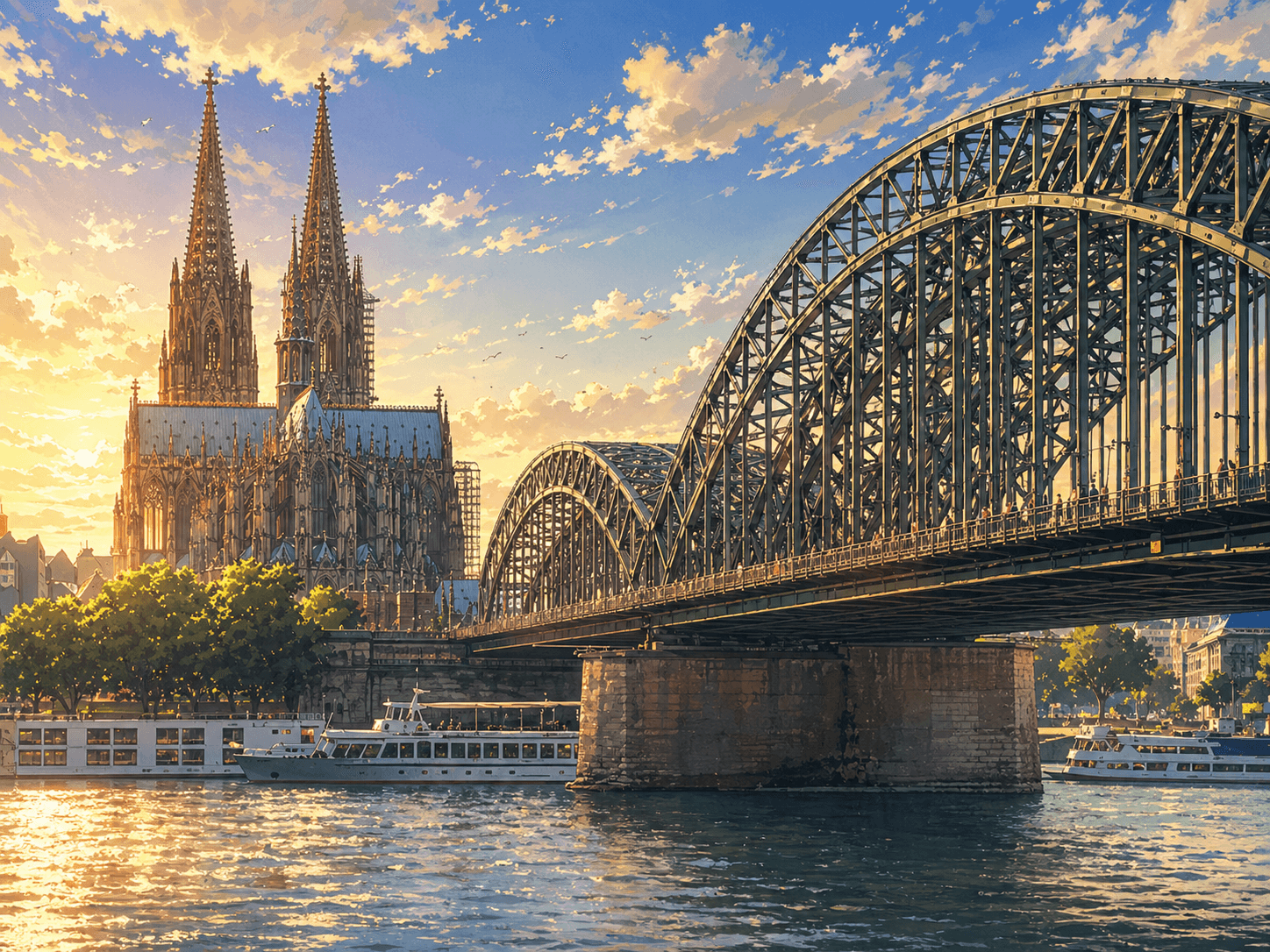
In April 2026, Cologne continued its efforts in climate protection and environmental sustainability. Numerous projects were approved or initiated – from the restoration of peat bogs to the decommissioning of an old landfill. This blog provides an in-depth look at the decisions, background, and long-term impacts.
Climate Protection in Cologne: Progress, Projects, and Challenges in April 2026
In April 2026, the city of Cologne continued its work in the field of climate protection and environmental sustainability with a wide range of measures. Whether in the restoration of peat bogs, the protection of natural monuments, or the decommissioning of an old landfill – the city pursued concrete goals to advance climate neutrality by 2035. The following provides an overview of the most important decisions and developments.
1. Promotion of Climate Peatland Protection: Renaturation in Linder Bruch
A central project in April 2026 was the renaturation of Linder Bruch as part of the funding call “1000 Moore.” The area, which was once a significant lowland peat bog, is now largely destroyed. The BUND plans to restore approximately 100 hectares, with 95% of the costs being funded. The measure is time-limited to 20 years and will be implemented under the condition that the groundwater and flood situation in Porz-Lind does not worsen.
The feasibility study, which also examines protective measures for residents, is a crucial step toward a sustainable implementation. The funding call ends at the end of 2026, making this measure the last opportunity. The project approach is cost-neutral for the city and is evaluated as a contribution to climate and nature protection.
2. Nature Conservation through the Designation of New Natural Monuments
The city of Cologne updated its Natural Monument Ordinance and added 45 new protected sites to the Natural Monument List. This brought the total number to 203 protected sites with a total of 939 trees – an increase of 12% compared to 2002. At the same time, 33 protected sites were removed, mainly due to tree felling or building regulations.
These new designations reflect the city's commitment to nature conservation, which is understood as the foundation for sustainable urban development. The city of Cologne also assumes the responsibility for traffic safety for all natural monuments, even on private land. In addition, 35% of compensation payments for felled trees are invested in conservation and maintenance measures.
3. Climate-Neutral Heat Planning by 2045
The Municipal Heat Plan (Kommunale Wärmeplanung, KWP) is another milestone in Cologne's climate protection strategy. The goal is to create a climate-neutral heating supply by 2045. The planning analyzes the existing heating supply structure and identifies potentials for renewable energies such as geothermal energy, solar energy, and waste heat.
The KWP includes a vision and an implementation strategy based on three bundles of measures: municipal shaping of the heat transition, districts and heat networks, and participation and involvement. RheinEnergie AG and RheinNetz GmbH are planning investments in electricity and heat infrastructure, including the decarbonization of district heating and the construction of a large-scale river water heat pump in Niehl.
4. Decommissioning of the Linder Mauspfad Old Landfill
The decommissioning of the old landfill at Linder Mauspfad is another project with significant climate protection aspects. The landfill, which was in operation in the 1970s, will be equipped with a surface sealing system to reduce emissions into groundwater and the atmosphere. The measure is part of the circular economy strategy and is expected to be approved in the second quarter of 2026.
The decommissioning will also reduce CO2 emissions: After about seven years, the emissions from the construction work will be offset by methane emission reductions. The total cost of the measure is over 14 million euros, funded by reserves from Part Plan 1401.
Conclusion: Climate Protection as a Central Focus
In April 2026, Cologne proved itself to be a pioneer in climate protection. With projects such as the renaturation in Linder Bruch, the designation of new natural monuments, the climate-neutral heat planning, and the decommissioning of the old landfill, the city shows how climate protection and sustainability can be embedded in urban development. The coming months will show whether the plans are implemented and how the measures will have long-term effects on the climate and quality of life in Cologne.
NeoSearch analyses public council documents, committee minutes and municipal announcements. Source references appear automatically once verified meeting data is available.
What does this mean for businesses?
Municipal heat planning, photovoltaics and climate measures create early project indicators. Following council decisions surfaces sites and tenders before they are publicly advertised.
Track similar decisions in your region
Set up monitoring for environment & climate in Nordrhein-Westfalen — prefilled from this article.
Set up monitoring →More signals from Koeln
Youth Participation in Chorweiler: A New Approach for a Stronger Democratic Culture
In April 2026, the District Council of Chorweiler made important decisions regarding the establishment of a youth representation. The focus is on creating a structured and advisory form of youth participation – a step toward more actively involving young people in the city's political processes.
Read more → Education Policy in Cologne – What Was Decided in April 2026
In April 2026, Cologne's Committee for Schools and Further Education made several decisions that will shape the city's educational landscape in a lasting way. From the expansion of grammar schools, the reduction of primary school tracks, to new offerings at the music school – here is a detailed analysis.
Read more → Governance Developments in Cologne: April 2026 in Focus
In April 2026, Cologne was marked by numerous decisions in the areas of governance and administration. From municipal heat planning to administrative procedures and the revision of rules of procedure – the city emphasized transparency, citizen-oriented action, and long-term planning.
Read more →