Iserlohn's Urban Development 2026: Social Housing, Climate Change, and Budget Consolidation
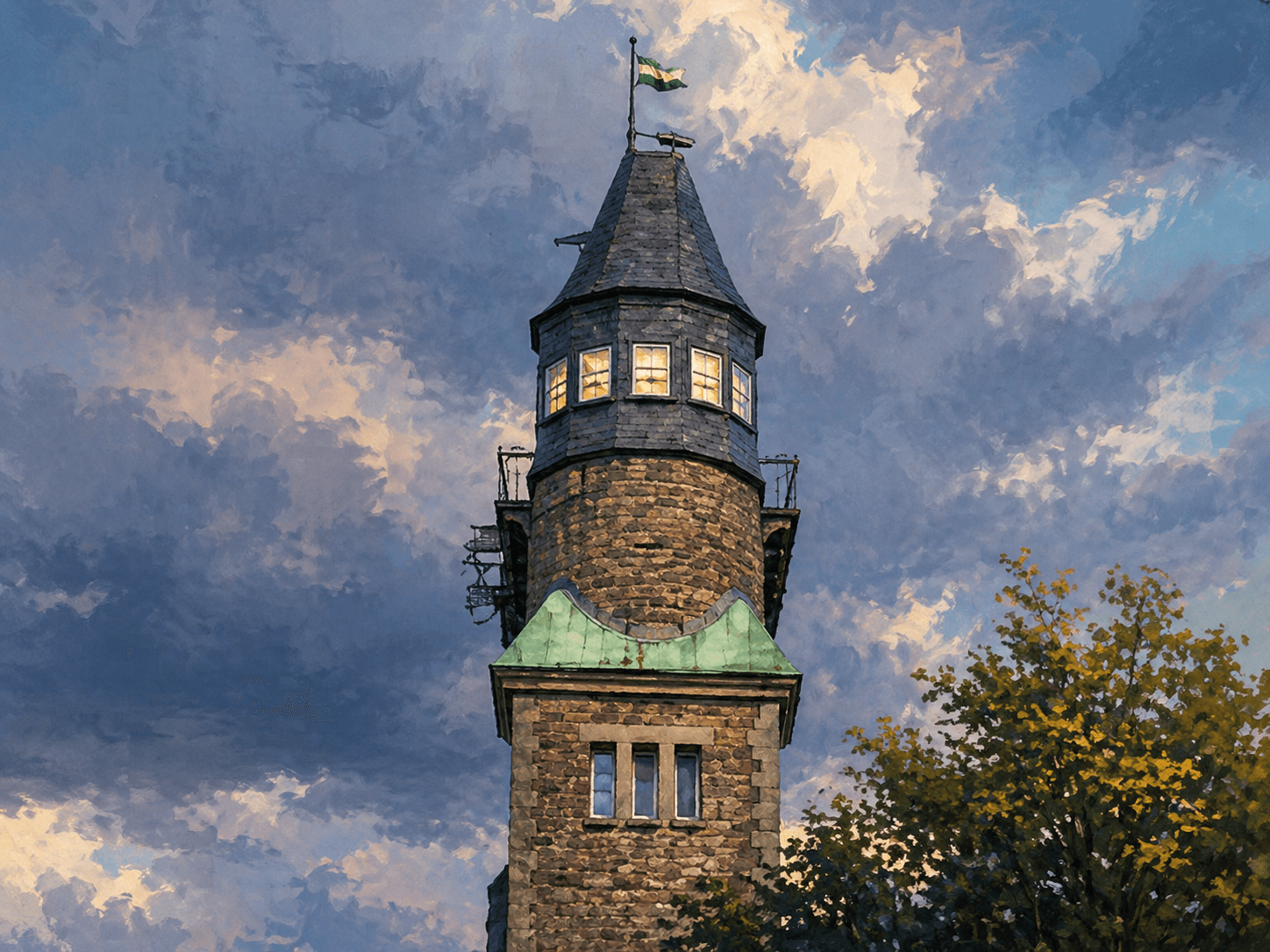
In February 2026, Iserlohn initiates an urban development offensive that combines social housing, climate adaptation, and budget consolidation. The focus is on planning progress, but also on financial cuts. An overview.
Iserlohn's Urban Development 2026: A Balance Between Growth and Budget Consolidation
In February 2026, Iserlohn has shown itself to be a city that is restructuring on multiple levels. At the center are the creation of social housing, adaptation to the effects of climate change, and the consolidation of the municipal budget. These three themes form the basis for the current planning and decision-making processes, which bring both opportunities and challenges.
Social Housing: New Impulses in the Stübbeken District
One of the key decisions of the month was the amendment to the land use plan and the construction plan No. 456 in the district of Stübbeken. The goal is to create 9 socially committed residential units to be built by the Gemeinschaftsdienst gGmbH. The area of approximately 2,324 m² will be developed, with the project sponsor also covering planning and development costs.
The planning is part of a strategy to anchor social housing deliberately in peripheral areas to promote social mixing and affordable housing. The architecture is not only functional but also integrated into the local urban image. Advisory sessions with the public were planned for February 2026 to ensure transparency and acceptance.
In addition, the first amendment to the construction plan 449/1 in the Waldstadt district was approved. Here, four townhouses with underground garages will be built under strict urban and ecological guidelines. The provisions on green roofs, façade materials, and microclimate improvement show how Iserlohn links housing development with sustainability.
Climate Adaptation: From Biodiversity Compensation to Microclimate Improvement
In February 2026, Iserlohn has clearly decided in favor of comprehensive climate adaptation. For example, the planning for the Waldstadt district includes retention green roofs, permeable surfaces, and façade greening. These measures help to improve the local microclimate and reduce heat stress.
Another focus is biodiversity. A study ensured that bats, birds, amphibians, and voles would not be affected by the construction measures. A deficit of 973 biodiversity points was compensated through external measures in Hennen. In addition, the clearance of unexploded ordnance is required before construction begins, aligning safety and sustainability.
Budget Consolidation: Between Austerity and Investment
At the same time, Iserlohn is struggling with a budget deficit. With 44.24 million euros for the year 2026, the budget remains in deficit, which is why a budget security concept under § 76 of the North Rhine-Westphalia Municipalities Act is mandatory. The goal is to achieve a balanced budget by 2035. To achieve this goal, several cost-saving measures have been decided:
- Employment promotion will be discontinued from 2026.
- The demand-responsive group taxis are to be phased out by 2027.
- The wood workshop will be terminated by 2029.
- Municipal subsidies will be reduced by 20%.
- Street lighting will be reduced by 10%.
- Parental contributions in the after-school program (OGS) will be increased.
These measures show how the municipal financial pressure affects social and cultural offerings. At the same time, Iserlohn is also relying on revenue sources such as the increase in property tax A and B and the expansion of parking management. The property tax C, which will be introduced in 2028, promises additional revenues.
Conclusion: A Balancing Act Between Growth and Austerity
Iserlohn is in a tension field in 2026: On the one hand, there are impulses towards sustainability, social housing, and climate protection. On the other hand, the financial constraints must be compensated through savings and tax increases. The city has decided not to completely stop investments in social and ecological projects, but to balance them with austerity measures.
In the coming years, it will be crucial whether this strategy is sustainable in the long term. The consolidation of the budget is necessary, but it must not come at the expense of social and ecological values. Iserlohn has taken a first step in the right direction with the decisions of February 2026 – now it is important to consistently continue this course.
NeoSearch analyses public council documents, committee minutes and municipal announcements. Source references appear automatically once verified meeting data is available.
What does this mean for businesses?
Urban development, zoning plans and commercial settlements create early construction and supply opportunities. Following council decisions reveals projects before they go to tender.
Track similar decisions in your region
Set up monitoring for economic development in Nordrhein-Westfalen — prefilled from this article.
Set up monitoring →More signals from Iserlohn
Culture and Community in Iserlohn: Outlook for February 2026
In Iserlohn, the Cultural Committee is actively working to strengthen cultural structures. The focus lies on new initiatives such as the sponsorship association „Is‘ Kult“, the awarding of the Homeland Prize, and cultural youth programs. In February 2026, further steps toward developing a vibrant cultural landscape were in the spotlight.
Read more → Iserlohn's 2026 Budget: Between Deficits, Consolidation, and Reform Pressure
Iserlohn's 2026 budget reflects a strained financial situation caused by rising personnel costs, interest burdens, and transfer payments. At the same time, the city has adopted a financial stabilization concept until 2035, which includes consolidation measures. In February 2026, key decisions were made that will shape the future viability of the city's financial planning.
Read more → Iserlohn is making significant investments in the future of its city leadership
In February 2026, the city of Iserlohn will set new impulses with a wide range of sports policy measures. From the renovation of sports facilities to the digitalization of sports offerings – Iserlohn is positioning itself as a modern sports city and preparing for international events such as the Women's Euro 2029.
Read more →