Governance and Administration in Hagen – April 2026: Transparency, Equality and Budget Consolidation
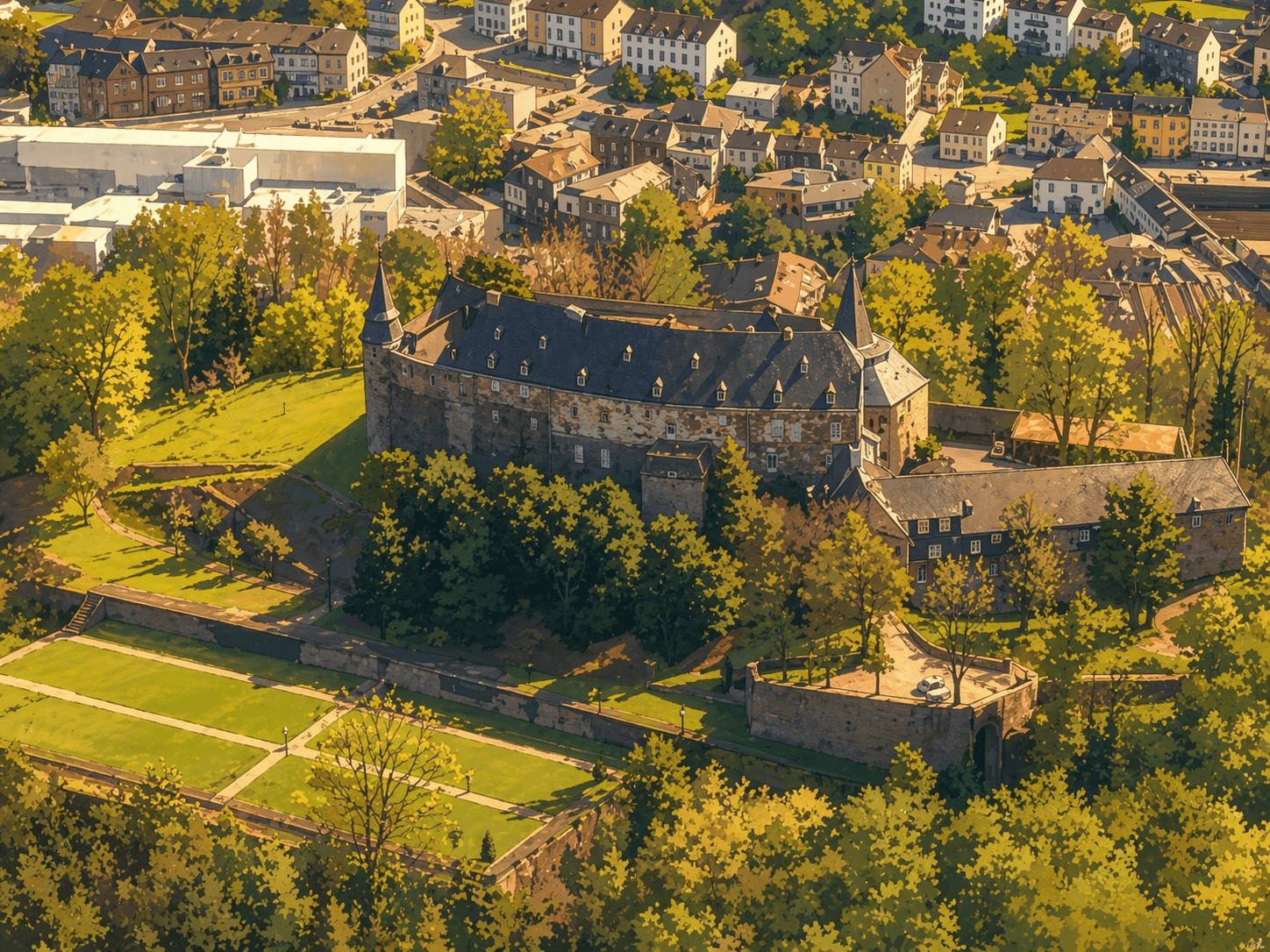
In Hagen, April 2026 demonstrated how governance and administration in a city facing structural challenges such as debt and old liabilities can still make progress in transparency, equality and budgetary stability. This analysis highlights the key decisions, processes and socio-political debates of April 2026.
Governance and Administration in Hagen – April 2026: Transparency, Equality and Budget Consolidation
The city of Hagen has faced structural challenges in recent years: debt, old liabilities and a lack of a budget consolidation plan (HSK) have shaped the political agenda. However, April 2026 showed that with a clear governance strategy and transparent administration, the city can make progress in several areas. The meetings of the Audit Committee, the WBH Supervisory Board and the District Councils provided a comprehensive insight into current developments.
1. Equality as a Central Governance Actor
Gender equality policy in Hagen has moved more into the spotlight in recent years – and for good reason. The WBH Equal Opportunities Plan for the years 2025–2029 marks a milestone. It was developed in accordance with § 5 of the North Rhine-Westphalia Equal Opportunities Act and sets clear targets for women in leadership positions, parental leave and gender-sensitive language.
The current employment structure shows significant differences: the share of women is 23%, with the WBH/4 department at 71.86% the highest, while WBH/3 employs just 2.54% women. The Equality Officer is the lead person in developing the plan, and gender equality policy is mandatory for all WBH employees.
These measures reflect a structural change. The CDU faction in the Hohenlimburg District Council again called in April for a review of priorities in municipal sports facility construction, showing that gender equality is also being discussed in other areas.
2. 2026/2027 Budget Plan: Consolidation and Investments
The budget consolidation plan (HSK) is central to the city's future. The consolidation measures in 2026 include savings of 12.97 million euros in capital expenditures and 7 million euros in personnel costs. Investment disbursements in 2026 total 48.72 million euros, while inflows amount to only 43.20 million euros – a deficit of 5.52 million euros remains.
Debt relief from ASEG NRW amounts to 543 million euros, which although increases interest burdens, can contribute to long-term consolidation. The budget balance, originally planned for 2031, now has to be postponed to 2034. This shows how sensitive financial planning is in Hagen.
In the 2026/2027 budget, investments in IT, building and administrative modernization as well as in municipal infrastructure such as schools and culture are clearly prioritized. So, disbursements for the construction of a new comprehensive school (GES) are planned in the millions up to 2030. The digitalization measures at schools under the Digital Pact are another highlight, especially regarding the expansion of WLAN and digital teaching methods.
3. Transparency and Accountability: Audit and Anti-Corruption
Auditing is another central element of governance in Hagen. The Audit Committee met on 27.04.2026 and unanimously accepted the 2025 annual report of the Anti-Corruption Office. The Anti-Corruption Office has clearly strengthened itself this year: the number of cases increased by 44%, and three bribery cases were processed, with criminal proceedings initiated in two of them.
The measures to combat corruption are comprehensive: an e-learning module for awareness, cooperation with the HR department and increased visibility through flyers and newsletters. In addition, an internal reporting and advisory system in accordance with the Whistleblower Protection Act was established, which recorded two anonymous reports in the first quarter of 2026.
These steps show that Hagen is not only focusing on financial consolidation, but also on institutional integrity. The transparency in the administration and the inclusion of the Anti-Corruption Office in the Audit Committee are examples of how governance is implemented in Hagen.
4. Governance Structure and Committees: Stability and Flexibility
The governance structure in Hagen is complex, but well-coordinated. The WBH Supervisory Board, chaired by Bernd Maßmann, met in April and discussed topics such as the Equal Opportunities Plan and the annual report of the composting plant. The Hagen Municipal Enterprise (WBH) is responsible for infrastructure, green spaces, traffic, cemeteries and forested areas and has a clear internal structure with strategic (WBH/S) and operational departments (WBH/0–4).
The district councils remain central to municipal governance. In Hohenlimburg, council members discussed the draft 2026/2027 budget and voted on priorities for urban development. The CDU faction called for a re-evaluation of projects in municipal sports facility construction and criticized the lack of staff resources.
The public question time in the Hohenlimburg District Council also showed how closely the population is involved in governance. Criticism regarding the handling of administrative violations and the closure of a youth café led to the submission of 500 signatures to the Mayor – an example of direct citizen participation.
Conclusion: Governance as a Process of Stability and Change
April 2026 was a month in Hagen in which governance and administration were in action. The city has shown that it can make progress in equality, transparency and budget planning despite financial difficulties and structural challenges. The inclusion of citizens in decision-making processes, the strengthened role of the Equality Officer and the clear consolidation strategy in the budget make Hagen a model for municipal governance in transition.
But the challenges remain. Budget consolidation will take time, and equality policy must be embedded in all areas of the city administration. Governance in Hagen is a process – and April 2026 shows that this process is moving in the right direction.
NeoSearch analyses public council documents, committee minutes and municipal announcements. Source references appear automatically once verified meeting data is available.
What does this mean for businesses?
Town halls, fire stations, depots and administrative buildings create early construction and refurbishment opportunities. Following council agendas reveals projects before they go to tender.
Track similar decisions in your region
Set up monitoring for public buildings & administration in Nordrhein-Westfalen — prefilled from this article.
Set up monitoring →More signals from Hagen
Economic Development in Hagen: Challenges and Opportunities in April 2026
In April 2026, several key initiatives in the field of economic development were in focus in Hagen. With the new construction of Max Fry, the training offensive, and the revitalization of the city center, the city is demonstrating ambitions to ensure growth and stability. This blog post highlights the central developments and their long-term effects.
Read more → Social and Housing Policy in Hagen – Between Budget Consolidation and Social Inclusion
In April 2026, important decisions in the field of social and housing policy were made in Hagen. The city is planning investments in social infrastructure, increasing budget expenditures for social services, and discussing digital inclusion and accessibility. This analysis shows how Hagen balances financial necessity with social responsibility.
Read more → Youth Policy in Hagen: Challenges, Progress, and Future Visions
In April 2026, Hagen focused on a range of youth policy topics – from promoting mental health and investing in daycare centers to youth support and participation. The city of Hagen is pursuing long-term youth development through new construction projects, structural reforms, and funding measures. This blog article analyzes the most important decisions and developments of the month.
Read more →