Urban Development in Gütersloh: Climate Protection, Housing, and Urban Planning Challenges
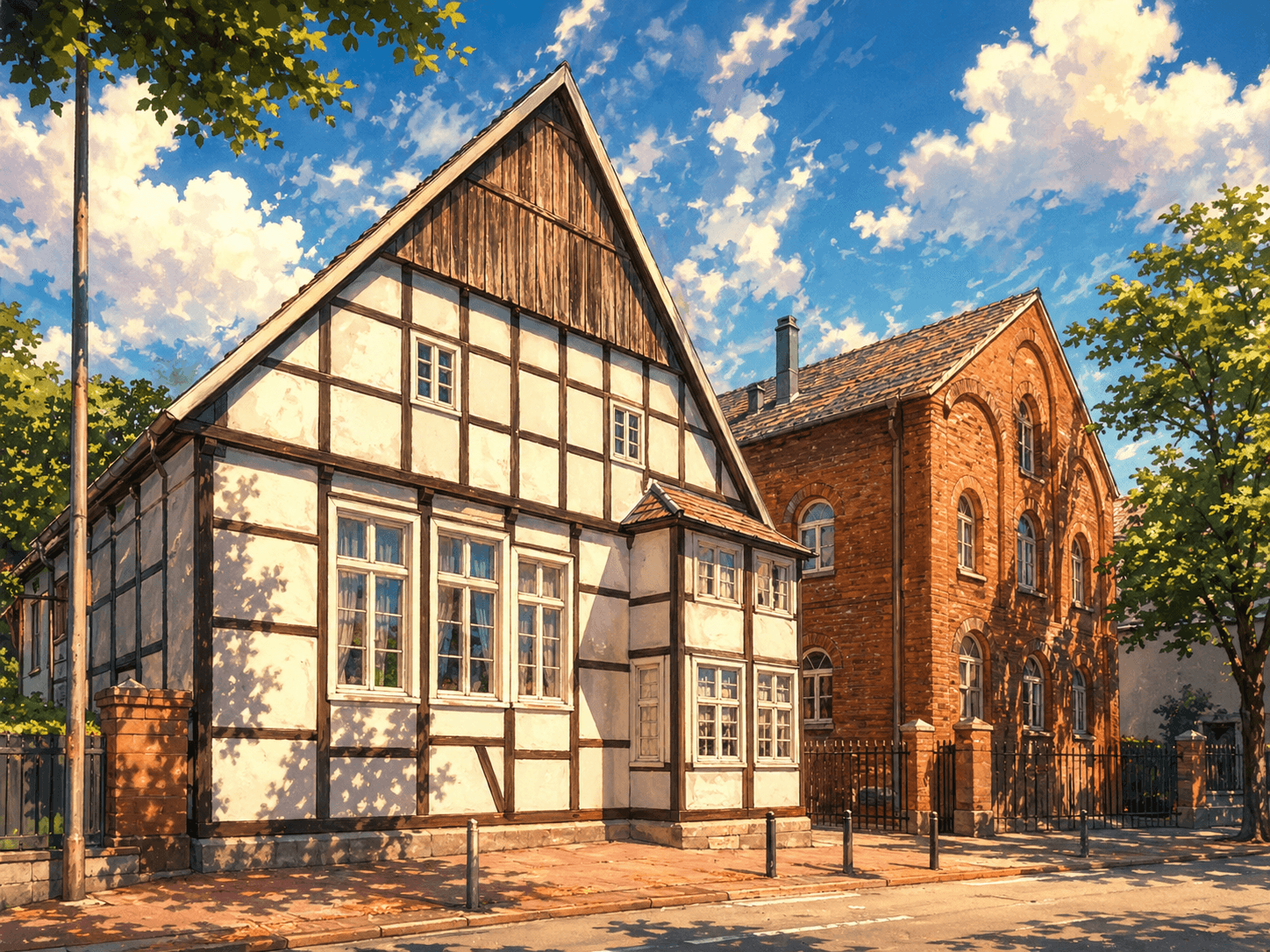
In February 2026, important decisions and debates in the field of urban development and construction were at the center of attention in Gütersloh. From the redesign of the Fritz-Blank-Straße zoning plan to climate protection measures and the development of new sports facilities—the topics are wide-ranging and highlight the complexity of urban planning.
Climate Protection and Greening in the Focus of Urban Planning
Urban development in Gütersloh is placing a stronger emphasis on topics such as climate protection, greening, and sustainability this year. Particularly notable is the role of the municipal climate assessment report, which is intended to serve as a central tool for evaluating construction projects. In Zoning Plan 334, "East of Bohlstraße / south of Gutenbergstraße," climate adaptation measures are mandatory, including roof greening, permeable paving, and the preservation of existing trees. These regulations are part of a comprehensive concept aimed at climate-compatible urban development.
Housing Supply and Zoning Plans
In the area of housing supply, the city of Gütersloh is setting clear guidelines for future construction. In the Fritz-Blank-Straße Zoning Plan (Area 160), a general residential zone is defined with a maximum of two dwellings per building. The construction requirements—such as a gross floor area ratio (GRZ) of 0.3–0.4, height restrictions, and roof slope—indicate a clear and compatible form of in-fill development. At the same time, emphasis is placed on green and nature conservation areas as well as the designation of playgrounds. This planning is part of a long-term development approach aimed at sustainable and livable housing supply.
Development Charges and Legal Challenges
Development charges for new residential construction are another important topic. In the Adele-Bartsch, Anna-Böckmann, and Fritz-Blank Streets, a development unit has been established, with contribution rates of up to 129.30 €/m². The administration carried out a hypothetical calculation, which resulted in a reduction of 7 €/m². Legal certainty for this calculation was ensured through a consultant inquiry with BRANDI Rechtsanwälte. However, the decision in the Committee for Planning, Construction, and Integration (APBI) has been postponed, indicating the complexity and political tensions in this area.
Climate Neutrality and Energy Guidelines
On the level of urban development, Gütersloh is also focusing on climate neutrality. The energy guidelines for municipal construction projects have been updated, with project-specific planning and funding programs in the foreground. Measures such as photovoltaics, roof greening, and rainwater management are being examined to achieve the target of climate-neutral building stock by 2050. However, it becomes clear that the building sector nationwide is missing climate targets—101 million tons of CO₂e were emitted in 2024, while 97 million tons were planned. This highlights the urgency of taking active measures at the municipal level as well.
Outlook and Future Challenges
Planning in Gütersloh is characterized by a balance between urban needs and ecological goals. The redesign of residential areas, the integration of climate protection measures, and the preservation of green spaces are central topics that will be decisive for the city's development in the coming years. At the same time, legal and financial clarity regarding development charges and construction planning remains a central area of challenge.
Conclusion: An Urban Development Approach in Transition
The decisions and debates in the field of urban development and construction in Gütersloh in February 2026 show a city that is consciously and future-oriented in addressing the challenges of climate change and housing supply. The combination of clear construction requirements, climate protection measures, and more transparent planning is a good way to shape Gütersloh's future in a sustainable way.
NeoSearch analyses public council documents, committee minutes and municipal announcements. Source references appear automatically once verified meeting data is available.
What does this mean for businesses?
Urban development, zoning plans and commercial settlements create early construction and supply opportunities. Following council decisions reveals projects before they go to tender.
Track similar decisions in your region
Set up monitoring for economic development in Nordrhein-Westfalen — prefilled from this article.
Set up monitoring →More signals from Guetersloh
Gütersloh Cultural Policy 2026: City Archives in the Spotlight – Preservation, Education, and Civic Participation
In April 2026, the Gütersloh City Archives will be at the center of cultural debate and activity. The Cultural Committee will discuss the financial future of cultural institutions, while the archive remains active with numerous educational projects and exhibitions.
Read more → School Development and Digital Education in Gütersloh – Focus April 2026
In April 2026, the City of Gütersloh's Education Committee thoroughly addressed the future of primary and secondary schools. From the establishment of family-oriented primary school centers to digitalization in classrooms – the topics highlight how the city is advancing its educational landscape.
Read more → Gütersloh Construction Planning in April 2026: Urban Density, Climate and Open Space
In April 2026, the city of Gütersloh set impulses for its urban development in several meetings. The focus was on inner-city densification, climate protection measures, and the balance between urban expansion and open space. Particularly noticeable were the plans for the "Verler Straße / Am Coesfeld" site and the zoning plan No. 334 in the central part of the city.
Read more →