Education in Motion: Gütersloh's Education Policy in March 2026
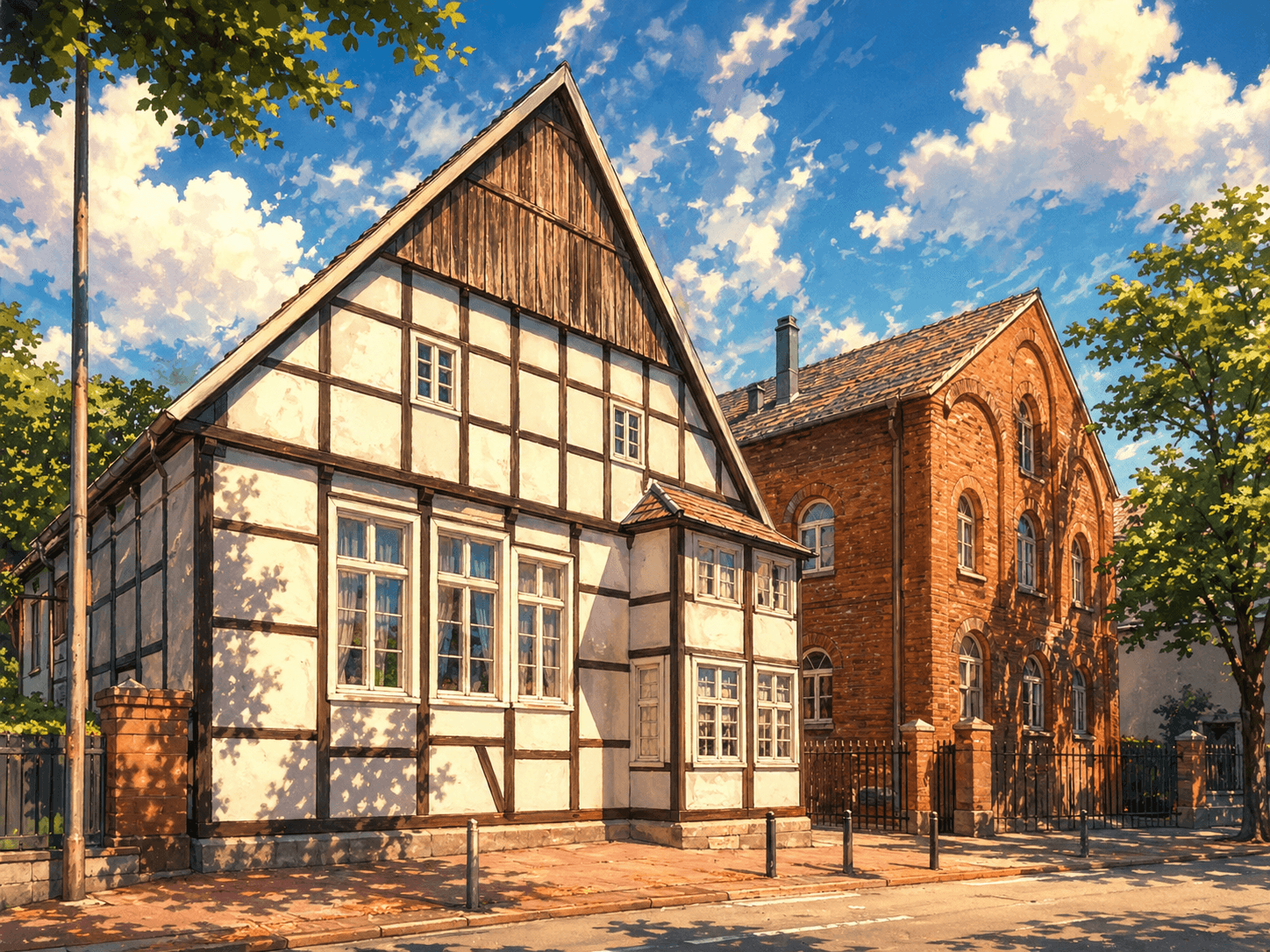
In March 2026, Gütersloh made important decisions shaping the future of education and public institutions. The focus was on budget planning, digitalization, school construction measures, and the development of the city library. An overview.
Education in Motion: Gütersloh's Education Policy in March 2026
Education policy in Gütersloh is undergoing an intense transformation. In March 2026, the city made key decisions that will shape the future of education and public institutions. Central to these decisions were budget planning, the digitalization of schools, the development of the city library, and the implementation of family primary school centers. These measures not only reflect the current political priorities but also the challenges facing educational institutions in a rapidly changing society.
Budget Planning and Investment Strategy
The financial foundation for Gütersloh's education policy is largely secured for 2026. The draft budget for the Department of Schools has been recommended for approval, and the investment program for 2026–2029 defines key construction measures outside the projects Future-Ready Schools Gütersloh (ZSG) and Expansion of the Neißeweg Primary School.
In 2026, investments of €10,500 are planned for operational and business equipment, and €31,500 for IT hardware. In addition, the Adult Education Center (Department 42) is supported with an integrated budget. However, funding is not without risks: wage increases and rising licensing costs for digital media are putting pressure on the budget. To ensure flexibility, the city has set aside a cost reserve of 0.5% of personnel costs.
Digitalization as a Central Building Block
Digitalization of the educational infrastructure has found a firm place in Gütersloh. The city is responsible for the digital equipment of schools – from networks and presentation technology to IT infrastructure. Up to the sixth grade, students are equipped with mobile devices that remain at school. From the seventh grade onward, individual access is ensured.
Digital infrastructure should not only enable learning processes but also create new didactic opportunities. At the same time, the city is working on the use of AI tools in an educational context – in compliance with statewide regulations. Technical control options such as device management systems limit distractions and help students concentrate.
Another highlight is the digitalization of the city library. In 2026, the city is investing €51,600 in digital licenses and portal access, including OnleiheOWL and Filmfriend. New offers such as Sharemagazines and RiffReporter round out the digital offering. The renewal rate for print media is 9.3%, showing that digital media complement the traditional collection but do not completely replace it.
Family Primary School Centers: Opportunity and Challenge
Another focus of the March meeting was the discussion on the introduction of Family Primary School Centers. The city has decided to focus on 1–2 locations due to limited funding capacity. The primary schools Neißeweg, Blankenhagen, Altstadtschule, and Sundern are potential candidates. State funding amounts to up to €28,800 per year for coordination and €8,000 for material resources, with municipal co-financing of approx. €33,500 (1 location) or €49,700 (2 locations).
The city plans not to fully integrate the funding in the 2026 budget yet. This shows the uncertainty associated with long-term financing. Nevertheless, the project is a central part of Gütersloh's education strategy, especially with regard to early childhood education and parental work.
City Library: Culture, Education, and Sustainability
The Gütersloh City Library is not only a central educational institution but also a symbol of cultural participation and sustainability. The Performance and Financial Plan for 2026 has been approved, and the Mid-Term Plan for 2027–2029 has been integrated into urban planning. The budget burden in 2026 is €2,472,235, with planned investments of €177,825 for inventory updates.
The City Library has clear strategic objectives: contribution to the sustainability goals of Agenda 2030, promotion of education, integration, and climate protection. The institution is also part of a social structure in which 51% of the share capital and 100% of the ongoing maintenance are provided by the city, and 49% of the share capital by the Bertelsmann Foundation.
The library offers over 700 events per year, including reading sessions, STEM workshops, and digital reading adventures. School libraries at seven secondary schools play a significant role in promoting reading and are a central part of educational work in Gütersloh.
Outlook: Education Policy in Transition
The March meeting made it clear that education policy in Gütersloh is not static but actively oriented towards the challenges of the future. Digitalization, financial planning, and the development of educational institutions such as the City Library or Family Primary School Centers show how complex the tasks are.
In the future, it will be important to secure long-term investments in the educational infrastructure while also ensuring flexibility in budget planning. The city of Gütersloh has created a clear framework with the decisions of March 2026 – now it is time to push forward the implementation with determination.
NeoSearch analyses public council documents, committee minutes and municipal announcements. Source references appear automatically once verified meeting data is available.
What does this mean for businesses?
Schools, daycare centres and public buildings create early planning and construction opportunities. Following council agendas surfaces tenders for refurbishment, new builds and fit-out months before the official award — from shell construction to specialist planning to furnishing.
Track similar decisions in your region
Set up monitoring for education & public facilities in Nordrhein-Westfalen — prefilled from this article.
Set up monitoring →More signals from Guetersloh
Gütersloh Cultural Policy 2026: City Archives in the Spotlight – Preservation, Education, and Civic Participation
In April 2026, the Gütersloh City Archives will be at the center of cultural debate and activity. The Cultural Committee will discuss the financial future of cultural institutions, while the archive remains active with numerous educational projects and exhibitions.
Read more → School Development and Digital Education in Gütersloh – Focus April 2026
In April 2026, the City of Gütersloh's Education Committee thoroughly addressed the future of primary and secondary schools. From the establishment of family-oriented primary school centers to digitalization in classrooms – the topics highlight how the city is advancing its educational landscape.
Read more → Gütersloh Construction Planning in April 2026: Urban Density, Climate and Open Space
In April 2026, the city of Gütersloh set impulses for its urban development in several meetings. The focus was on inner-city densification, climate protection measures, and the balance between urban expansion and open space. Particularly noticeable were the plans for the "Verler Straße / Am Coesfeld" site and the zoning plan No. 334 in the central part of the city.
Read more →