Culture and Community in Gelsenkirchen: An April Report
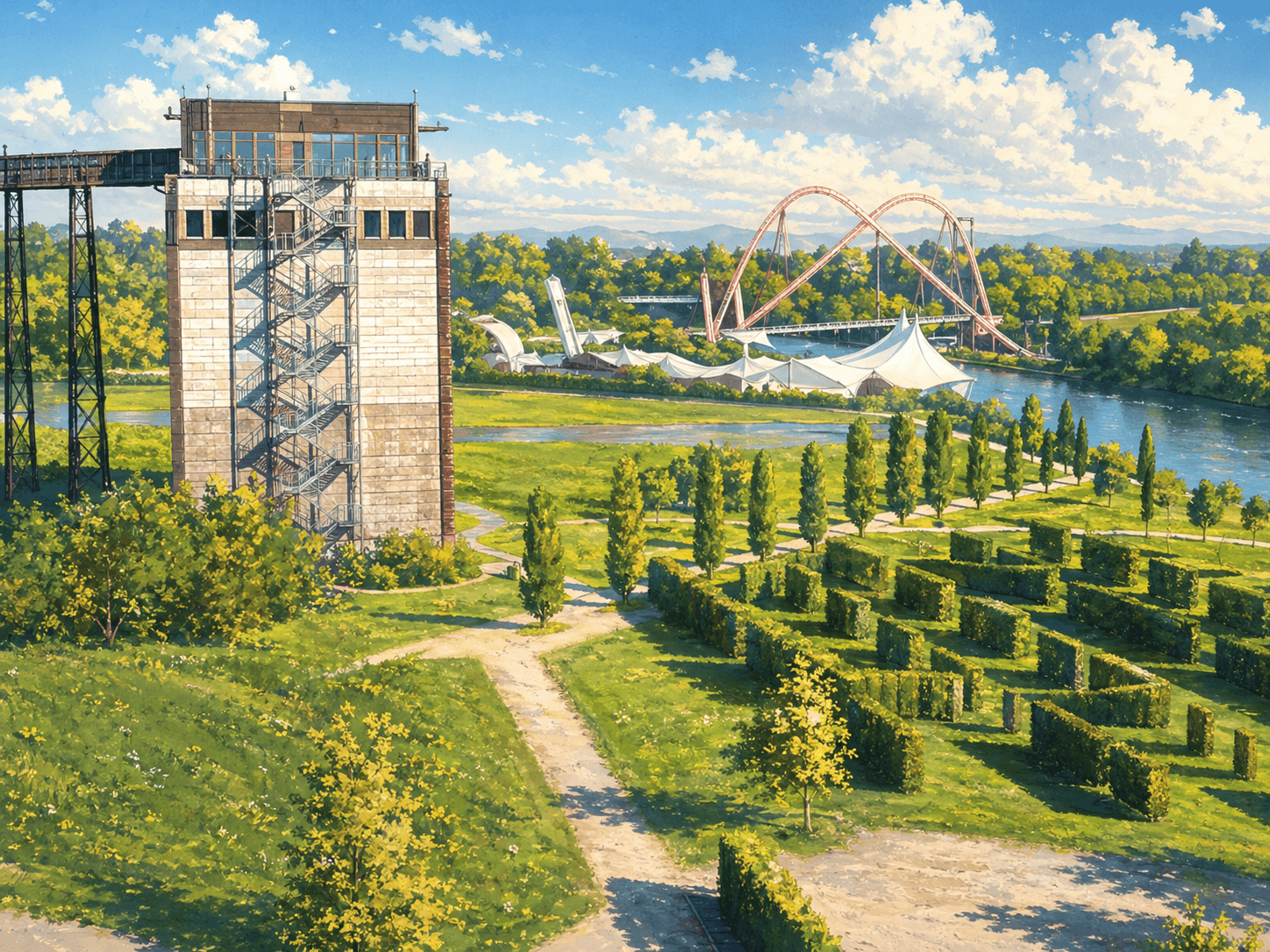
In April 2026, Gelsenkirchen was marked by cultural engagement, remembrance work, and financial adjustments. The Committee for Culture and Urban Scenes intensely discussed current projects, financial challenges, and the role of remembrance culture in the city.
Culture as an Anchor of Identity and a Financial Challenge
April 2026 was characterized in Gelsenkirchen by an intense discussion of cultural topics. The Committee for Culture and Urban Scenes engaged with the future of the Municipal Cinema, remembrance culture, and the role of the Institute for the History of the City (ISG). At the same time, financial adjustments were under discussion, debated both critically and pragmatically.
Municipal Cinema: Pricing Policy and Social Accessibility
The discussion on the Municipal Cinema (KoKi) was one of the central issues. As of April 1, 2026, ticket prices were increased: 7.50 euros for standard admission, 6.50 euros for reduced prices, and 4 euros for the GE-Pass. In addition, 10-ticket cards and a surcharge of 1 euro for longer screenings were introduced. The price adjustment was a response to rising operating and energy costs, as well as to align prices with those of the Schauburg Filmpalast. A motion by the Left Party to expand the range of reduced tickets was rejected, highlighting the tensions between financial necessity and social inclusivity.
The debate around KoKi reflects the typical tensions in cultural policy: how can quality and accessibility be reconciled under economic constraints? The decision shows that Gelsenkirchen is taking a pragmatic approach, even though this has not convinced all political groups.
Remembrance Culture: Processing the NS Past
Another focus was on remembrance culture. The Institute for the History of the City (ISG) presented its work on the topic of the Nazi past and migration. Projects such as "Langemarckstraße – Misused History or Shared Remembrance?" and the citizen science project with the Schalker Fan Initiative show how Gelsenkirchen actively engages with its history.
The city is reaching out to a broad public: witness talks, exhibitions, lectures, and even theater projects such as "Auschwitz in Court" contribute to documenting and actively conveying the Nazi past. The work on memorial sites, including the more than 200 information plaques across the city, underscores that Gelsenkirchen does not see remembrance culture as a purely academic project, but as part of its urban identity.
Cultural Events and Symbolic Projects
The Stadtgarten (City Garden) was the focus of several motions. The discussion on parallel events during the reconstruction of the pavilion shows how sensitive the handling of cultural spaces can be. At the same time, a report on the Walk of Fame was presented, which is understood as a symbolic project of the city. The discussion on the wear of the floor tiles and protective measures such as slip-resistant protective film shows that even seemingly "light" cultural projects have their challenges.
The work of the ISG, visible in a mobile exhibition and a picture book for the 150th anniversary of city rights, underlines that Gelsenkirchen not only focuses on current projects, but also emphasizes the historical dimension of its cultural policy.
Outlook and Challenges
April 2026 shows that Gelsenkirchen is working toward a cultural renaissance—not only in the form of events, but also through an intense engagement with its own history. At the same time, financial challenges are unavoidable, leading to compromises and debates.
In the future, remembrance culture is expected to play an even greater role—especially in light of the planned exhibition on hygiene history at the Ruhr Museum in 2027. Gelsenkirchen proves that culture is not only entertainment, but also identity, remembrance, and social responsibility.
NeoSearch analyses public council documents, committee minutes and municipal announcements. Source references appear automatically once verified meeting data is available.
What does this mean for businesses?
Municipal council decisions are early indicators: following the council agenda surfaces projects and tenders months before the official award — before they ever reach the procurement portals.
Track similar decisions in your region
Set up monitoring for Culture and Community in Nordrhein-Westfalen — prefilled from this article.
Set up monitoring →More signals from Gelsenkirchen
Health Policy in Gelsenkirchen: Between Prevention, Safety, and Care Needs
In April 2026, important decisions on health policy were in focus in Gelsenkirchen. From violence prevention in emergency services to mental health care and care planning – the city is relying on cooperation, innovation, and prevention.
Read more → Gelsenkirchen's Mobility Transformation: From School Traffic to the IGA 2027
In April 2026, Gelsenkirchen focused intensively on traffic policy topics – from the parent taxi service to the major construction projects for the IGA 2027. This blog analyzes the most important developments and background information.
Read more → Gelsenkirchen: Legal Challenges and Political Tensions in April 2026
In April 2026, Gelsenkirchen was at the center of numerous legal and political issues, ranging from public order policy to elections and social problems. This blog analyzes the key decisions and discussions in the field of Policy and Legal Matters.
Read more →