Gelsenkirchen Committed to Climate Protection, Nature Conservation, and Sustainable Energy Production
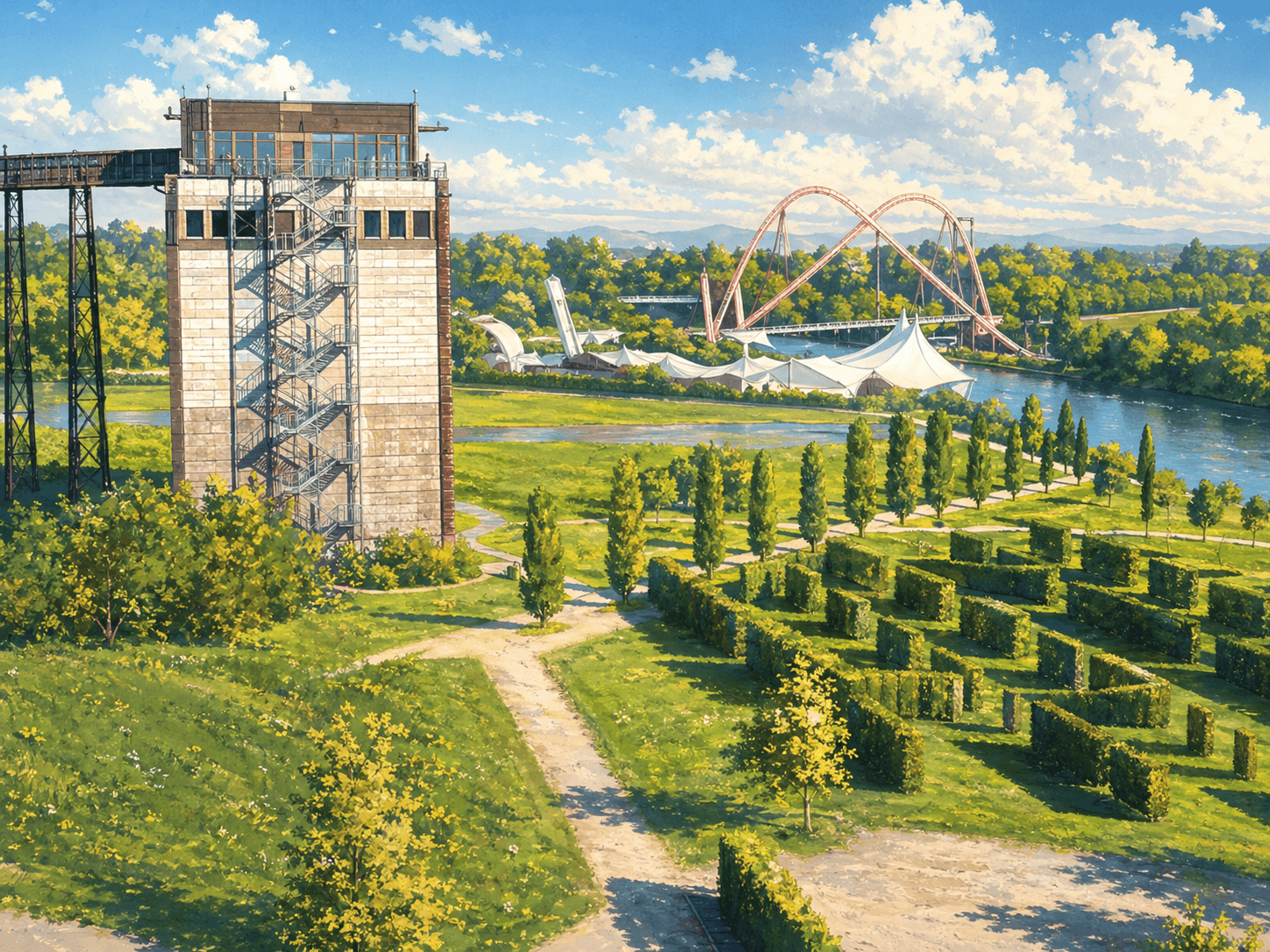
In April 2026, Gelsenkirchen adopted key measures for climate protection, nature conservation, and the expansion of renewable energy in several sessions. The focus was on the new landscape plan, the expansion of the district heating network, and the protection of biotopes and scattered orchards. These measures are part of a comprehensive concept to make the city climate-neutral by 2045.
Climate Protection, Nature Conservation, and Energy Production in Focus of April Meetings
Gelsenkirchen has established itself as a pioneer in climate policy in recent years. With the goal of becoming climate-neutral by 2045, the city is implementing a wide range of measures that were once again emphasized in the April 2026 meetings of the Committee for Environment, Sustainability, and Climate Protection. The discussions cover not only the expansion of renewable energy, but also the protection of nature conservation areas, the preservation of scattered orchards, and the revision of the landscape plan.
Expansion of the District Heating Network and Decarbonization
A central topic in the April meetings was the expansion of the district heating network by Iqony Wärme. The goal is to decarbonize heat consumption in Gelsenkirchen by 2031 and to complete the network expansion by 2040. The planned measures include the use of geothermal energy, biomass, waste heat, solar thermal energy, and seasonal storage. The connection line between Gelsenkirchen and Erle, with a heat potential of up to 25 MW, is also being considered.
These measures are part of a comprehensive transformation plan that also considers the connection potential for approximately 16,500 buildings. The city has set clear objectives: The heat transition is a central element of Gelsenkirchen's climate protection strategy.
Landscape Planning and Nature Conservation
The Gelsenkirchen landscape plan, which was in public discussion in recent weeks, was adopted as a by-law and digitized in the meetings. It covers 4,833 hectares, or 46% of the city area. Key aspects of the plan include compliance with European protection directives, the preservation of biodiversity through biotope networks, and the promotion of sustainable urban development.
Special attention was given to nature conservation areas such as "Erdbach," "Rapphofsmühlenbachsystem," and "Breiker Höfe und Grenzgraben." These areas are not only important for the preservation of habitats for protected species but also for urban climate regulation. The protection of soils and peatlands is also a central aspect of the planning, as these areas have a high climate protection function.
Biodiversity Strategy and Protection of Scattered Orchards
Gelsenkirchen's biodiversity strategy focuses on the protection of hedgehogs and other nocturnal animals, as well as the preservation of scattered orchards. These areas are not only significant for the landscape structure but also for biodiversity. In the meetings, it was emphasized that scattered orchard meadows and hedges must be integrated as protected landscape elements into the landscape plan.
It was also critically noted that the designation of protected areas on agricultural land could have implications for food security and the existence of agricultural enterprises. Therefore, it was requested that compensation mechanisms and exemptions be used to take the interests of farmers into account.
Energy Policy and Mine Gas Utilization
Another important topic was the use of mine gas by Minegas GmbH. The use of mine gas for electricity and heat generation is a key element of Gelsenkirchen's climate protection strategy, as it can reduce methane emissions by a factor of 25. In addition, the city supports the expansion of renewable energy through wind turbines and photovoltaic systems.
Discussions about wind turbines on the Oberscholven spoil heap showed that compromises are also necessary in this area. Gelsenkirchen wants to promote the expansion of renewable energy while also taking landscape protection into account.
Criticism and Challenges
Despite many positive developments, there was also criticism regarding the designation of protected areas, particularly the expansion to agricultural land. It was argued that proper agricultural use in accordance with § 5 (2) BNatSchG in conjunction with § 4 (1) LNatSchG NRW must remain unaffected. Concerns were also raised regarding tree shadows, GPS reception limitations, and pest infestations.
The impact of the landscape plan on food security and the survival of small agricultural enterprises was also discussed. It was requested that compensation mechanisms and exemptions be used to take the interests of farmers into account.
Conclusion
The April meetings in Gelsenkirchen have shown that the city is on the right path to achieving its climate protection goals. With the expansion of the district heating network, the revision of the landscape plan, and the protection measures for biotopes and scattered orchards, Gelsenkirchen has set a clear course. Nevertheless, it also becomes clear that there are challenges, particularly in the areas of agriculture and land use.
In the coming months, it will be crucial how well the city can maintain the balance between climate protection, nature conservation, and economic development. The experiences from April 2026 will provide an important foundation for this.
NeoSearch analyses public council documents, committee minutes and municipal announcements. Source references appear automatically once verified meeting data is available.
What does this mean for businesses?
Municipal heat planning, photovoltaics and climate measures create early project indicators. Following council decisions surfaces sites and tenders before they are publicly advertised.
Track similar decisions in your region
Set up monitoring for environment & climate in Nordrhein-Westfalen — prefilled from this article.
Set up monitoring →More signals from Gelsenkirchen
Health Policy in Gelsenkirchen: Between Prevention, Safety, and Care Needs
In April 2026, important decisions on health policy were in focus in Gelsenkirchen. From violence prevention in emergency services to mental health care and care planning – the city is relying on cooperation, innovation, and prevention.
Read more → Gelsenkirchen's Mobility Transformation: From School Traffic to the IGA 2027
In April 2026, Gelsenkirchen focused intensively on traffic policy topics – from the parent taxi service to the major construction projects for the IGA 2027. This blog analyzes the most important developments and background information.
Read more → Gelsenkirchen: Legal Challenges and Political Tensions in April 2026
In April 2026, Gelsenkirchen was at the center of numerous legal and political issues, ranging from public order policy to elections and social problems. This blog analyzes the key decisions and discussions in the field of Policy and Legal Matters.
Read more →