Everswinkel and the Expansion of Wind Energy – Climate Policy in Focus
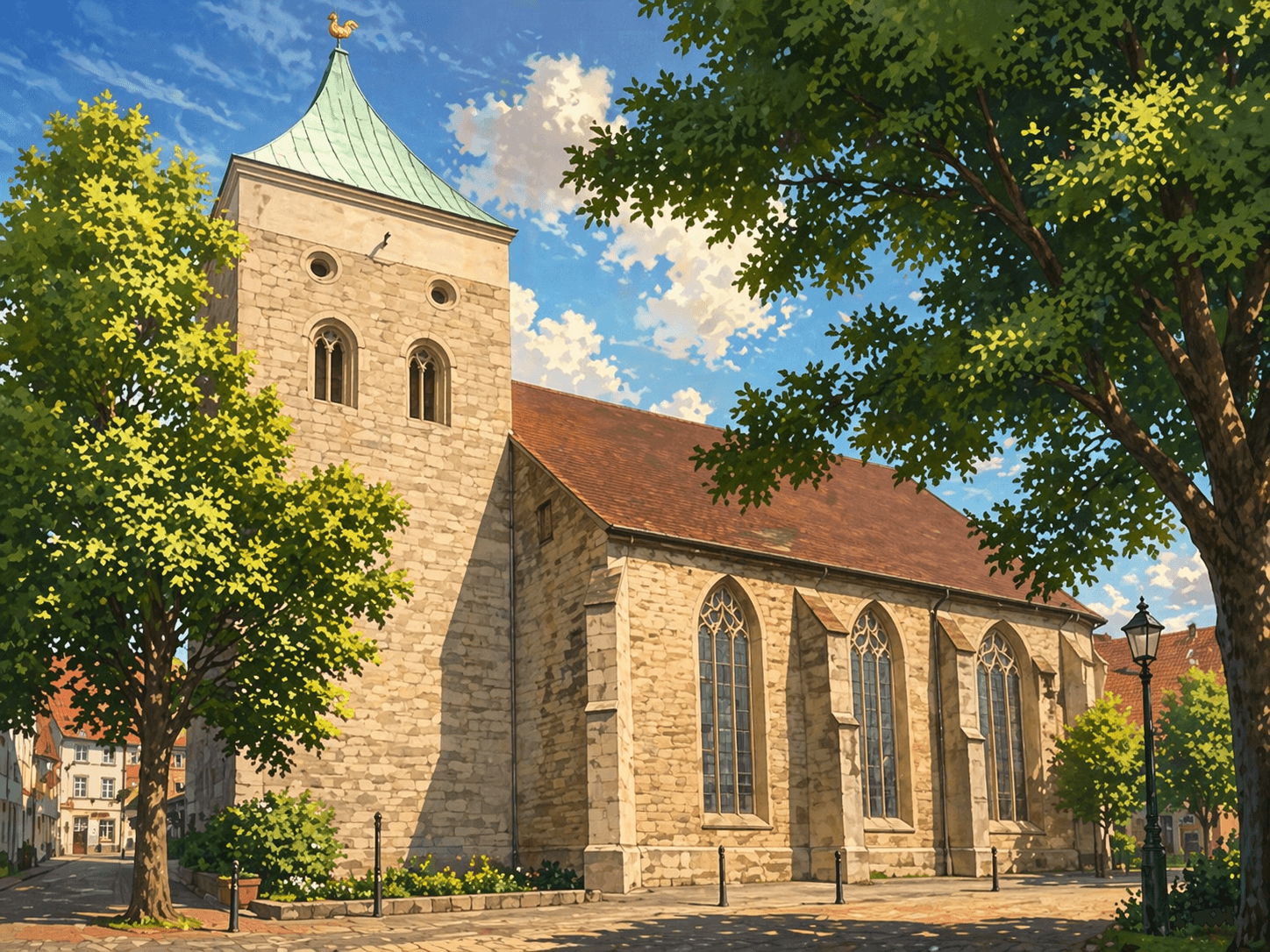
In February 2026, the expansion of wind energy use was central to the climate debate in Everswinkel. With an already above-average coverage of electricity consumption through wind energy and a clear stance on land planning, the municipality has taken a decisive position in regional energy policy.
Wind Energy in Everswinkel: A Success Story with Limits
Everswinkel has established itself in recent years as a pioneer in the use of renewable energies, particularly in the field of wind power. In February 2026, the Committee for Planning, Environmental and Climate Protection convened to discuss the expansion of wind energy use. The current status: 13 wind turbines already supply 123.7% of the municipality's gross electricity consumption. In addition, 5 more turbines are in the planning phase – a clear signal for the energy transition in rural areas.
Wind Energy Yield and Regional Requirements
Wind energy already covers more than the electricity consumed by the municipality. This success is largely due to strategic planning. In total, 126 hectares (1.82% of the municipal area) have been designated as priority areas for wind energy. The Münsterland Regional Plan sets a land contribution value for onshore wind energy: 1.1% by 2027 and 1.8% by 2032. Everswinkel has already achieved this target.
However, the committee also signaled a clear stance: No additional areas outside the already planned areas are to be designated. This decision was passed with 13 yes votes and one abstention. The reasoning: There is no "supply deficit" in wind energy, and the landscape is already strongly shaped. Further positive planning is therefore not advisable.
Energy Autarky and the Outlook for the Future
Everswinkel is described as energy self-sufficient. In addition to wind energy, photovoltaics (23.8%) and biomass (10.8%) contribute to electricity supply. The municipality is not only a success story in the regional comparison, but also in the surrounding area – in neighboring communities such as Warendorf, Sendenhorst, Münster, and Telgte, there are numerous wind turbines or approved projects.
Nevertheless, the future outlook is marked by a certain caution. Wind turbines outside the priority areas are only permissible in the case of "repowering" (replacement with more powerful turbines). This shows that Everswinkel is playing an active role in climate protection, but is also setting limits – particularly with regard to landscape protection and planning consensus.
The Role of the Energy Transition in Local Politics
The decisions in Everswinkel reflect a fundamental change in municipal energy policy. While many municipalities still rely on expansion and land allocation, Everswinkel shows that there is another way: careful planning that considers both climate protection and landscape protection can lead to a sustainable energy supply – without constant expansion of land requirements.
The challenge for the future will be to use the existing infrastructure more efficiently and to focus on new technologies such as storage solutions or smart grids. Everswinkel has chosen a clear path with its stance – away from pure land expansion and towards a reflective, long-term climate policy.
Outlook: Energy Policy as Part of Regional Planning
The decision not to designate additional areas for wind energy is not only a local but also a regional decision. The Münsterland Regional Plan is a central framework that defines priority areas for wind energy. Everswinkel has consciously chosen a cautious but successful strategy within this framework.
In the future, it will depend on whether the success of wind energy in Everswinkel can serve as a model for other municipalities – without forgoing local identity and the landscape image. The energy transition in Everswinkel is an example of how climate protection and landscape protection can go hand in hand – if well planned.
NeoSearch analyses public council documents, committee minutes and municipal announcements. Source references appear automatically once verified meeting data is available.
What does this mean for businesses?
Municipal heat planning, photovoltaics and climate measures create early project indicators. Following council decisions surfaces sites and tenders before they are publicly advertised.
Track similar decisions in your region
Set up monitoring for environment & climate in Nordrhein-Westfalen — prefilled from this article.
Set up monitoring →More signals from Everswinkel
Education and Public Facilities in Everswinkel – Focus April 2026
In April 2026, Everswinkel focused on important decisions in the areas of education and culture. The Committee for Education, Social Affairs, Culture and Sports set the criteria for the 2026 Homeland Award and reported on the current status of the kindergarten capacity planning.
Read more → Everswinkel April 2026 – Impulses for Culture and Education
In April 2026, Everswinkel focused on key topics such as culture, education, and social cohesion, with particular attention on the 2026 Homeland Prize and kindergarten demand planning. Here is the monthly review.
Read more → Everswinkel's Budget and Financial Policy in Focus: Audits and Planning for the Future
In February 2026, the audits of Everswinkel's financial management and long-term financial planning were at the center of attention. The State Audit Institution of North Rhine-Westphalia (gpaNRW) conducted an audit of financial management, while the Council made preparations for the coming years.
Read more →