Governance and Administration in Focus: Düsseldorf's Administration in April 2026
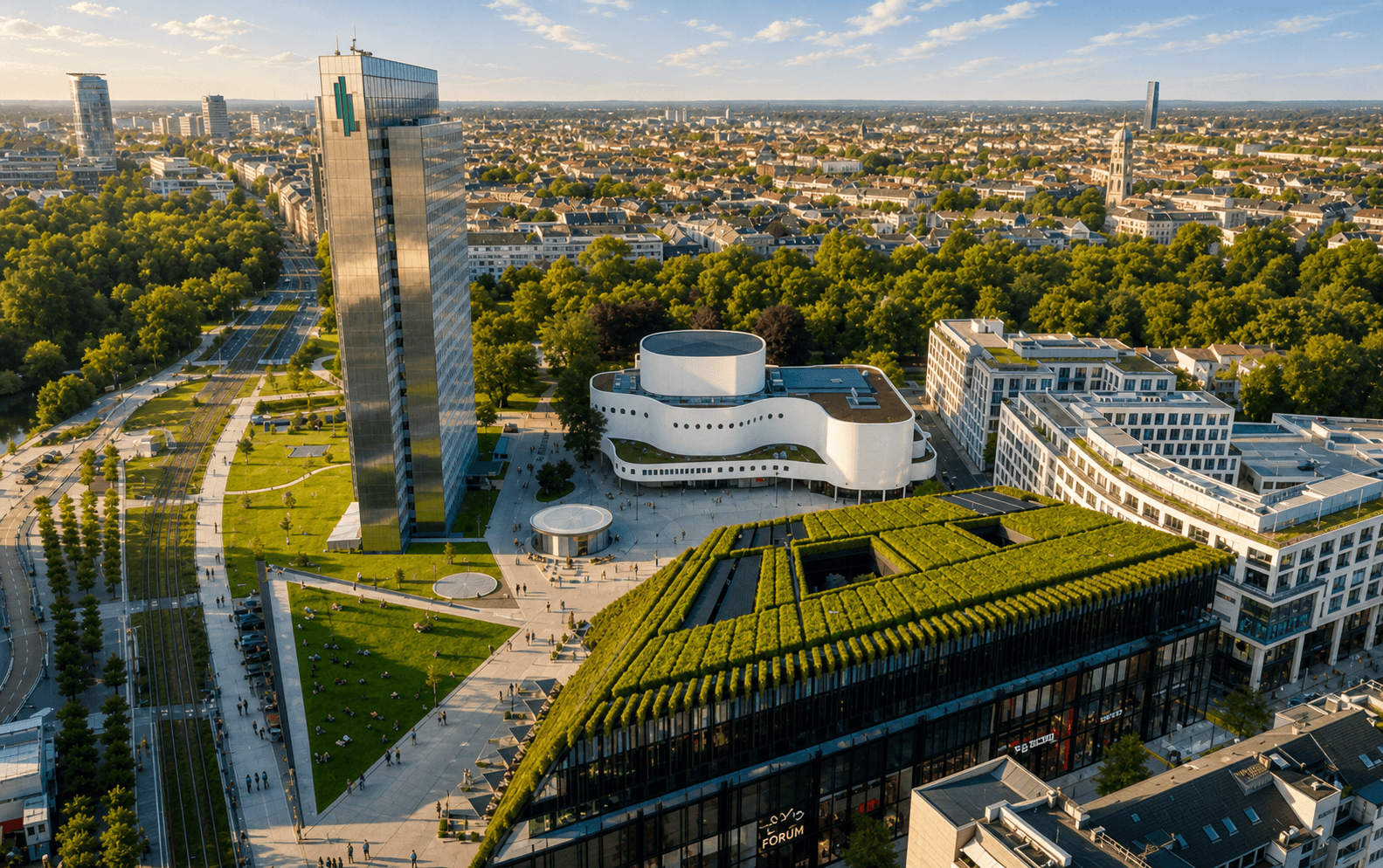
In April 2026, Düsseldorf's administration set the stage for improved governance, digital processes, and inclusive structures in several committees. The Disability Council, the Committee for Suggestions and Complaints, and the Committee for Digitalization, Personnel, and Organization were at the center of attention.
Governance and Administration: Düsseldorf in April 2026
In April 2026, Düsseldorf's administration set impulses for improved governance, digital processes, and inclusive structures in several committees. Numerous meetings, inquiries, and motions showed how the city is responding to current challenges – whether in disability self-help, digitalization, or administrative processing. The topics ranged from statistics on people with disabilities to barrier-free access in public toilets and the fiber-optic network rollout rate.
The Disability Council: Statistics, Structure, and Participation
The Düsseldorf Disability Council met on April 20, 2026, and addressed several central topics. A central motion was the regular submission of up-to-date statistical data on the situation of people with disabilities in the city.
The data shows that the number of people with a certificate of severe disability increased by almost 5% between 2019 and 2023 – especially among women and those with multiple disabilities. These figures are crucial for reviewing and replanning political measures. The Disability Council criticized the current Inclusion Plan from 2016 for being based on outdated data and therefore demanded an annual statistical analysis.
In addition, a motion on the barrier-free equipment of city toilets was discussed. The administration confirmed that Braille writing on the modular toilet installations had been correctly implemented, but signs in the outdoor areas had not yet been installed due to delivery difficulties. These points show how sensitive and specific the Disability Council is in responding to the everyday lives of people with disabilities.
Digitalization: Optimizing Processes, but Also Mastering Challenges
The Committee for Digitalization, Personnel, and Organization met on April 16, 2026, and discussed the further development of the digital strategy. A key focus was the introduction of the workflow tool ServiceNow, which will digitally map applications, approvals, and authorizations starting in 2026. The goal is to replace paper-based processes and increase usability – for example, through simple language, single sign-on, and intuitive user interfaces.
Another topic was the fiber-optic network rollout, which has been significantly delayed: The target of a 50% coverage rate by the end of 2025 was not achieved, but only 44.8%. The administration explained this with changed economic conditions, higher construction costs, and the lack of binding rollout targets from the network operators. Nevertheless, the rollout is supported through digital application procedures and site inspections.
There were also developments in the personnel area: 233.76 new VZÄ positions were created in 2026, of which 225.26 VZÄ were funded by third-party funds. However, the filling of these positions was complex due to the late budget decision, and many procedures had already been initiated beforehand.
Committees for Complaints and Suggestions: Involving Citizens, Making Decisions Transparent
The Committee for Suggestions and Complaints met on April 30, 2026, and discussed a variety of topics derived from citizen input. These included bicycle and pedestrian traffic, changing tables in public buildings, access roads to properties, construction site coordination, and parking at Pritschauhof.
Special attention was given to the renaming of Wissmannstraße, where QR codes for information dissemination were still considered suitable – an information stele, however, will not be installed. This shows how the city deals with historical topics while also involving citizens in the process.
In addition, a motion on traffic calming in Unterdorfstraße was discussed, where the installation of speed display signs (GAT) was not possible. Instead, alternative solutions were considered. This decision emphasizes how carefully the city handles traffic issues while also prioritizing safety and quality of life.
Outlook: Governance as a Process of Continuous Optimization
The meetings of the past weeks show that governance in Düsseldorf is a dynamic process based on transparency, citizen participation, and innovation. The administration is working on digitalization, inclusion, and complaint processing – topics that are more interconnected than ever.
In May 2026, it will likely be about the implementation of the adopted measures – for example, digitalization in the housing allowance office or the filling of new positions. In addition, the Disability Council will continue to monitor the implementation of the statistical data, and the Committee for Suggestions and Complaints will continue to serve as a link between the administration and the citizens.
The challenges remain – whether in the fiber-optic infrastructure or in personnel planning. Nevertheless, the work of the past weeks shows that Düsseldorf is on the right path to making governance and administration more transparent, inclusive, and efficient.
NeoSearch analyses public council documents, committee minutes and municipal announcements. Source references appear automatically once verified meeting data is available.
What does this mean for businesses?
Town halls, fire stations, depots and administrative buildings create early construction and refurbishment opportunities. Following council agendas reveals projects before they go to tender.
Track similar decisions in your region
Set up monitoring for public buildings & administration in Nordrhein-Westfalen — prefilled from this article.
Set up monitoring →More signals from Duesseldorf
Educational Policy in Düsseldorf: Safety, Capacity, and Innovation in Focus
In April 2026, educational policy in Düsseldorf focused on safety issues, capacity expansion at special needs schools, and innovative projects to prevent school avoidance. The School Committee addressed central challenges and reform approaches that will shape the future of the educational system in the state capital.
Read more → Youth Policy in Düsseldorf: Focus on Psychosocial Support, Democracy, and Poverty Reduction in April 2026
In April 2026, Düsseldorf has taken several key steps in youth policy. From psychosocial support for young people to the implementation of democracy projects and the fight against child poverty: The Youth Welfare Committee is setting impulses for a resilient and livable city for young people.
Read more → Düsseldorf's Integration and Housing Policy in April 2026: Focus on Participation, Antiracism, and Legal Security
In an intense April 2026, Düsseldorf took decisive steps in integration and social policy. The focus was on issues such as antiracism, linguistic and social integration, legal security in homeless shelters, and the strengthening of migrant organizations. The Committee for Equal Opportunities and Integration made key decisions that will shape future policy.
Read more →