Urban Development in Dortmund: Major Projects, Sustainability, and Climate Adaptation in January 2026
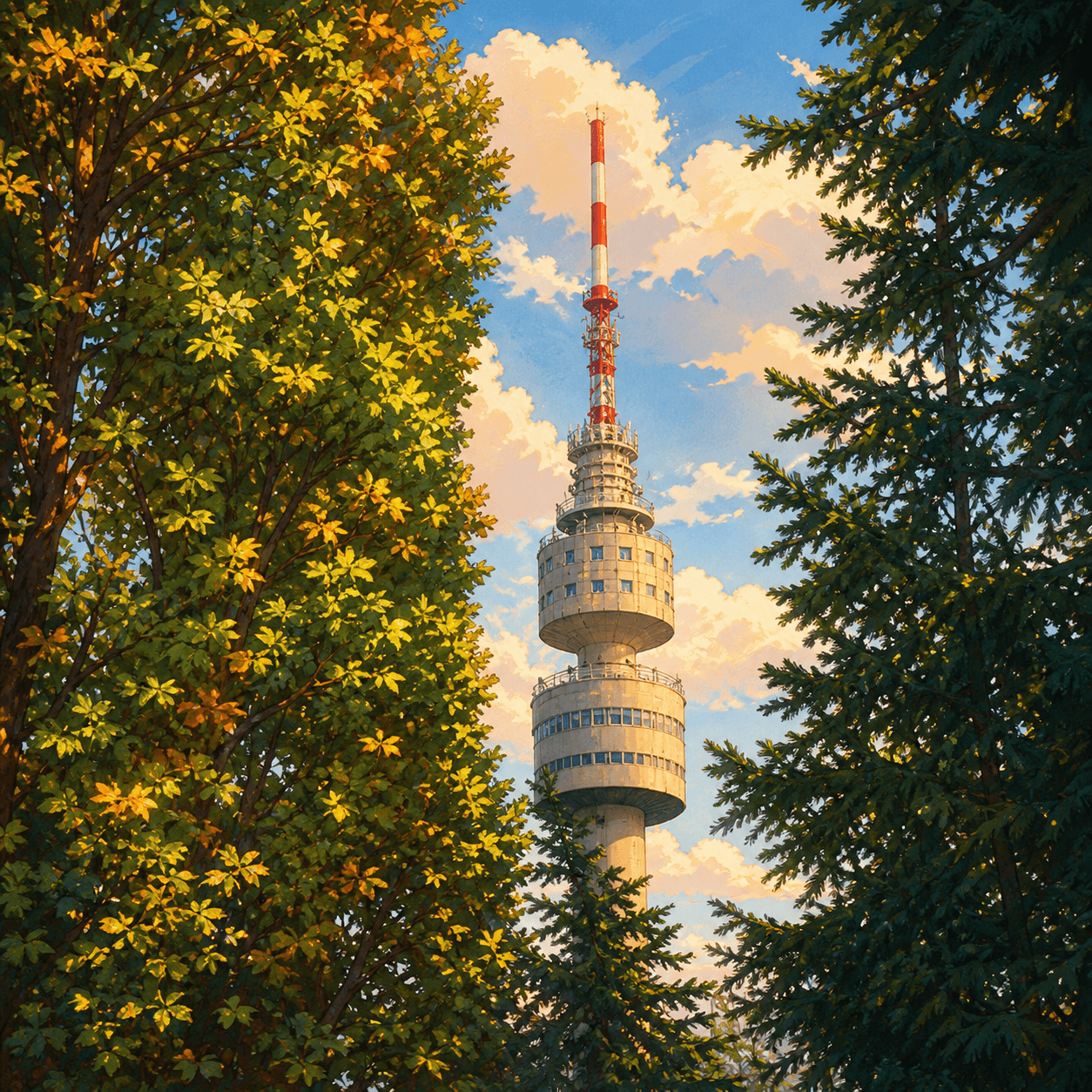
In January 2026, Dortmund focused intensively on urban development and construction planning. Major projects such as the IGA 2027, the Borussia Football Park, and sustainable city renewal were in the spotlight. We analyze the political decisions, backgrounds, and implications.
Urban Development in Dortmund: Major Projects and Climate Protection in Focus
In January 2026, Dortmund set standards in urban development. With the preparation for the IGA 2027, the expansion of the Borussia Football Park, and a range of sustainable construction measures, it became clear: The city is pursuing a clear path toward climate protection, social justice, and future-oriented infrastructure. The decisions reflect both strategic planning and current challenges.
The IGA 2027 – A Project with Regional Influence
The IGA 2027 is not only a showcase for Dortmund but also a central building block in regional development. With a total budget of 61.2 million euros, of which 19.6 million euros come from the city's own contribution, the project is also financially ambitious.
The FuturGarten in Huckarde, with an exhibition area of 46 hectares, is the centerpiece of the project. Particularly noteworthy is the Kokereipark, which will serve as a permanently accessible green and recreation area once completed in Q4 2026. With lighting on the paths, a water garden, sports areas, and the sculpture "Wolke," the park promotes not only culture but also movement and relaxation.
The Haldensprung Bridge, a 160-meter pedestrian and cycling bridge, is another milestone. It will be completed in January 2026 and create a crucial connection in local transport between the districts. The financing comes from urban development funding, IGA special funds, and local mobility promotion, showing how closely different funding programs are interlinked.
Another important element is the integration of climate change into planning. The IGA will not only be seen as a cultural event but also as a pilot project for climate adaptation. With temporary seating areas, 1,300 bicycle parking spaces, and barrier-free stations, local mobility is actively promoted.
The Borussia Football Park – Sport, Infrastructure, and the Environment
The Borussia Football Park is not only a symbol for sports but also a central element of the city's construction planning. With the amendment of the zoning plan Br 217 and the 87th amendment to the land use plan, the site is being further developed. A youth performance center, a professional facility, and ten sports fields are part of the expansion.
Sustainability plays a central role. Solar panels with a capacity of 2,262 kWp are to cover the majority of the energy demand. In addition, an extensive green roof is required – a clear signal for climate adaptation. The environmental assessment has shown that 27,673 ecological habitat points must be compensated for, which will be done through external measures in the private eco-account "Am Zitter."
Clear guidelines have also been set in the area of noise protection and lighting technology. The floodlight masts may only be operated between 6:00 and 22:00, and insect-friendly lighting technology is required. These measures show how sensitively the city is dealing with its environment.
Climate Protection and Sustainability – More Than Just a Guideline
Climate protection is not just a buzzword in Dortmund but a fixed part of construction planning. The integration of climate change measures is mandatory in zoning plans (§ 1 Abs. 5 BauGB). The city is following a holistic approach that goes beyond CO2 reduction.
Stormwater retention basins and cisterns are integrated into construction projects to manage heavy rain events. Green roofs are mandatory in the IGA region and the football park, and biodiversity is actively promoted. Flower meadows, reed vegetation, and insect-friendly lighting are part of the planning.
Another important project is the renovation of the Botanical Garden in the Rombergpark, where the greenhouses are being designed in an energy-efficient and sustainable way. This project will be completed in June 2026 and is another step toward climate neutrality by 2035.
The Future of Urban Development: Transparent Participation and Long-Term Planning
Dortmund has also made progress in public participation. With the participation platform "My Garden" and the inclusion of over 60 gardens in 20 cities, civic participation is actively strengthened. In the meetings of the Dortmund City Council, clear guidelines were also set for the building permit procedures and draft plans to ensure transparency and legal certainty.
The Urban Planning and Building Authority is the central contact point for all construction projects. Here, construction planning is not the only focus – gender-sensitive planning and barrier-free design are also emphasized. The city is setting standards for sustainable and inclusive urban development.
Conclusion: Dortmund as a Pioneer in Sustainable Urban Development
The decisions of January 2026 show that Dortmund is not only relying on major projects like the IGA 2027 but also acting sustainably and future-oriented in daily urban development. The integration of climate protection, infrastructure, and social cohesion makes the city a pioneer in the urban space.
In 2026, it will become clear whether these ambitions hold up in practice. But already now it is clear: Dortmund has chosen a clear course – away from land sealing and toward a vibrant, green, and socially cohesive city.
NeoSearch analyses public council documents, committee minutes and municipal announcements. Source references appear automatically once verified meeting data is available.
What does this mean for businesses?
Urban development, zoning plans and commercial settlements create early construction and supply opportunities. Following council decisions reveals projects before they go to tender.
Track similar decisions in your region
Set up monitoring for economic development in Nordrhein-Westfalen — prefilled from this article.
Set up monitoring →More signals from Dortmund
Dortmund's Culture and Community Policy in April 2026: From Memorial Space to eSports
April 2026 was marked in Dortmund by significant decisions in the field of culture and community. From the creation of a memorial space in the Nordstadt district library to the promotion of eSports, as well as the future of the zoo and sports vouchers for children—the city is setting impulses for inclusion, remembrance, and cultural diversity.
Read more → Dortmund's Finances and Budget – A Look at the Budget Planning and Decisions in April 2026
April 2026 was a month of intensive budget decisions in Dortmund. Numerous reports and resolutions from the Innenstadt-Ost district committee shed light on the city's financial planning, investments, and expenditures. This blog post analyzes the most important developments in the field of finance and budgeting.
Read more → Youth Policy in Dortmund: School-to-Work Transition and Health Promotion in Focus
In April 2026, youth issues were at the center of attention in Dortmund, particularly the school-to-work transition and health promotion measures. We analyze the current developments, background, and challenges.
Read more →