Dortmund's Environmental and Climate Protection 2026: Progress, Challenges, and the Path Forward
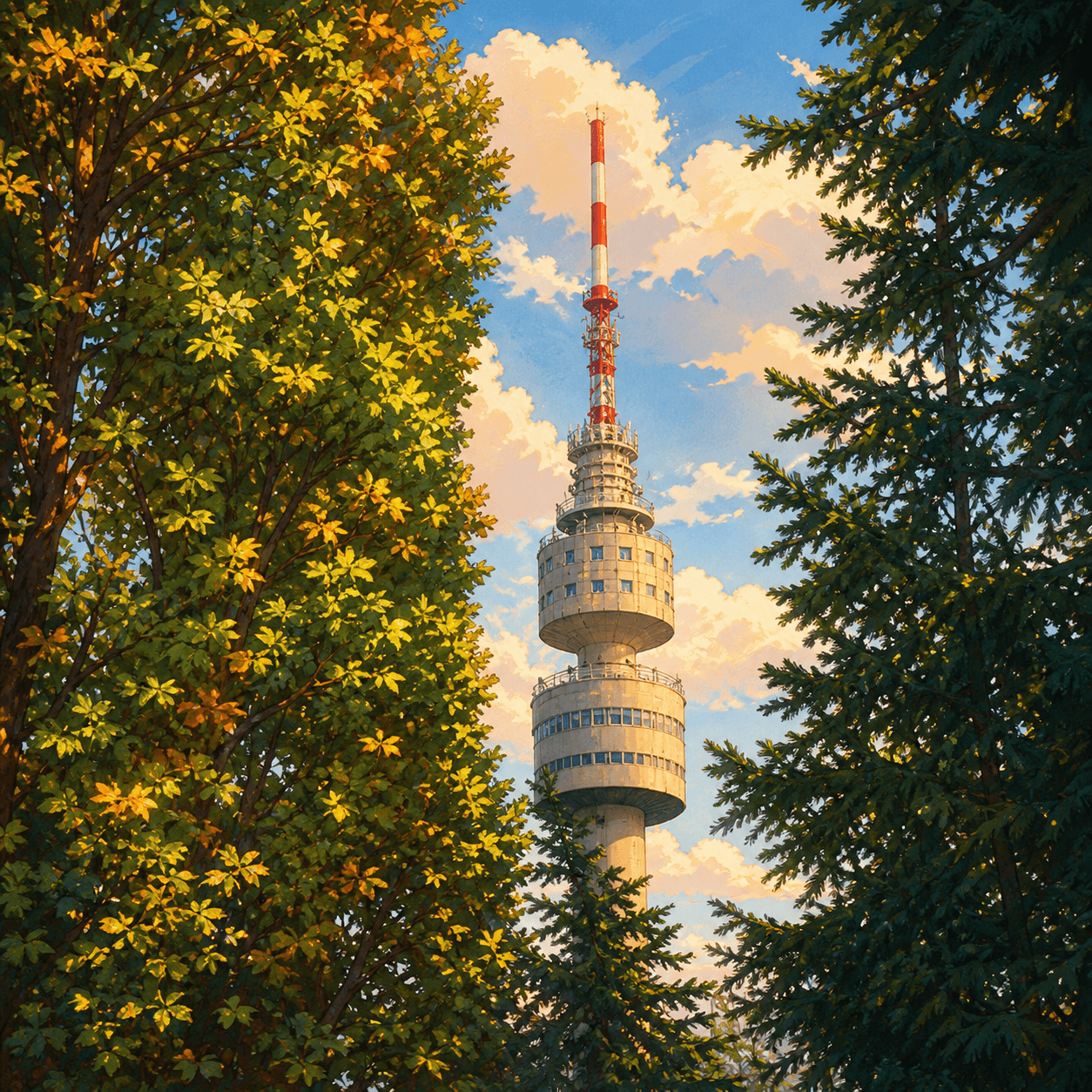
In January 2026, Dortmund demonstrates how the city is progressing on its way to climate neutrality by 2035. The focus lies on energy efficiency, renewable energies, green infrastructure, and education. Nevertheless, hurdles such as rising energy costs and the complexity of implementation remain.
Dortmund's Climate Protection in January 2026: Between Progress and Challenges
The city of Dortmund has set the ambitious goal of becoming climate-neutral by 2035. In January 2026, the first concrete results begin to show, illustrating how far the city has already come – and where it still needs to go. A combination of energy efficiency measures, the expansion of renewable energy, green space planning, and educational initiatives form the core of Dortmund's climate protection strategy as a Westphalian metropolis.
1. Energy Efficiency: Successes and Rising Costs
Over the past few years, the city has consistently focused on energy efficiency. More than 1,500 municipal buildings are monitored in an energy management system that analyzes the consumption of heat, electricity, and water. Building automation, which uses digital control to reduce heat consumption, already saved 360,000 euros in 2024. Additionally, heat consumption indicators dropped from 99 to 86 kWh/(m²·a), a significant improvement.
However, these successes are overshadowed by rising costs. In 2026, energy costs increased by 20.62 percent to 32.574 million euros, mainly due to high heating costs (+35.4%) and the removal of energy price caps. The path to climate neutrality is becoming increasingly expensive – and therefore more politically sensitive.
2. Renewable Energies: Photovoltaics, Heat Pumps, and District Heating
Another key focus of the climate protection strategy is the expansion of renewable energies. The city uses photovoltaics on municipal rooftops, with 182 installations already in place by 2024. These produce 1.86 million kilowatt-hours of electricity annually, covering 5 percent of the city's electricity demand. The CO₂ savings from these installations amount to 1,719 tons per year.
In addition, 305 kW electrical combined heat and power (CHP) units are in operation, generating both heat and electricity simultaneously. In the future, Dortmund plans to expand its district heating network to connect more buildings to the climate-friendly heating system.
3. Green Spaces and Biodiversity: IGA 2027 as a Showcase
The International Garden Exhibition (IGA) 2027 is a central element of the city's climate protection and green space strategy. With a budget of 46.4 million euros, of which 26.7 million euros are in grants, a Future Garden with 46 hectares is being created to serve as a recreational area and climate protection project. The Kokereipark and the Deusenberg are being integrated into the project and will become green retreats within the city.
The goal is not only to create flowering areas and wildflower meadows, but also to promote biodiversity. Projects such as the floating shore vegetation islands at the zoo or aquaponics in the food chain demonstrate how Dortmund combines nature and technology.
4. Education and Participation: Climate Protection for All
Another aspect of climate policy is education and participation. Since 1997, the city has supported climate protection in kindergartens and schools through the "Environmental Awareness School" and "Environmental Awareness Kindergarten" programs. In 2024, 10 kindergartens were awarded, 29 schools participated in the program, and 86,800 euros in cost savings were achieved.
In addition, the city supports the "My Garden" program, which promotes over 120 green projects in the region. The Open Garden Gate Ruhr Area and the funding program "Querbeet Dortmund" until 2029 show how the city involves its residents in climate protection.
5. Challenges and Outlook
Despite these advances, challenges remain. Rising energy costs, the complexity of urban planning under climate protection considerations, and the management of climate change impacts such as heat islands and heavy rainfall are central issues. The modernization of street lighting with LED technology is another priority, to be completed by 2027.
In addition, climate adaptation in urban development planning is a key aspect that must be considered more intensively in the future. The integration of biodiversity measures into construction planning and the avoidance of habitat loss through compensatory measures remain challenges.
Conclusion: A Path That Is Far from Over
Dortmund is moving forward on the path to climate neutrality – with successes in energy efficiency, green space planning, and education. However, the challenges remain significant. In the coming years, the city must not only manage costs but also ensure the long-term effectiveness of its climate protection measures. The IGA 2027 offers a unique opportunity to make the city's climate protection strategy visible and to set impulses for the entire Ruhr region.
NeoSearch analyses public council documents, committee minutes and municipal announcements. Source references appear automatically once verified meeting data is available.
What does this mean for businesses?
Municipal heat planning, photovoltaics and climate measures create early project indicators. Following council decisions surfaces sites and tenders before they are publicly advertised.
Track similar decisions in your region
Set up monitoring for environment & climate in Nordrhein-Westfalen — prefilled from this article.
Set up monitoring →More signals from Dortmund
Dortmund's Culture and Community Policy in April 2026: From Memorial Space to eSports
April 2026 was marked in Dortmund by significant decisions in the field of culture and community. From the creation of a memorial space in the Nordstadt district library to the promotion of eSports, as well as the future of the zoo and sports vouchers for children—the city is setting impulses for inclusion, remembrance, and cultural diversity.
Read more → Dortmund's Finances and Budget – A Look at the Budget Planning and Decisions in April 2026
April 2026 was a month of intensive budget decisions in Dortmund. Numerous reports and resolutions from the Innenstadt-Ost district committee shed light on the city's financial planning, investments, and expenditures. This blog post analyzes the most important developments in the field of finance and budgeting.
Read more → Youth Policy in Dortmund: School-to-Work Transition and Health Promotion in Focus
In April 2026, youth issues were at the center of attention in Dortmund, particularly the school-to-work transition and health promotion measures. We analyze the current developments, background, and challenges.
Read more →