Dortmund's Urban Transformation: Focus on Mobility, Climate, and Investments in February 2026
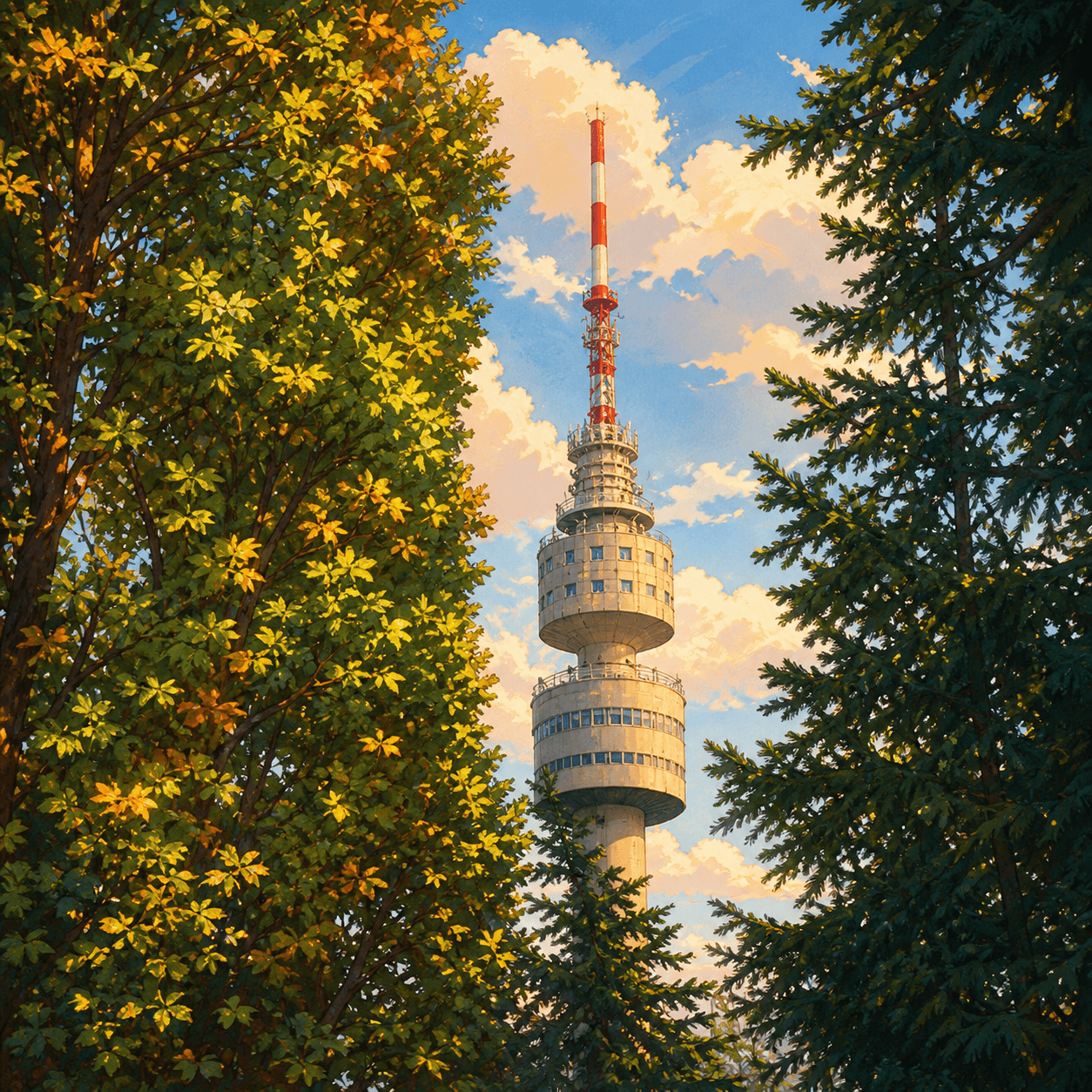
In February 2026, Dortmund will place greater emphasis on sustainable transportation planning, climate protection, and investments in urban infrastructure. From veloroutes to the Ruhr Cycle Superhighway and the IGA 2027 – the city is pursuing clear goals for enhanced quality of life and climate neutrality.
Dortmund's Urban Transformation: Focus on Mobility, Climate, and Investments in February 2026
The city of Dortmund has established itself in recent years as a pioneer in urban transformation. In February 2026, it will place greater emphasis on sustainable transportation planning, climate protection, and investments in urban infrastructure. The topics of mobility, climate, and investments dominate the urban development discourse – not least in the run-up to IGA 2027. Beyond the International Garden Exhibition, it also becomes evident how strongly the city is investing in its future.
Mobility: Cycling as a Key to Climate Compatibility
Dortmund is focusing on the expansion of cycling in its mobility planning. The Veloroute 1 in Eving is a prime example of this strategy. With an investment of 650,000 euros and funding of up to 80% from municipal guidelines and the European Regional Development Fund (ERDF), an 810-meter section of the route will be realized. The goal is not only to improve cycling connectivity but also to significantly reduce CO₂ emissions and noise pollution.
Another central project is the Ruhr Cycle Superhighway (RS1), currently under construction in the section from Sonnenstraße (Arneckestraße to Chemnitzer Straße). With an investment of 5.5 million euros and 850,000 euros in funding from the North Rhine-Westphalia Local Mobility Program, the RS1 is a key component of the Mobility 2030 Master Plan. The aim is to increase the share of cycling to 20% by 2030 – an ambitious goal that Dortmund is pursuing through concrete measures such as bike streets, barrier-free crossings, and renewed road markings.
The bus gate "Am Kai" is another project to be implemented in the second quarter of 2026. With an investment of 350,000 euros, the project aims to curb the "racer and poser" culture and improve safety in the car traffic area – while also optimizing public transport connections.
Climate Protection and Sustainability: Integration into Urban Planning
Climate protection is no longer a peripheral issue in Dortmund but an integral part of urban development decisions. The IGA 2027 is a central project in this context, going far beyond a garden exhibition. With total costs of 61.2 million euros and funding of 26.7 million euros (58%), the International Garden Exhibition is also used as a platform for climate protection and sustainability. Renewable energy, wildflower meadows, and climate-friendly construction are fixed elements of the planning.
The renovation of the Hardenberg outdoor pool is another example of climate protection planning. With investments in green roofs, solar thermal energy, photovoltaics, and electric vehicle charging stations, Dortmund is focusing on sustainable infrastructure. The funding comes from a federal program that covers up to 45% of the costs – a model that can also be applied to other municipal buildings.
The city's inner-city development strategy also aims to reduce the rate of new land development and strengthen green infrastructure. With four building blocks – land potential, urban structure analysis, guideline development, and interdisciplinary cooperation – a "multiple inner development" is pursued. The strategy is planned until the end of 2027 and will be implemented without additional financial resources.
Investments and Finance: More than 5 Billion Euros for the Future
The financial foundation for Dortmund's urban ambitions is significant. With an investment budget of approximately 5 billion euros for the construction agenda from 2026 to 2027, the city is focusing on priorities. The central office "Dortmund 2035" plays a key role here, particularly in the focus on school construction with 600 million euros.
The IGA 2027 is associated with a financial framework of 83.8 million euros, with Dortmund contributing 9.45 million euros. The city has also allocated a risk buffer of 5 million euros – a sign of the seriousness of the planning.
Further investments include the expansion of fiber-optic and mobile networks, funded by more than 210,000 euros from North Rhine-Westphalia funding. Two temporary project assignments aim to accelerate planning and strengthen digital infrastructure. The goal is to secure the city's attractiveness – a necessary measure in the digital transformation.
Outlook: Dortmund as a Model City for Sustainability
The urban measures in February 2026 show how strongly Dortmund is looking toward a sustainable, climate-friendly, and investment-oriented future. With projects such as IGA 2027, Veloroute 1, the Ruhr Cycle Superhighway, and the inner-city development strategy, the city is not only investing quantitatively but also planning qualitatively. The integration of climate protection, mobility, and digitization into urban processes makes Dortmund a role model in German urban development.
NeoSearch analyses public council documents, committee minutes and municipal announcements. Source references appear automatically once verified meeting data is available.
What does this mean for businesses?
Urban development, zoning plans and commercial settlements create early construction and supply opportunities. Following council decisions reveals projects before they go to tender.
Track similar decisions in your region
Set up monitoring for economic development in Nordrhein-Westfalen — prefilled from this article.
Set up monitoring →More signals from Dortmund
Dortmund's Culture and Community Policy in April 2026: From Memorial Space to eSports
April 2026 was marked in Dortmund by significant decisions in the field of culture and community. From the creation of a memorial space in the Nordstadt district library to the promotion of eSports, as well as the future of the zoo and sports vouchers for children—the city is setting impulses for inclusion, remembrance, and cultural diversity.
Read more → Dortmund's Finances and Budget – A Look at the Budget Planning and Decisions in April 2026
April 2026 was a month of intensive budget decisions in Dortmund. Numerous reports and resolutions from the Innenstadt-Ost district committee shed light on the city's financial planning, investments, and expenditures. This blog post analyzes the most important developments in the field of finance and budgeting.
Read more → Youth Policy in Dortmund: School-to-Work Transition and Health Promotion in Focus
In April 2026, youth issues were at the center of attention in Dortmund, particularly the school-to-work transition and health promotion measures. We analyze the current developments, background, and challenges.
Read more →