Housing and Integration in Bonn – April 2026 in Focus
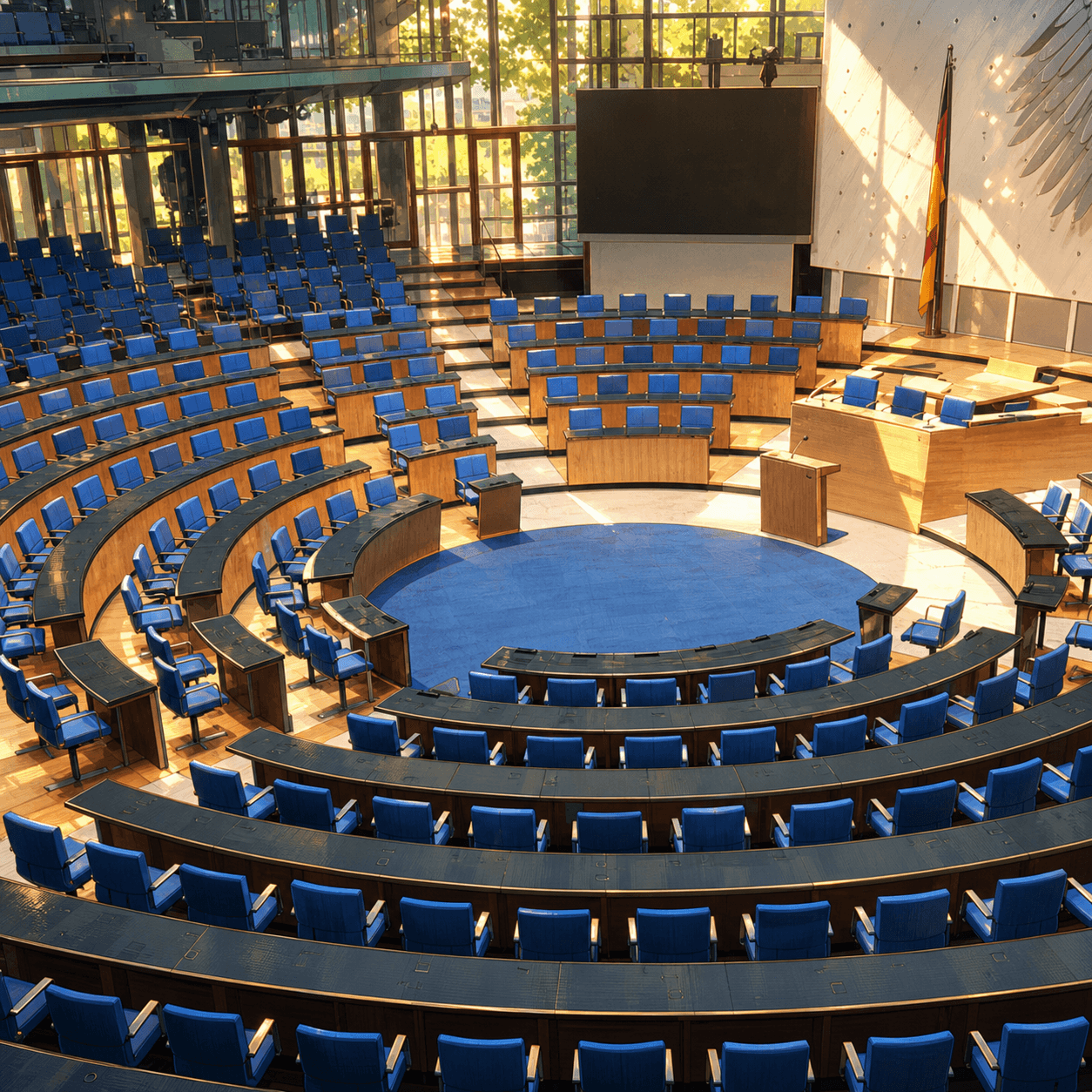
April 2026 in Bonn was marked by intense discussions and decisions on housing policy, integration, and social justice. The committees addressed topics such as rent indices, support for social projects, volunteerism, and the future of integration courses. This blog analyzes the most significant developments.
Housing and Integration in Bonn: Decisions and Debates of April 2026
In April 2026, Bonn demonstrated itself as a city committed to social responsibility and open integration. In the sessions of the Council and its committees, topics such as housing supply, integration courses, volunteer support, and the assistance of displaced individuals were central. These decisions not only reflect political priorities but also the social responsibility of Bonn in a time when integration and social security are crucial for the city's future viability.
Housing Supply and Rent Index: Renewal with Impacts
The renewal of the Bonn Rent Index for 2026 was one of the central decisions of the month. The rent index, which came into effect on July 1, 2026, serves as an instrument for transparency and fairness in the housing market. It helps tenants to inform themselves about market-based rents and supports landlords in their calculations.
In addition, it was unanimously decided to continue the program for the promotion of socially oriented housing projects. This program supports projects characterized by non-profit or social structures, thereby contributing to the availability of affordable housing. Particularly noteworthy is the state-wide continuation of the "Missimo" project, which aims to shape the housing market in an innovative and sustainable way.
Another key point was the amendment of the application for the "Housing First" model. This approach focuses on securing a permanent residence as the first step in the integration of people in housing need. The application was passed with amendments, showing that Bonn is willing to test alternative models for poverty reduction, even if they are politically controversial.
Integration and Education: Structural Challenges
Integration policy in Bonn was under pressure, particularly due to the debate about possible cuts to integration courses. A resolution against such cuts was passed unanimously, with only four opposing votes. This underscores the broad agreement in the Council on the importance of these courses for labor market integration.
The Greens submitted a major inquiry targeting potential budget cuts for integration courses and the promotion of multilingualism in kindergartens. Both inquiries were postponed, suggesting a political strategy that does not intend to resolve these issues conclusively within the current legislative period.
Another central point was the discussion about access to integration courses for various groups: tolerated individuals, asylum seekers, people fleeing from Ukraine, and EU citizens. The question of whether and how these groups can access the courses remains a compelling topic that continues to challenge the city of Bonn.
Social Projects and Volunteerism: Pillars of Integration
Social projects and volunteerism play a crucial role in integration policy. In April 2026, several projects were continued or newly decided, including:
- The "NewComer" project by Familienkreises e.V., which supports displaced individuals in integrating into society.
- The continuation of the "Rucksack KiTa" program, which supports families with children in adapting to kindergarten.
- The support for the Evangelical Migration and Refugee Work in Bonn, which advocates for integration.
- The "Champs Bonn – For Democracy and Human Rights" project by the association HennaMond e.V., which is committed to political education and participation.
Church institutions such as the Catholic Parishes St. Maria Magdalena and Christi Auferstehung also received subsidies for voluntary support of displaced individuals. These projects show how important the cooperation between the city, civil society, and church organizations is in mastering the challenges of migration.
Outlook: Integration as a Future-Oriented Project
April 2026 has shown that Bonn consciously supports an open, integrative, and socially just policy. The decisions and debates not only reflect the current situation but also the long-term goals of the city, which sees itself as a model for other municipalities in Germany.
The challenges remain significant, especially in the areas of housing supply and the funding of integration courses. Nevertheless, Bonn has clearly demonstrated its willingness to stand up for integration and social justice through the renewal of the rent index, the support of social projects, and the enforcement of the resolution against cuts.
In the coming months, it will be interesting to observe how the postponed inquiries and debates continue to develop and what new projects and initiatives Bonn will launch.
NeoSearch analyses public council documents, committee minutes and municipal announcements. Source references appear automatically once verified meeting data is available.
What does this mean for businesses?
Schools, daycare centres and public buildings create early planning and construction opportunities. Following council agendas surfaces tenders for refurbishment, new builds and fit-out months before the official award — from shell construction to specialist planning to furnishing.
Track similar decisions in your region
Set up monitoring for education & public facilities in Nordrhein-Westfalen — prefilled from this article.
Set up monitoring →More signals from Bonn
Bonn Sport Policy 2026: Expansion, Modernization and Inclusion in Focus
In May and June 2026, the federal city of Bonn made numerous decisions in the area of sport that strengthen both sports infrastructure and social inclusion. The Sports Committee approved investments in new sports facilities, renovation measures and support for events – all milestones for the future of sports development in Bonn.
Read more → Economic and Urban Development in Bonn: Decisions and Debates in the Second Quarter of 2026
In May and June 2026, the Committee for Economy, Properties, and Labour in Bonn made several key decisions concerning economic development and public space safety. Discussions around initiatives such as "Safe Cities" and the implementation of the ISEK Bad Godesberg Downtown project illustrate the complexity of urban development challenges.
Read more → Security in Crisis: Bonn Moving Toward Resilience
In May and June 2026, Bonn focused on security, disaster protection, and the impact of infrastructure bottlenecks on emergency services. The Committee for Safety, Order, and Civil Protection discussed multiple times on preventive measures, investments, and cooperation strategies to make the city future-ready.
Read more →