Security in Crisis: Bonn Moving Toward Resilience
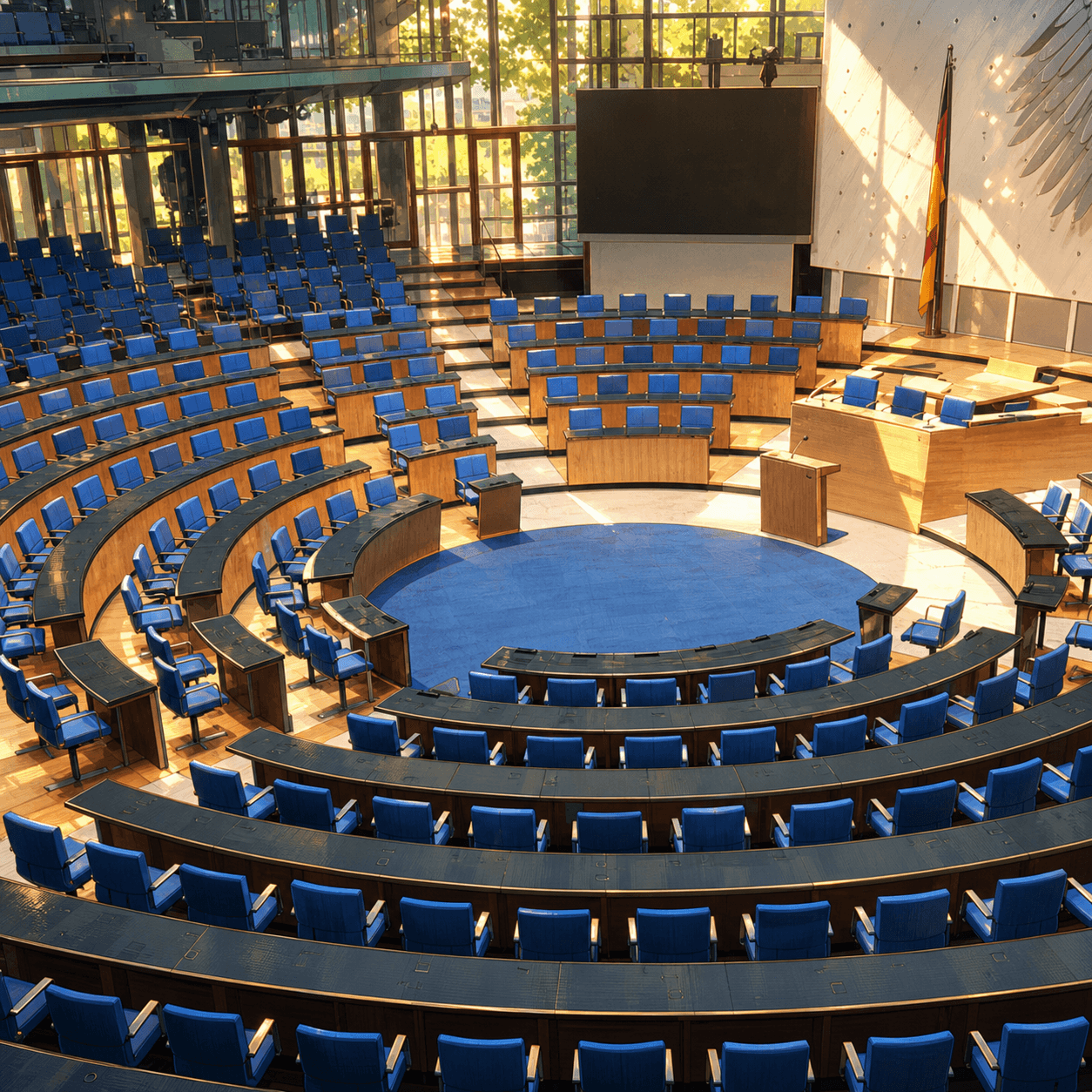
In May and June 2026, Bonn focused on security, disaster protection, and the impact of infrastructure bottlenecks on emergency services. The Committee for Safety, Order, and Civil Protection discussed multiple times on preventive measures, investments, and cooperation strategies to make the city future-ready.
Safety, Order, and Resilience: Bonn in Security Action Mode
In the months of May and June 2026, the safety of citizens and the stability of municipal infrastructure were central to numerous political discussions in Bonn. The Committee for Safety, Order, and Civil Protection engaged in in-depth discussions on topics such as crime development, disaster preparedness, water supply security, and emergency service capacities. At the same time, measures to improve the city's resilience were presented – a term that is gaining increasing importance in Bonn.
Prevention and Coordination: Safety Situation in Bonn-Tannenbusch
One of the central topic areas was the safety situation in the district of Bonn-Tannenbusch. In a major inquiry by the BSW/SBI parliamentary group, specific questions were raised regarding crime development, youth crime, drug trade, and police presence. The administration confirmed that the district is characterized by social and order-related challenges, with the police actively engaging in preventive measures within the NRW initiative "Kurve kriegen" as well as through projects such as "Push" and youth contact officers. However, there are currently no joint patrols with the municipal authority and no specific presence concept for Tannenbusch. The committee acknowledged the inquiry on June 25, 2026, with the administration noting that concrete recommendations will be submitted at a later date.
Disaster Protection and Resilience: Bonn is Investing in Preparedness
Basic issues regarding the city's resilience were also addressed in the security committee. The cooperation proposal for the development of a resilience strategy for the City of Bonn and the proposal to outline the fundamentals of Bonn's civil protection clearly showed that Bonn is preparing for long-term risks such as extreme weather events or disasters. In this context, specific investments in the equipment of emergency services were also discussed: A procurement process for the renewal of digital radio alarm receivers for the fire department and emergency services is planned. In addition, the city of Bonn intends to award a four-year service contract for laundry and leasing services as well as the supply of medical consumables for the emergency service.
Critical Infrastructure: Hospitals and Water Supply
Another important topic was the supply security of Bonn's hospitals, particularly in terms of water supply. The FDP submitted a major inquiry on this topic, which examined the hospitals' dependence on drinking water supply and its stability under crisis scenarios. The administration confirmed that hospitals, as critical infrastructure (KRITIS), react particularly sensitively to water outages. Although there are emergency plans and redundant systems, the administration sees room for improvement. A revised concept for emergency water supply, which will also include Bonn's hospitals, is currently being developed.
Emergency Services Under Pressure: Billing and Capacities
Another focus was the functionality of the emergency services. The Greens submitted an inquiry regarding billing in the fire department, which showed a backlog of up to 30 million euros. The administration confirmed that measures to increase efficiency were adopted in the Fire Protection Needs Plan 2025–2029, including the introduction of new software and additional staff in the billing department. Additionally, questions were raised regarding hospital admission capacities in the context of civil defense – a topic on which the administration could not provide detailed information due to confidentiality obligations.
Outlook: Bonn on the Way to a "Safe City"
Among the forward-looking topics is the so-called "Safe Cities Initiative," a joint proposal by the CDU, SPD, and FDP, presented on May 21, 2026. This initiative aims to develop an integrated security concept that incorporates modern technologies and cooperation between the police, city administration, and civil society. Whether and how this approach will be specifically implemented in Bonn remains to be seen. One thing is clear, however: In the months of May and June 2026, Bonn has clearly demonstrated that security is not just a short-term issue, but a central challenge for the city's future.
NeoSearch analyses public council documents, committee minutes and municipal announcements. Source references appear automatically once verified meeting data is available.
What does this mean for businesses?
Town halls, fire stations, depots and administrative buildings create early construction and refurbishment opportunities. Following council agendas reveals projects before they go to tender.
Track similar decisions in your region
Set up monitoring for public buildings & administration in Nordrhein-Westfalen — prefilled from this article.
Set up monitoring →More signals from Bonn
Bonn Sport Policy 2026: Expansion, Modernization and Inclusion in Focus
In May and June 2026, the federal city of Bonn made numerous decisions in the area of sport that strengthen both sports infrastructure and social inclusion. The Sports Committee approved investments in new sports facilities, renovation measures and support for events – all milestones for the future of sports development in Bonn.
Read more → Economic and Urban Development in Bonn: Decisions and Debates in the Second Quarter of 2026
In May and June 2026, the Committee for Economy, Properties, and Labour in Bonn made several key decisions concerning economic development and public space safety. Discussions around initiatives such as "Safe Cities" and the implementation of the ISEK Bad Godesberg Downtown project illustrate the complexity of urban development challenges.
Read more → Education Policy in Bonn: Focus on Inclusion, Language Support, and School Development
In the second quarter of 2026, Bonn placed key education policy topics at the center of attention. The School Committee intensively addressed the implementation of ABC classes, the provision of special school transportation, and cleaning at municipal schools. Additionally, the role of the German Armed Forces in career orientation events at schools was critically examined.
Read more →