Education Policy in Bonn: Focus on Inclusion, Language Support, and School Development
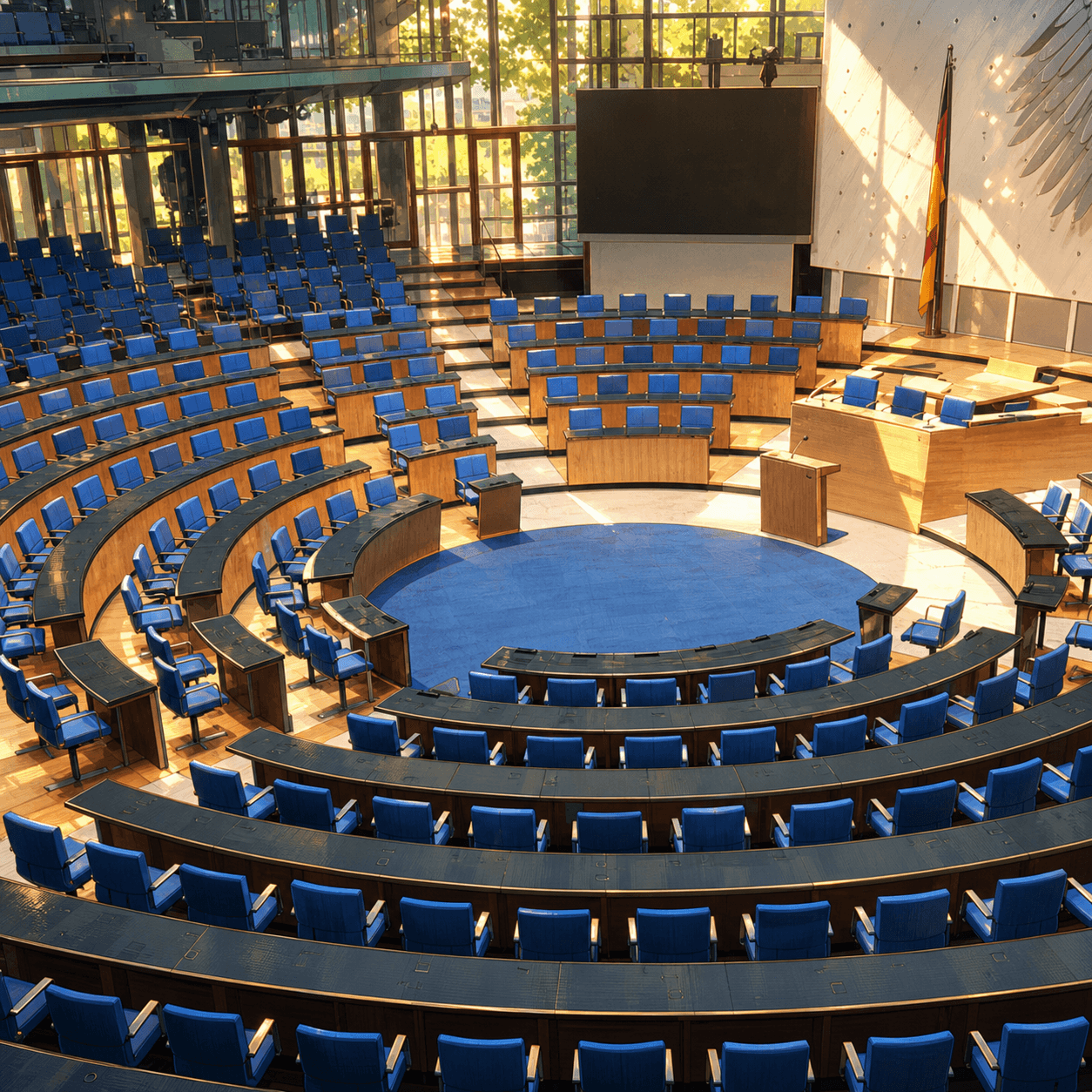
In the second quarter of 2026, Bonn placed key education policy topics at the center of attention. The School Committee intensively addressed the implementation of ABC classes, the provision of special school transportation, and cleaning at municipal schools. Additionally, the role of the German Armed Forces in career orientation events at schools was critically examined.
Education Policy in Bonn: Inclusion, Language Support, and School Development in Focus
In the months of May and June 2026, important decisions and discussions in the areas of education and public institutions were at the forefront in Bonn. The School Committee met decisively on June 3, 2026, and addressed a range of topics affecting both the structure of the educational system and the rights and needs of students. Particular attention was given to the implementation of ABC classes, the quality of special school transportation, and the role of the German Armed Forces in schools.
ABC Classes: Implementation with Infrastructure Challenges
The establishment of ABC classes, a statewide initiative in North Rhine-Westphalia, was a central topic in the School Committee. These classes aim to provide targeted language support for children with insufficient language skills before starting school. According to the administration, however, there are currently insufficient spaces in schools and daycare centers to accommodate the planned classes. Furthermore, there are concerns that transporting children between daycare centers and ABC classes could overload the special school transportation system.
The administration supports the principle of language support but wishes for a solution that generates less administrative workload and is more integrated into existing structures. One proposal is to provide language support directly in daycare centers, where the children are already located.
Special School Transportation: Safety, Quality, and Inclusion
Another central topic was the special school transportation, particularly in terms of safety, quality, and inclusion. According to the administration, a total of 340 students use special school transportation – 20 in integrated education and 320 in special needs schools. In the previous school year, 51 applications for special school transportation were rejected, with the processing time depending on individual review requirements and the availability of transport services.
The safety of the drivers is a central aspect: drivers must submit an extended criminal record check, and companies must ensure that they are trustworthy and qualified. The administration is not aware of any cases in which drivers have behaved inappropriately toward students. Nevertheless, it emphasizes the importance of protection concepts and training, especially through the City of Bonn's Child Protection Network.
Cleaning at Municipal Schools: Hygiene as a Political Issue
A proposal from the BBB faction regarding the cleaning of Bonn's schools was discussed in the School Committee. The administration explained that it had already taken measures to ensure cleaning quality and therefore considered the proposal resolved. Nonetheless, the issue of hygiene in schools remains a central concern for parents and political bodies. The administration was asked to prepare a report on existing problems and measures to address them.
Military Recruitment at Schools: Controversy and Legal Boundaries
Also in focus was the practice of the German Armed Forces in advertising to minors at Bonn schools during events such as the Girls’ and Boys’ Day. A major inquiry from the Left faction questioned the compatibility of this practice with the UN Convention on the Rights of the Child. The city of Bonn forwarded the inquiry to the Cologne Regional Government, as it cannot comment on pedagogical content as the school authority.
The German Armed Forces themselves emphasize that they are not engaged in targeted recruitment but rather aim to be one of many employers present. Nonetheless, there are calls to restrict military advertising in schools. Teachers are required to be present at such events, and youth officers are not allowed to actively recruit. The presentation of the German Armed Forces' positions in class is intended to be balanced with other perspectives.
Previous Developments
In April 2026, Bonn addressed topics such as housing provision, integration, and the support of social projects, with a focus on affordable housing, integration courses, and support for refugees. The city relied on models such as "Housing First" and ongoing funding for socially oriented initiatives. Source
Outlook: Conceptual Decisions for the Future
The decisions and debates of the School Committee in the second quarter of 2026 show how complex the challenges in education policy are. The implementation of ABC classes, the provision of special school transportation, and the discussion about the role of the German Armed Forces in schools reflect the tension between educational goals, legal requirements, and practical constraints.
In the past weeks, Bonn has set the course for the coming years, for example through the development of a concept for a more flexible and legally secure procurement of school books. Additionally, the action "Shade Areas for Schoolyards" will be carried out in 2026 to expand play and movement areas for students.
The challenges remain large, especially regarding infrastructure and resources. Yet, the current debate also shows that Bonn is ready to engage with sensitive topics and develop solutions that consider both the interests of students and societal values.
NeoSearch analyses public council documents, committee minutes and municipal announcements. Source references appear automatically once verified meeting data is available.
What does this mean for businesses?
Schools, daycare centres and public buildings create early planning and construction opportunities. Following council agendas surfaces tenders for refurbishment, new builds and fit-out months before the official award — from shell construction to specialist planning to furnishing.
Track similar decisions in your region
Set up monitoring for education & public facilities in Nordrhein-Westfalen — prefilled from this article.
Set up monitoring →More signals from Bonn
Bonn Sport Policy 2026: Expansion, Modernization and Inclusion in Focus
In May and June 2026, the federal city of Bonn made numerous decisions in the area of sport that strengthen both sports infrastructure and social inclusion. The Sports Committee approved investments in new sports facilities, renovation measures and support for events – all milestones for the future of sports development in Bonn.
Read more → Economic and Urban Development in Bonn: Decisions and Debates in the Second Quarter of 2026
In May and June 2026, the Committee for Economy, Properties, and Labour in Bonn made several key decisions concerning economic development and public space safety. Discussions around initiatives such as "Safe Cities" and the implementation of the ISEK Bad Godesberg Downtown project illustrate the complexity of urban development challenges.
Read more → Security in Crisis: Bonn Moving Toward Resilience
In May and June 2026, Bonn focused on security, disaster protection, and the impact of infrastructure bottlenecks on emergency services. The Committee for Safety, Order, and Civil Protection discussed multiple times on preventive measures, investments, and cooperation strategies to make the city future-ready.
Read more →