Governance & Administration in Bonn – Focus on Transparency, Committee Formation, and Tax Policy in February 2026
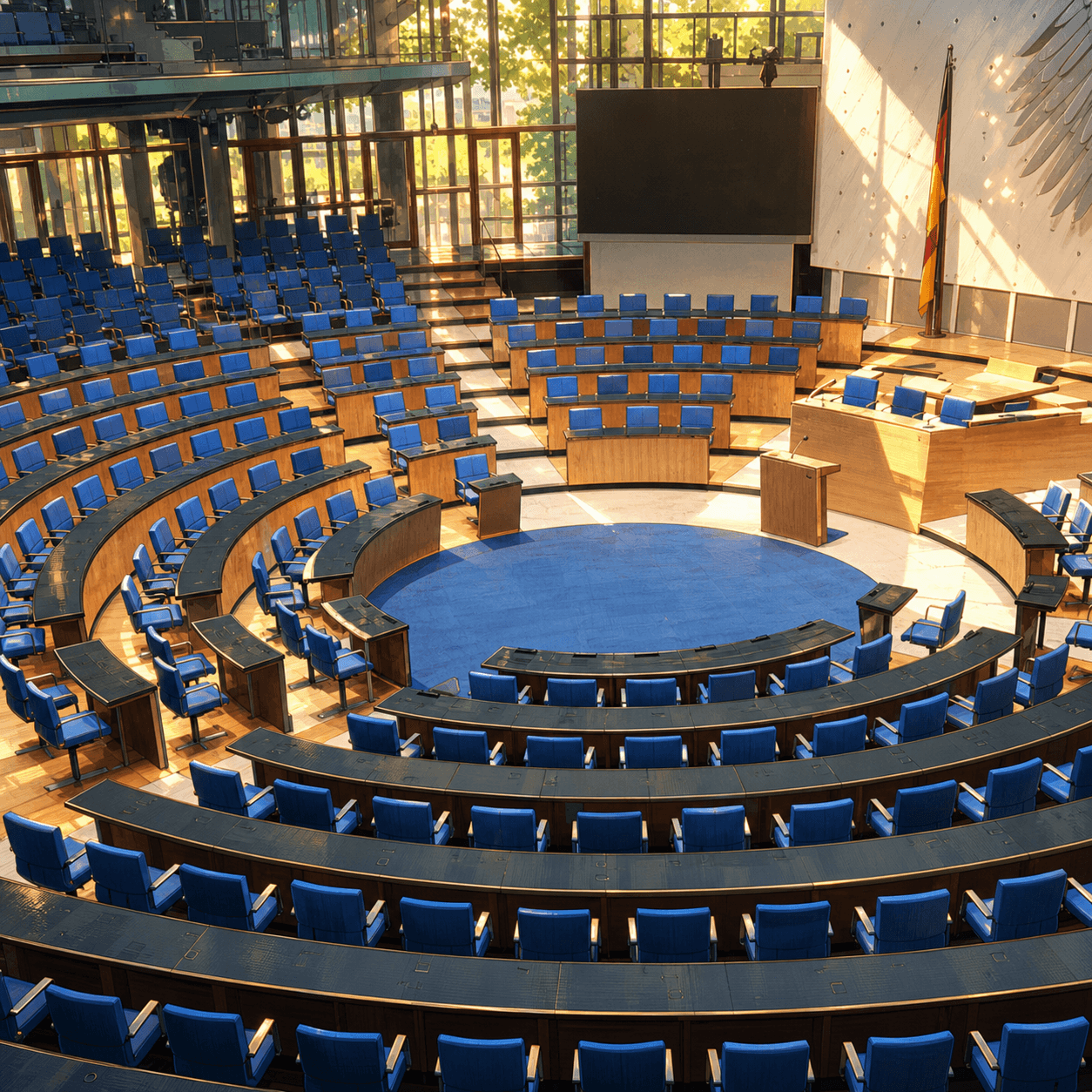
In February 2026, important decisions on governance and administration were at the center of attention in Bonn. The discussions on tax rates, digitalization strategy, committee formation, and compliance allegations show how the city is preparing for future challenges.
Governance and Administration in Bonn: A Monthly Analysis
The federal city of Bonn engaged intensively with questions of governance and administrative structure in February 2026. Several council meetings were held in which decisions were made that influence the city's transparency, distribution of tasks, and financial planning. This analysis highlights the most important developments and discusses their backgrounds and implications.
Tax Rates and Financial Foundations
One of the central topics was the determination of tax rates for property taxes from 2026 onwards. This decision has far-reaching consequences for the city's finances and for its citizens. The administration anticipated a stable tax yield, which would allow for investments in infrastructure and social benefits. At the same time, the impact on the economic viability of small and medium-sized enterprises was taken into account. The adjustment of tax rates was carried out after careful review and consideration of recommendations from expert circles.
Digitalization and Administrative Modernization
Digitalization of administration was another focal topic. A motion by the Volt party, calling for an assessment of ongoing activities related to digitalization and administrative modernization, was unanimously approved. In addition, a Green motion on the development of a comprehensive digitalization strategy was referred to the responsible committee. The discussions showed that the city of Bonn is aware that a modern administration not only gains efficiency but also strengthens citizen engagement.
Committee Formation and Governance Structure
In the context of governance development, several committees were newly established or staffed. The Nature Conservation Advisory Board and the Project Advisory Board for the Renovation of the Bad Godesberg City Hall were set up. In addition, a supporting committee for the "Forum for the City Center" was adopted. These committees are to serve as advisory bodies in the future and involve experts and citizens in decision-making processes. Committee formation is a step toward participatory governance that relies on transparency and participation.
Compliance Allegations and the Hangelar Affair
The Hangelar affair played a special role in February. An urgency motion by the Greens regarding compliance allegations in connection with the real estate transaction at the Hangelar airport was referred to the Audit Committee. A Volt amendment proposal suggested expanding the questionnaire to clarify contradictory facts. Although the urgency motion was later withdrawn, the debate showed how sensitively political actors deal with issues of transparency and control mechanisms.
Outlook and Challenges
The decisions of February show that Bonn is deliberately moving toward the future vision of a transparent, digital, and citizen-oriented administration. At the same time, the processing of the Hangelar affair remains a central point of discussion, which will also be continued in future sessions. The digitalization strategy and committee formation are central building blocks for modern governance, but their implementation also requires long-term planning and investments.
NeoSearch analyses public council documents, committee minutes and municipal announcements. Source references appear automatically once verified meeting data is available.
What does this mean for businesses?
Town halls, fire stations, depots and administrative buildings create early construction and refurbishment opportunities. Following council agendas reveals projects before they go to tender.
Track similar decisions in your region
Set up monitoring for public buildings & administration in Nordrhein-Westfalen — prefilled from this article.
Set up monitoring →More signals from Bonn
Bonn Sport Policy 2026: Expansion, Modernization and Inclusion in Focus
In May and June 2026, the federal city of Bonn made numerous decisions in the area of sport that strengthen both sports infrastructure and social inclusion. The Sports Committee approved investments in new sports facilities, renovation measures and support for events – all milestones for the future of sports development in Bonn.
Read more → Economic and Urban Development in Bonn: Decisions and Debates in the Second Quarter of 2026
In May and June 2026, the Committee for Economy, Properties, and Labour in Bonn made several key decisions concerning economic development and public space safety. Discussions around initiatives such as "Safe Cities" and the implementation of the ISEK Bad Godesberg Downtown project illustrate the complexity of urban development challenges.
Read more → Security in Crisis: Bonn Moving Toward Resilience
In May and June 2026, Bonn focused on security, disaster protection, and the impact of infrastructure bottlenecks on emergency services. The Committee for Safety, Order, and Civil Protection discussed multiple times on preventive measures, investments, and cooperation strategies to make the city future-ready.
Read more →