Bonn in March 2026: Social Policy and Integration in Focus
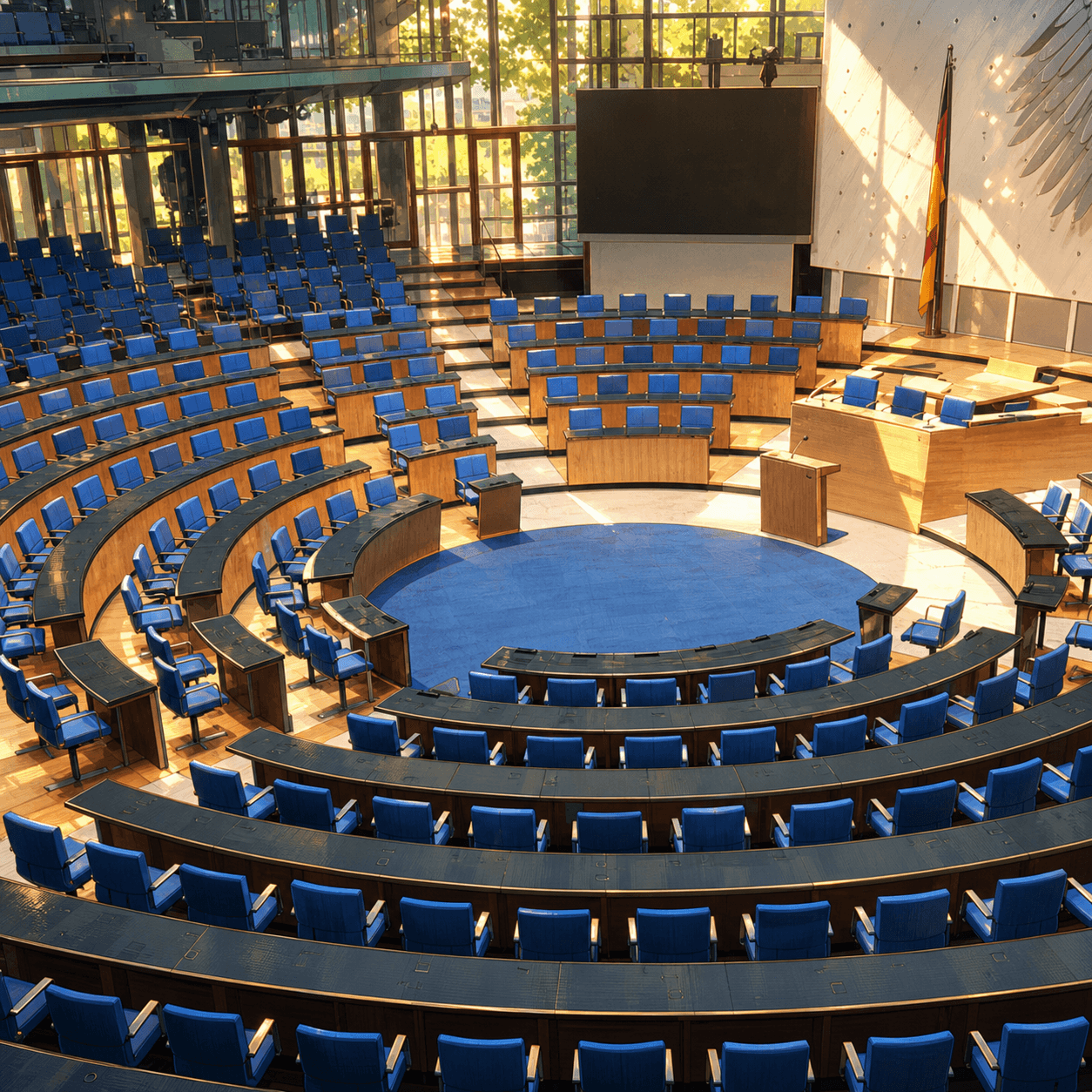
In March 2026, the federal city of Bonn intensively addressed issues of social justice, migration, and integration. The Committee for Equal Opportunities and Integration set priorities for the future, discussed financial cuts in the area of integration courses, and supported numerous projects aimed at assisting migrants and refugees.
Bonn in March 2026: Social Policy and Integration in Focus
In March 2026, social and integrative work was at the center of attention in Bonn. The federal city responded to the challenges of migration and social inclusion with a range of measures – from the further development of integration courses to the promotion of volunteer initiatives. Particular focus was placed on the consequences of the austerity measures by the Federal Ministry of the Interior for local integration activities.
Structural Adjustments in the Committee for Equal Opportunities and Integration
In March 2026, a decisive meeting of the Committee for Equal Opportunities and Integration took place, during which important structural changes were decided. Dr. Volfson was elected as the new chair with 15 votes, while Frau Stomporovski and Herr Kürküt serve as deputy chairs. These decisions form the basis for the committee's work in the coming years.
In addition, the committee's rules of procedure were adapted to meet the new challenges and requirements in migration and integration policy. The adjustments particularly affect the structure of work, the allocation of subsidies, and the cooperation with other bodies such as the NRW State Integration Council.
Austerity Measures on Integration Courses: Impacts and Discussions
A central topic of the March meeting was the austerity measures in the area of integration courses, decided by the Federal Ministry of the Interior under Minister Dobrindt. The Green Party faction submitted a comprehensive major inquiry to the city of Bonn, addressing the impact of this measure on the local population.
The inquiry asked about the number of people in Bonn who are no longer able to participate in integration courses due to the stricter practices of the BAMF (Federal Office for Migration and Refugees) – particularly tolerated persons, asylum seekers, refugees from Ukraine, and EU citizens. The restrictions on access to courses threaten labor market integration and participation in society, which could have a negative impact on the region's workforce security.
The city of Bonn is examining whether supply gaps can be closed by municipal, state, or EU programs such as ESF+. At the same time, it is being examined whether the city can support initiatives aimed at reversing or correcting the cuts.
Funding of Projects and Initiatives
Despite financial uncertainties, Bonn focused in March 2026 on the funding of projects that strengthen integration. Numerous initiatives received subsidies, including:
- The women's initiative FIBEr e.V. for projects such as "Bunte Kiste," "Kreativ-Werkstatt," and "Starker Start in die Schule."
- The association HennaMond e.V. for the project "Champs Bonn – For Democracy and Human Rights – Against extremist ideologies."
- The Familienkreis e.V. for the project "NewComer."
- Religious organizations such as the Evangelical Migration and Refugee Work in Bonn and the Catholic parishes.
In addition, it was decided to continue the "Rucksack KiTa" program in 2026. This program aims at the early integration of children from migrant families and is part of the NRW-wide program "KOMM-AN NRW 2024."
Outlook and Recommendations for Action
The discussions in March 2026 show that the city of Bonn is aware that integration courses and social support are not only a matter of a welcoming culture but also an economic and social necessity. The challenges posed by the austerity measures of the Federal Ministry of the Interior require not only financial countermeasures but also political courage to establish networks with the state and federal government.
The future of integration policy in Bonn largely depends on how well the city is able to strengthen local initiatives, promote voluntary engagement, and exert political pressure to correct the cuts at the federal level. The March meeting has shown that Bonn is ready to act proactively – even though the challenges are great.
NeoSearch analyses public council documents, committee minutes and municipal announcements. Source references appear automatically once verified meeting data is available.
What does this mean for businesses?
Municipal council decisions are early indicators: following the council agenda surfaces projects and tenders months before the official award — before they ever reach the procurement portals.
Track similar decisions in your region
Set up monitoring for kommunale Projekte in Nordrhein-Westfalen — prefilled from this article.
Set up monitoring →More signals from Bonn
Bonn Sport Policy 2026: Expansion, Modernization and Inclusion in Focus
In May and June 2026, the federal city of Bonn made numerous decisions in the area of sport that strengthen both sports infrastructure and social inclusion. The Sports Committee approved investments in new sports facilities, renovation measures and support for events – all milestones for the future of sports development in Bonn.
Read more → Economic and Urban Development in Bonn: Decisions and Debates in the Second Quarter of 2026
In May and June 2026, the Committee for Economy, Properties, and Labour in Bonn made several key decisions concerning economic development and public space safety. Discussions around initiatives such as "Safe Cities" and the implementation of the ISEK Bad Godesberg Downtown project illustrate the complexity of urban development challenges.
Read more → Security in Crisis: Bonn Moving Toward Resilience
In May and June 2026, Bonn focused on security, disaster protection, and the impact of infrastructure bottlenecks on emergency services. The Committee for Safety, Order, and Civil Protection discussed multiple times on preventive measures, investments, and cooperation strategies to make the city future-ready.
Read more →