Bonn April 2026: Mobility in Crisis – Focus on Nordbrücke, Cycling Infrastructure, and Public Transport
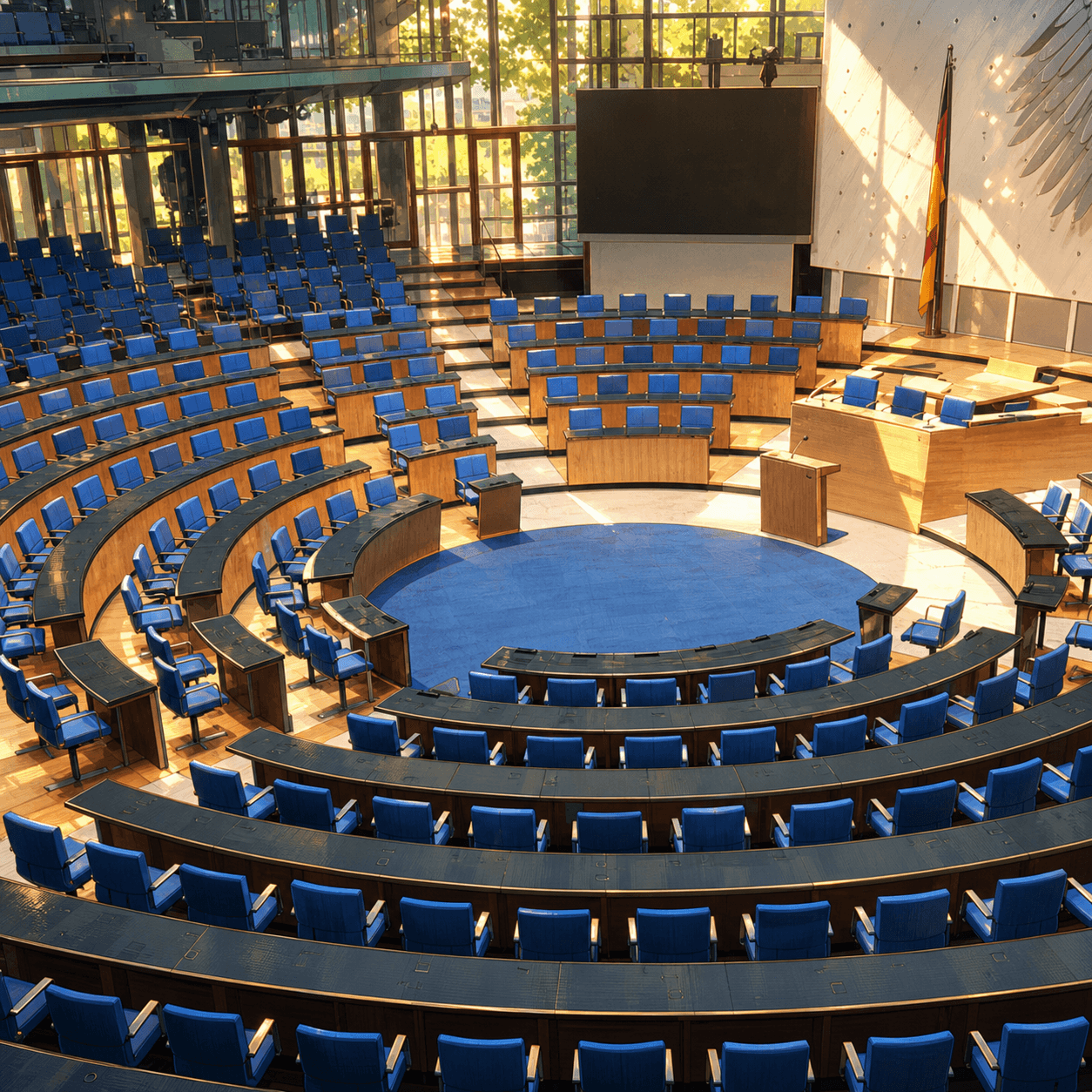
In April 2026, the challenges of urban mobility remained central in Bonn. The closure of the Nordbrücke, the renovation of the Rechte Rheinstrecke, and the development of cycling networks sparked intense debate in the Committee for Mobility and Transport. Here's an in-depth look at the key decisions and developments.
Nordbrücke Closure – Consequences and Measures
The closure of the Nordbrücke (Friedrich-Ebert-Brücke) to vehicles over 7.5 tonnes, which had already begun in February 2026, remained a central topic in April. The bridge, used daily by around 100,000 vehicles, is a critical hub for heavy goods traffic. With the closure, a significant portion of heavy traffic has shifted to other routes – particularly the access roads to the Kennedybrücke and Südbrücke, as well as local roads such as Kölnstraße or Sankt-Augustiner-Straße.
The city of Bonn actively worked on a public transport replacement concept to mitigate the impact on local public transport. In addition, a motion by the Greens to enforce the lorry ban on the Nordbrücke was passed, supported by measures such as speed cameras. At the same time, the city pursued the construction of a replacement bridge, which is to be planned with the highest priority – possibly at the expense of other projects, such as the Rheinspange.
Commuter Cycling Route: Closing Gaps for a Safe Connection
Another central topic was the commuter cycling route between Bornheim, Alfter, and Bonn. The Greens' proposal to close the gaps was unanimously approved after amendments. The current route has obvious shortcomings: missing bridges over the L113 and the street Am Probsthof, as well as a dangerous bottleneck in the railway underpass. These gaps lead to high levels of conflict between cyclists and motorized individual transport (MIV).
The city aims to accelerate the planning process in order to provide a fully usable route. The Greens' suggestion to also evaluate the ADFC's proposal for improving cycle routes was considered during the discussions. The route is a key element of Bonn's transport transition and is intended to serve as part of the "10 Velorouten" concept in the future.
Public Transport and Mobility Planning: SB 85, S 13, and Preliminary Operations
In April, important developments in the field of public transport were also in focus. The planning for the express bus line SB 85 (Bonn – Ramersdorf – Bad Godesberg – Wachtberg – Meckenheim) was updated, and the current status of the tram line 17 (Bonn – Niederkassel – Cologne) was discussed. In addition, the preliminary operations of the S 13 were addressed, particularly the planned operational concept for the 2027 annual timetable.
Another topic of discussion was the barrier-free expansion of Mehlem station. The city and the Rhein-Sieg district are working on improved barrier-free accessibility to make local public transport accessible to all. Also intensively discussed were Park & Ride concepts in Bonn and the surrounding region to alleviate commuter traffic.
Outlook: Challenges and Opportunities
April 2026 has shown that Bonn is actively addressing the challenges of urban mobility – be it through the management of the Nordbrücke closure, the development of cycling infrastructure, or the improvement of public transport. Cooperation with the Rhein-Sieg district and other regional partners is key to finding long-term solutions.
The coming months will show whether the agreed measures – such as the replacement of the Nordbrücke or the closure of the gaps in the commuter cycling route – are actually implemented. In addition, the effects of the shift in heavy goods traffic on the local road network remain to be observed. The city of Bonn has shown that it is ready to respond to the challenges of the transport transition – now it is time to turn the plans into action.
NeoSearch analyses public council documents, committee minutes and municipal announcements. Source references appear automatically once verified meeting data is available.
What does this mean for businesses?
Municipal council decisions are early indicators: following the council agenda surfaces projects and tenders months before the official award — before they ever reach the procurement portals.
Track similar decisions in your region
Set up monitoring for kommunale Projekte in Nordrhein-Westfalen — prefilled from this article.
Set up monitoring →More signals from Bonn
Bonn Sport Policy 2026: Expansion, Modernization and Inclusion in Focus
In May and June 2026, the federal city of Bonn made numerous decisions in the area of sport that strengthen both sports infrastructure and social inclusion. The Sports Committee approved investments in new sports facilities, renovation measures and support for events – all milestones for the future of sports development in Bonn.
Read more → Economic and Urban Development in Bonn: Decisions and Debates in the Second Quarter of 2026
In May and June 2026, the Committee for Economy, Properties, and Labour in Bonn made several key decisions concerning economic development and public space safety. Discussions around initiatives such as "Safe Cities" and the implementation of the ISEK Bad Godesberg Downtown project illustrate the complexity of urban development challenges.
Read more → Security in Crisis: Bonn Moving Toward Resilience
In May and June 2026, Bonn focused on security, disaster protection, and the impact of infrastructure bottlenecks on emergency services. The Committee for Safety, Order, and Civil Protection discussed multiple times on preventive measures, investments, and cooperation strategies to make the city future-ready.
Read more →