Governance and Administration in Bocholt: Structural Realignment and Decision-Making in March 2026
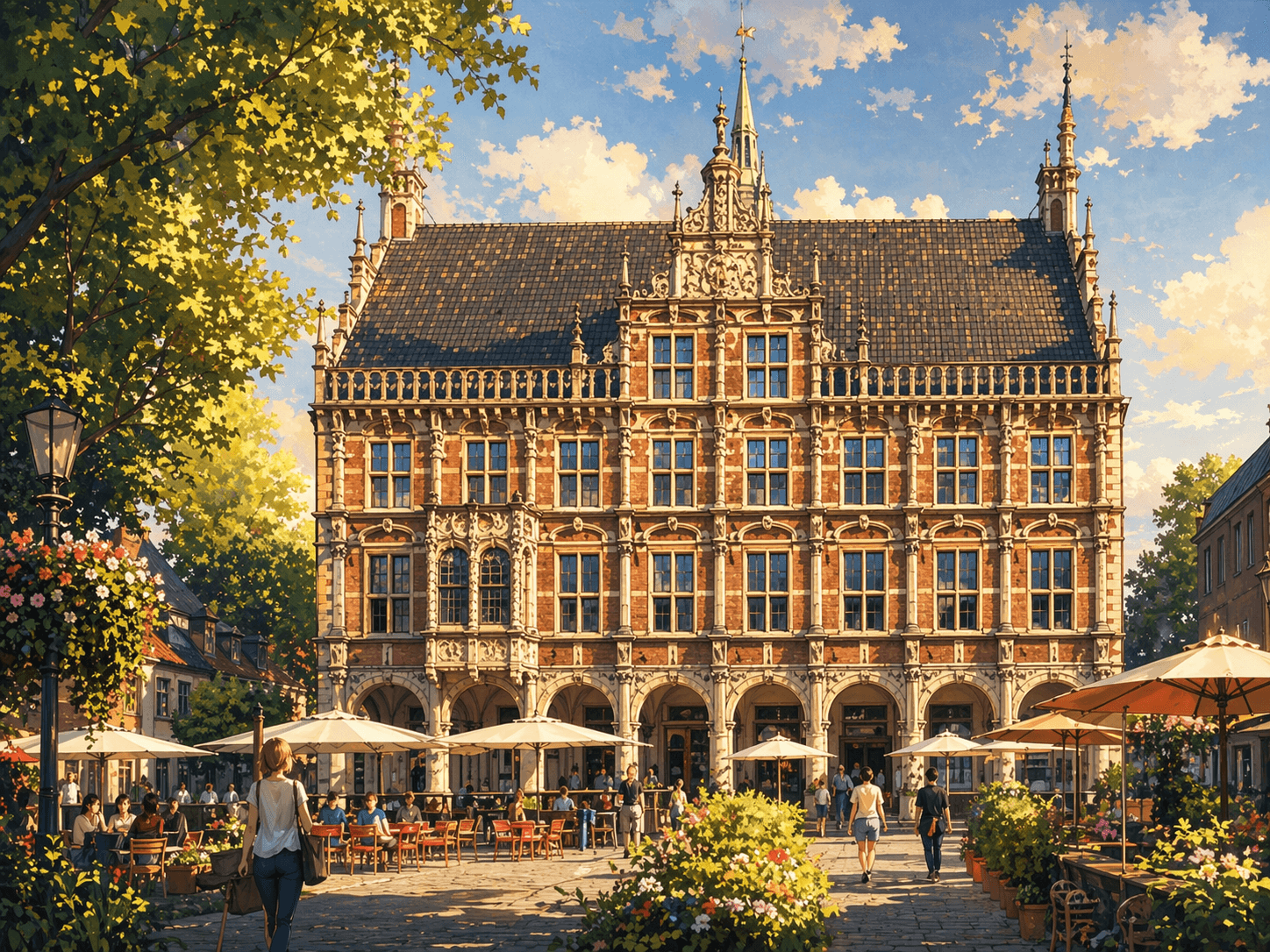
In March 2026, Bocholt focused on a wide range of governance and administrative topics – from committee reassignments and budget decisions to controversial political debates. A deep dive into the key developments.
Governance and Administration in Bocholt: Structural Realignment and Decision-Making in March 2026
The city of Bocholt was deeply engaged with governance and administration in March 2026. A number of decisions, debates, and organizational changes reflect the current dynamics in local politics. From restructuring committee structures to the introduction of new processes, the developments show how the city is responding to changing challenges.
Reassignment of Committees and Political Tensions
In March 2026, comprehensive reassignments took place in several committees, including the Southeast District Committee, the Building Economy Committee, and the Committee for Planning, Construction, and Transport. Expert citizens with advisory voices were newly included – a measure that not all political factions welcomed. The AfD rejected the inclusion, citing symmetry and cost concerns. At the same time, the Social List demanded the inclusion of non-factional council members as well.
These discussions highlight how sensitive the topic of committee structure is in Bocholt. The decision to involve expert citizens is to be understood as an attempt to strengthen participation. At the same time, it reveals the tensions between demands for transparency and political interests.
Reform of Responsibility Orders and Financial Management
Another central topic was the reform of responsibility orders. The aim of the changes was to strengthen the clear separation between general regulations and specific decision-making responsibilities. Future value limits for financial decisions will be regulated via the budget ordinance. This measure underlines the trend toward better financial planning and greater accountability.
In addition, funds from the 2025 budget year were carried over into 2026, a practice often controversial in municipalities. The city of Bocholt has defined clear criteria for the delegation of authority, such as the mandatory necessity or the need for a project status analysis for amounts over 50,000 EUR. This regulation shows how the city is trying to create financial flexibility without endangering budget discipline.
Political Debates and Motions
The March session also featured politically charged debates. One faction proposed the introduction of deposit rings on waste containers – a topic that regularly comes up in the debate on sustainability and climate protection. At the same time, city council members asked about rising fuel prices and labor law developments at Ewibo. The administration provided information on the wage order, works agreements, and the enforcement of the minimum wage.
Another highlight was the preparation of a delegation trip to the Belgian partner city of Bocholt. The trip, planned for May 2026, serves to promote international understanding and cultural exchange. It is well financially planned and designed to be climate-friendly.
Administrative Structure and Transparency
The City Council met on March 25, 2026, with a comprehensive agenda: ordinance amendments, mobility concept, zoning plan, and committee reassignments were on the agenda. The administration emphasized transparency: meetings, documents, and committees are publicly accessible via the council information system. Non-public agenda items, such as the sale of housing land, were also addressed.
Transparency was also a topic in personnel matters. The appointment of the "Advisor to the Mayor" position followed clear, structured criteria. A selection committee was composed of the Mayor, the Head of Personnel, the Personnel Representative, and the Equality Officer. The application period lasted only 9 days – a compromise between legal certainty and time urgency.
Conclusion and Outlook
The developments in the field of governance and administration in Bocholt in March 2026 show how sensitive and complex local decision-making processes are. The city is walking a fine line between transparency, participation, and efficiency. At the same time, it becomes clear that the municipality is responding to changing challenges – be it in financial planning, committee structure, or personnel policy – with clearly defined processes.
In the coming months, it will be interesting to observe whether the new structures and decisions will take effect – and whether the debates about participation and political influence will subside or continue in new topics.
NeoSearch analyses public council documents, committee minutes and municipal announcements. Source references appear automatically once verified meeting data is available.
What does this mean for businesses?
Town halls, fire stations, depots and administrative buildings create early construction and refurbishment opportunities. Following council agendas reveals projects before they go to tender.
Track similar decisions in your region
Set up monitoring for public buildings & administration in Nordrhein-Westfalen — prefilled from this article.
Set up monitoring →More signals from Bocholt
Bocholt's Economic Development: Between Structural Change and Local Stabilization
In April 2026, key meetings of the Committee for Economy, Trade, and Tourism were in focus in Bocholt. Discussions surrounding the company Rent.Group/Partyrent Bocholt, the development of the city center, and Germany's economic situation reveal how the city is addressing the challenges of structural change and the decline in retail.
Read more → Legal Disputes in Bocholt: From the Cycling Expressway to the Aasee Festival
In April 2026, Bocholt faced several legal challenges. The discussion surrounding the planned cycling expressway RS2 and the security measures at the Aasee Festival highlight the need for complex and transparent decision-making in local governance.
Read more → Bocholt in April 2026: Climate and Environment in the Spotlight
In April 2026, several central topics from the fields of environment and climate were in focus in Bocholt. The Committee for Climate, Environment and Energy addressed photovoltaic projects, tree felling, and ecological measures at the Aasee. An overview of the decisions, background, and implications.
Read more →