April 2026 – A Look Back at Decisions, Climate, and Partnerships in Bocholt
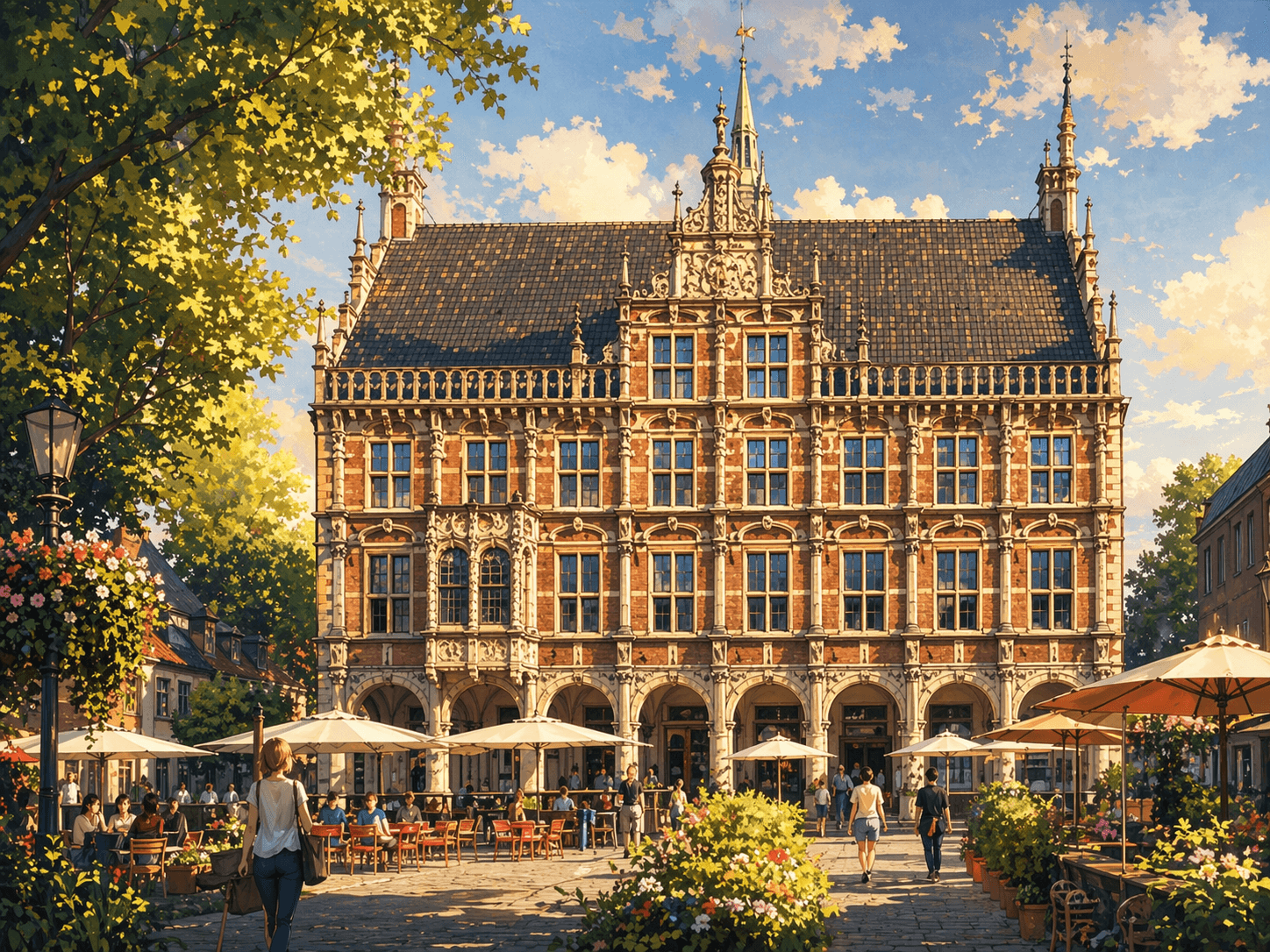
In April 2026, Bocholt focused on key decisions regarding the renovation of the town hall, climate protection measures, and cross-border cooperation. We summarize the most important developments for you.
Climate, Culture, and Consensus: What Was Important This Month
- Town Hall Renovation on Track: The city approved an urgency decision to ensure timely implementation of planning steps.
- Climate Protection Locally: Measures such as photovoltaic installations on municipal properties, energy consultations, and ecological improvements at the Aasee were approved.
- 2026 Homeland Prize: Bocholt will award €5,000 to an individual or organization that has made a significant contribution to community life.
- Cross-Border Relationships: Bocholt is strengthening its partnerships with Aalten and planning cultural exchange projects.
- Committee Reorganization: New representatives were appointed to several committees, including employee representation bodies.
- Transparency in the Finance Committee: The Social List inquired about security measures for the Aasee Festival 2026.
Town Hall and Budget: Decisions with Far-Reaching Consequences
In April 2026, the city council addressed several financial and administrative issues. The renovation of the town hall remained a central topic: To avoid delays in planning steps, an urgency decision under § 60 GO NRW was approved. Additionally, an extra-budgetary authorization was passed, meaning additional funds will be available for unforeseen costs.
Another key focus was the 2026 property tax rate regulation. The city deliberately decided against differentiating between residential and non-residential properties, as this would create legal uncertainties due to recent court rulings. This decision has long-term implications for the city’s tax policy and financial management.
Climate and Energy: Progress Toward a Sustainable Future
The Committee for Climate, Environment, and Energy initiated important measures in April. A central decision concerned the installation of photovoltaic and storage systems on municipal properties, particularly on the former landfill site in Lankern. The city will not invest directly but will act as a landlord to minimize financial risks while also generating rental income.
In addition, a funding program for energy consultations was approved, supporting 100 households with a total of €15,000. The demand was already disproportionately high within one day—highlighting the public's interest in energy-efficient solutions.
In the Aasee area, concrete measures for ecological improvement were approved. Among other things, a gravel area will be created in front of the nesting wall, flowering areas will be established, and tall-stemmed fruit trees will be planted. These investments amount to over €160,000 and contribute to biodiversity and climate protection.
Partnerships Beyond Borders
The Twin Town Partnership between Bocholt and Aalten has been particularly active this year. In April, a new team was appointed for the International Advisory Committee, and it was decided that Bocholt will hold the chairmanship until the end of 2026. In May, a delegation will travel to Aalten, and the Senior Advisory Board will organize hospitality for the Belgian Senior Council.
In addition, several cultural and political projects are in the planning stages: from the European Youth Camp to the Border Region Conference in December. These activities not only strengthen the relationships between the two cities but also raise awareness of European cooperation.
Looking Beyond the Local: Economic Challenges
In the Committee for Economy, Trade, and Tourism, recent developments in the retail sector were the focus. The HDE 2026 forecast indicates a further decline of 4,900 retail stores in Germany. Locally in Bocholt, the company Rent.Group/Partyrent is pursuing growth and plans to use additional space to expand event-related services. A partnership with Bocholt University of Applied Sciences will play a role in acquiring skilled workers.
Conclusion and Outlook
April 2026 in Bocholt was marked by concrete decisions in the areas of climate protection and energy, as well as far-reaching financial decisions. The town hall renovation remains a priority, and the partnership with Aalten will be further deepened. In the economic sector, the challenges of the retail industry are being felt—but so is the dynamism of innovative companies.
May will bring further debates, investment decisions, and cultural projects. The focus remains on both local and European cooperation.
NeoSearch analyses public council documents, committee minutes and municipal announcements. Source references appear automatically once verified meeting data is available.
What does this mean for businesses?
Town halls, fire stations, depots and administrative buildings create early construction and refurbishment opportunities. Following council agendas reveals projects before they go to tender.
Track similar decisions in your region
Set up monitoring for public buildings & administration in Nordrhein-Westfalen — prefilled from this article.
Set up monitoring →More signals from Bocholt
Bocholt's Economic Development: Between Structural Change and Local Stabilization
In April 2026, key meetings of the Committee for Economy, Trade, and Tourism were in focus in Bocholt. Discussions surrounding the company Rent.Group/Partyrent Bocholt, the development of the city center, and Germany's economic situation reveal how the city is addressing the challenges of structural change and the decline in retail.
Read more → Legal Disputes in Bocholt: From the Cycling Expressway to the Aasee Festival
In April 2026, Bocholt faced several legal challenges. The discussion surrounding the planned cycling expressway RS2 and the security measures at the Aasee Festival highlight the need for complex and transparent decision-making in local governance.
Read more → Bocholt in April 2026: Climate and Environment in the Spotlight
In April 2026, several central topics from the fields of environment and climate were in focus in Bocholt. The Committee for Climate, Environment and Energy addressed photovoltaic projects, tree felling, and ecological measures at the Aasee. An overview of the decisions, background, and implications.
Read more →