Climate Protection in Bielefeld: How the City Advances Environmental Goals in March 2026
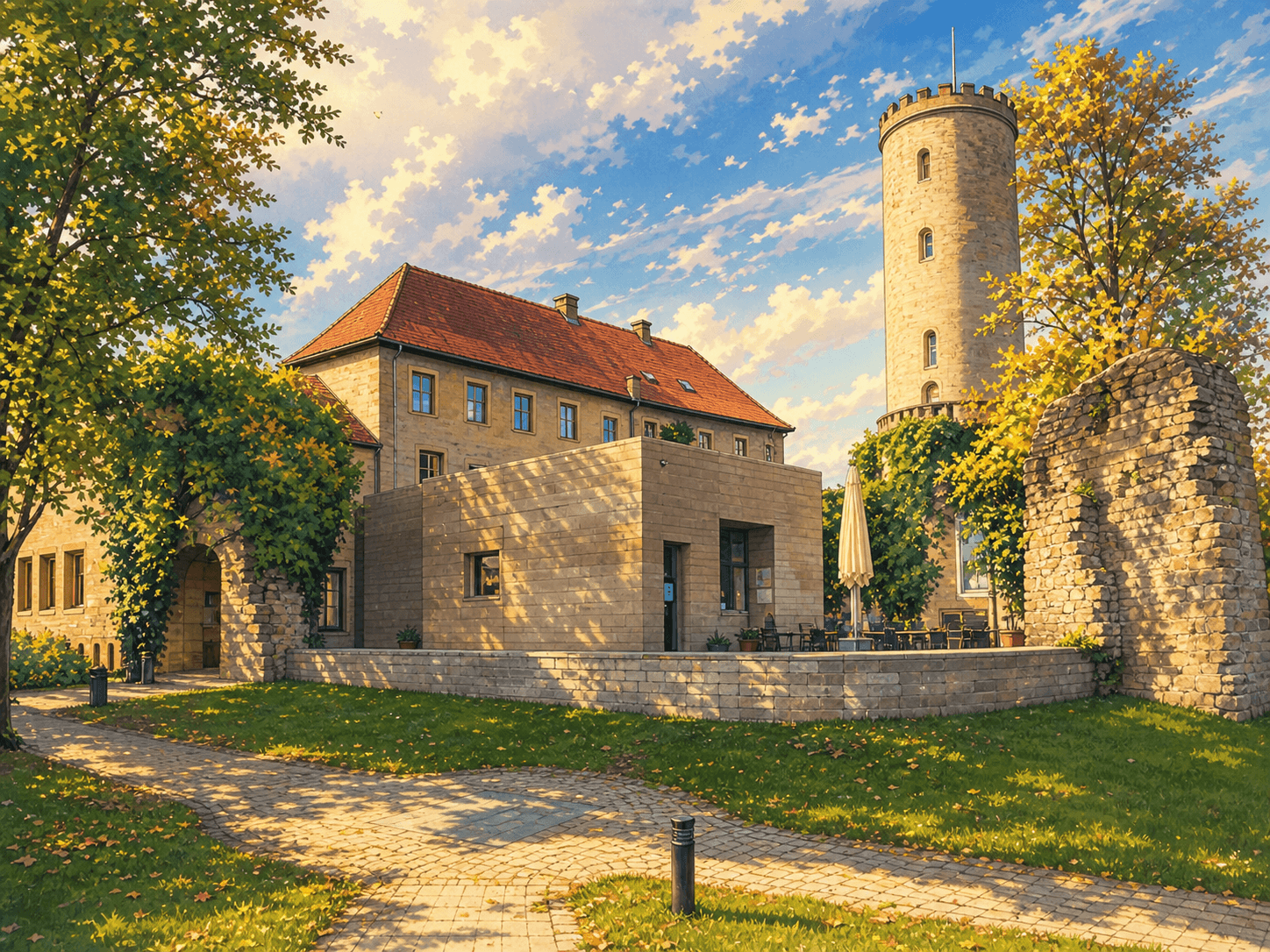
In March 2026, Bielefeld made decisive strides in environmental and climate policy. Several sessions focused on climate protection, green space development, and eco-friendly infrastructure. The blog provides insights into the strategic decisions, challenges, and forward-looking projects the city is pursuing.
Climate Protection in Bielefeld: Strategies, Projects, and Challenges
Bielefeld has established itself in recent years as a pioneer in climate protection policy. This was particularly evident in March 2026: in several sessions of the Committee for Environment and Climate Protection, concrete measures were discussed and decided upon with the goal of achieving the city's climate protection targets by 2030. Both structural changes within the municipal administration and investments in eco-friendly infrastructure were central to these discussions.
Climate Advisory Board and Climate Protection Strategy
A central topic of the sessions was the role of the Bielefeld Climate Advisory Board (BKB). With 15 members from three groups – civil society, business, and expert – the BKB is an independent body that monitors the implementation of climate protection goals. In March, the Climate Advisory Board was expanded to include topics related to climate change adaptation. Additionally, new groups such as the Children and Youth Council and the AGW (Working Group of Welfare Organizations) were integrated into its structure to strengthen participation.
Discussions on CO2 reduction remained current in light of legal adjustments to the Building Energy Act (GEG) and the Renewable Energy Act (EEG). In particular, the use of deep geothermal energy in Bielefeld was a central issue addressed in several sessions. The city is examining whether and how geothermal energy can be integrated into existing energy concepts to achieve long-term climate neutrality.
Green Space Development as a Climate Factor
Another focus was on the development and use of green spaces. The Ravensberger Park and Bürgerpark were at the center of attention. Both projects aim to mitigate the effects of climate change through retention-capable areas and nature-friendly design. In the Ravensberger Park, a competition was launched, resulting in the concept "Spinnereipark – woven with history," which proposed new play areas, exhibition spaces, and a well-thought-out planting concept.
Cemeteries in Bielefeld are also considered multifunctional green spaces. They not only contribute to recreation but also to biodiversity and climate functions. The share of public green space has also slightly increased – from 45.29% (2020) to 45.83% (2023), although there are differences between districts. Funding for green spaces remains a key aspect: two-thirds come from the municipal budget, one-third from the business plan of the Environmental Services Department.
Environmental Services and Climate Protection in Practice
The Bielefeld Environmental Services Department (UBB) is a key actor in implementing climate-friendly measures. In March 2026, a surplus of 6.88 million euros was recorded, attributed to positive developments in waste management and material recovery. In addition, electric mobility in the fleet was further expanded: electric vehicles are in the testing phase, and an electricity connection at the central waste recycling site is being planned.
Hydrogen strategies were also discussed. The FDP faction called for a medium- and long-term strategy for the municipal fleet. A key aspect is the use of the city's hydrogen filling station. It is being examined whether hydrogen vehicles will continue to be used or whether a switch to electric vehicles will take place. Test refuelings are already planned.
Challenges and Perspectives
Despite the progress, there are challenges. The implementation of the Water Framework Directive (WRRL) has not yet been fully completed. Of 61 program measures for watercourse structures, only 47 have been started or completed. The remaining 14 have the highest priority to meet the implementation deadline by 2027. In particular, measures to improve the condition of rivers such as the Lutter, Reiherbach, and Oldentruper Bach must be accelerated.
Rat control remains an issue as well. Although rats cannot be completely prevented, Bielefeld is relying on preventive measures such as the "Zero Diet for Rats" and certified bait protection boxes. However, a systematic statistical recording is still missing, making the evaluation of these measures difficult.
Outlook: Climate Neutrality as a Goal
Bielefeld has set itself the goal of becoming climate neutral by 2030. In March 2026, several decisions were made to make this possible. The expansion of the Climate Advisory Board, green space-oriented urban planning, electric mobility in the Environmental Services Department, and enhanced climate change adaptation are steps in this direction. In addition, the use of renewable energies, such as geothermal energy or photovoltaics in new buildings, will be further expanded.
In this way, the city has shown that climate protection is not only a political challenge but also an opportunity to improve the quality of life for its citizens and prepare the city for the future.
Conclusion
The sessions in March 2026 have shown that Bielefeld remains active in climate protection policy. With a variety of projects, from green space development to eco-friendly mobility, the city is setting impulses that are noteworthy beyond the local level. The challenges remain, but the course has been set to achieve the climate protection goals by 2030.
NeoSearch analyses public council documents, committee minutes and municipal announcements. Source references appear automatically once verified meeting data is available.
What does this mean for businesses?
Municipal heat planning, photovoltaics and climate measures create early project indicators. Following council decisions surfaces sites and tenders before they are publicly advertised.
Track similar decisions in your region
Set up monitoring for environment & climate in Nordrhein-Westfalen — prefilled from this article.
Set up monitoring →More signals from Bielefeld
Bielefeld's Kita Landscape: Structural Adjustments and Challenges in the Second Quarter of 2026
In May and June 2026, fundamental decisions about the future of the city's childcare facilities are set to be made in Bielefeld. Due to oversupply and demographic change, the administration plans closures and group reductions. At the same time, the focus will be strengthened on the quality of care, including nutrition and early childhood education.
Read more → Bielefeld's Environmental Services: Price Reforms, Budgets, and Climate Protection in Focus
In the second quarter of 2026, Bielefeld's Environmental Services made far-reaching price changes to adapt to rising costs. At the same time, the 2025 budgets were presented — a mix of surpluses and deficits. In this in-depth blog post, we analyze the background, effects, and goals of these decisions.
Read more → Bielefeld's Economic Strategy in the Restoration of the Kunsthalle
In the second half of 2026, the general restoration of the Kunsthalle Bielefeld came into the economic policy focus of the city. The Economic Promotion and Participation Committee engaged intensively with the financial and institutional implementation – also considering long-term economic promotion through culture.
Read more →