Wolfsburg's Urban Planning in April 2026 – Impulses for Sustainability, Mobility, and Heritage Protection
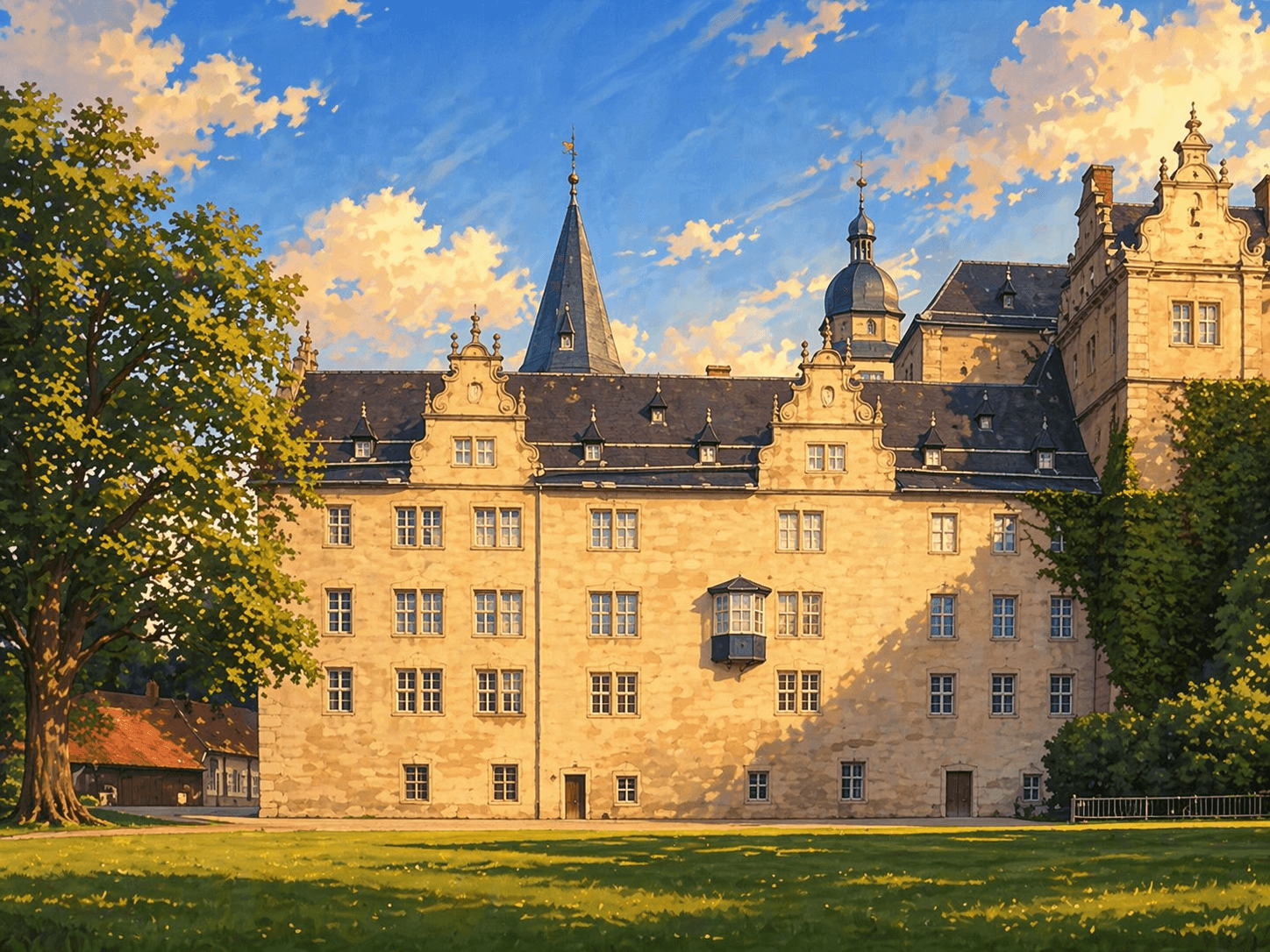
In April 2026, the city of Wolfsburg made several decisions regarding urban planning and city development. The focus was on sustainability, traffic planning, and the enhancement of historic districts. Below is a detailed analysis of the most important measures.
Sustainable Urban Development: Rathausplatz as a Climate Lab
A central focus of the April sessions was the redesign of Rathausplatz (Town Hall Square) within the framework of the funding program "Resilient City Centers." With the project decision for the "Climate Lab Rathausplatz," Wolfsburg is investing in the sustainable design of public spaces that are both climate-resilient and livable. The project will include climate adaptation measures such as increased green areas, shading, and rainwater management elements. It represents another step in the city's long-term strategy to make its city center more resilient to the impacts of climate change.
Development Plan for Westhagen II. District: Design Offensives for an Urban Quarter
The development plan "Westhagen II. District/ 2b, 2nd Amendment" was adopted in April 2026 together with a local building regulation on design. The approval and publication decision marks the starting point for the concrete implementation of the plan. The amendments aim at better urban integration and improved living quality. Particularly noteworthy is the inclusion of design guidelines intended to ensure a cohesive and appealing architectural character. The local council meeting in Westhagen on April 28, 2026, emphasized the importance of district planning and the necessity of public participation.
Heritage Protection and District Enhancement: Updated Funding Guidelines for "Die Höfe"
In the historic renovation area "Die Höfe," a new version of the funding guidelines for the enhancement of courtyards and open spaces was adopted. The goal is to promote the renovation and improvement of heritage-protected buildings through financial support, while simultaneously enhancing the quality of open spaces. This approach combines heritage protection with modern living conditions. In doing so, the city of Wolfsburg is pursuing a model project that sustainably strengthens the urban image and quality of life in historic districts.
Mobility Transition in Wolfsburg: Road Classifications, Through Routes, and Traffic Light Systems
Another important topic was the adjustment of road classifications and local through routes. For example, sections of the L321 and L292 were either downgraded or upgraded, which has implications for traffic flow and safety. The redefinition of the local through route on Neuhäuser Straße in the district of Vorsfelde and the renewal of parking space markings at Rabenberg aim for improved traffic planning and road safety. In addition, a new traffic light system was decided for the pedestrian crossing at Porschestraße/Pestalozziallee to increase pedestrian safety.
Conclusion: Wolfsburg as a Model City for Sustainable Urban Development
April 2026 has shown that Wolfsburg is consistently advancing its role as a pioneer in sustainable urban development. With projects such as the "Climate Lab Rathausplatz," the design offensive in Westhagen, and the promotion of heritage districts, the city is setting standards in the integration of environment, culture, and mobility. The planned measures not only contribute to the improvement of quality of life but also to the long-term resilience of the city against global challenges.
NeoSearch analyses public council documents, committee minutes and municipal announcements. Source references appear automatically once verified meeting data is available.
What does this mean for businesses?
Municipal heat planning, photovoltaics and climate measures create early project indicators. Following council decisions surfaces sites and tenders before they are publicly advertised.
Track similar decisions in your region
Set up monitoring for environment & climate in Niedersachsen — prefilled from this article.
Set up monitoring →More signals from Wolfsburg
Wolfburg's Health Policy in April 2026: Integration, Care, and Senior Involvement in Focus
In April 2026, Wolfburg focused on central topics in health policy: the integration of employable asylum seekers into the health sector, the future of senior involvement, and the further development of care provision. The Social and Health Committee discussed concrete measures and initiatives that could shape the future of healthcare in the city.
Read more → Wolfenbüttel's Cultural Promotion in April 2026: Digitalization, Space Planning, and Democratic Transparency
In April 2026, Wolfenbüttel set new standards in cultural and community policy with concrete steps. The focus was on digitalization projects, space utilization in the cultural context, and strengthening democratic transparency in administration and cultural work. Here is an analysis of the most important developments.
Read more → Wolfsburg's Climate Protection: Feasibility Study for Allersee Heat Pump and Further Environmental Measures in April 2026
In April 2026, decisive debates took center stage in Wolfsburg's Environment and Climate Protection Committee. A feasibility study on using the Allersee for a heat pump, the Masterplan 100% Climate Protection, and initiatives for land de-sealing and the promotion of renewable energy show how the city plans to concretely achieve its climate goals – and where boundaries exist.
Read more →