Wolfsburg's Climate Protection: Feasibility Study for Allersee Heat Pump and Further Environmental Measures in April 2026
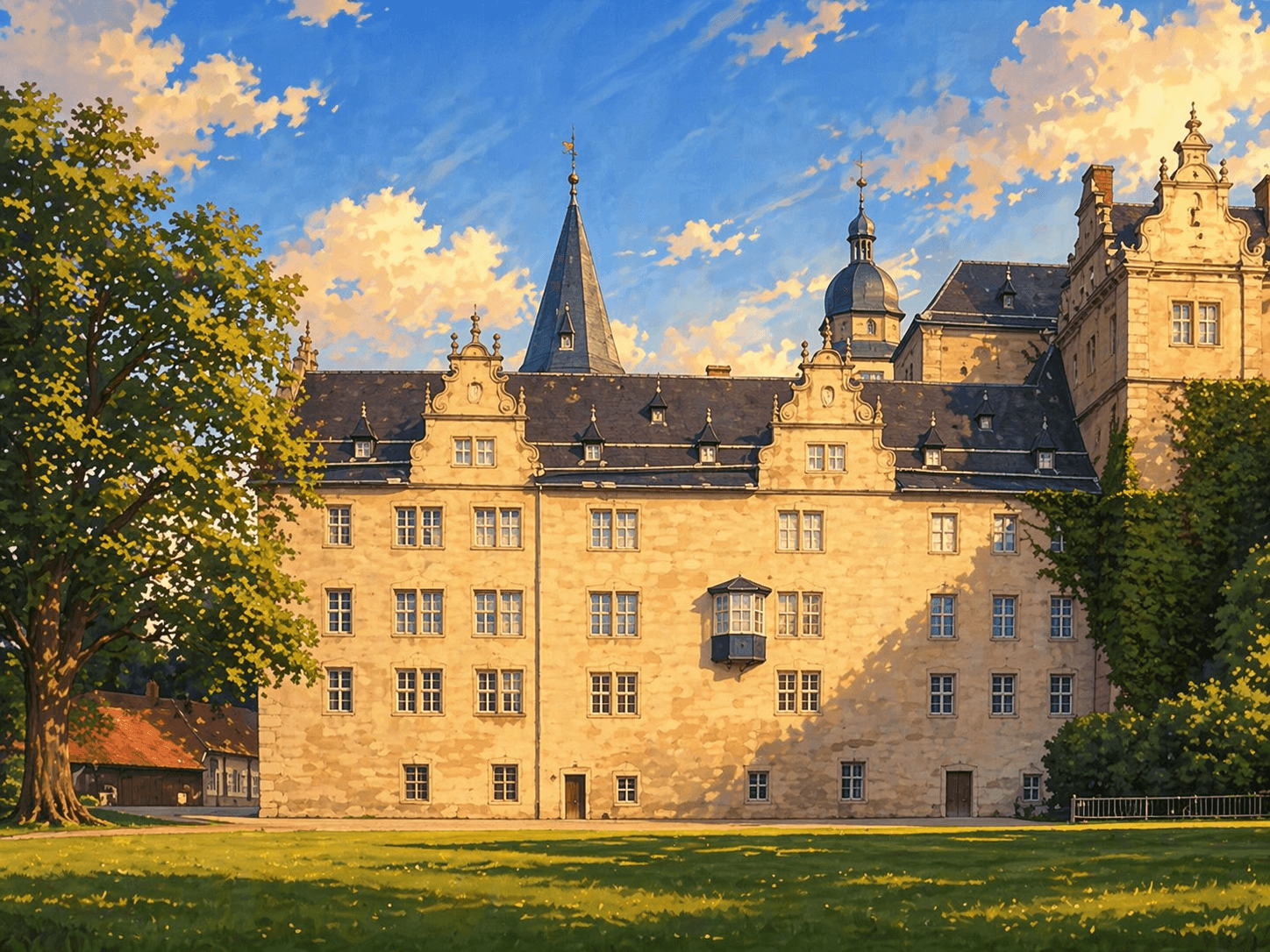
In April 2026, decisive debates took center stage in Wolfsburg's Environment and Climate Protection Committee. A feasibility study on using the Allersee for a heat pump, the Masterplan 100% Climate Protection, and initiatives for land de-sealing and the promotion of renewable energy show how the city plans to concretely achieve its climate goals – and where boundaries exist.
Wolfsburg's Climate Protection: Feasibility Study for Allersee Heat Pump and Further Environmental Measures
Wolfsburg is implementing a variety of measures in 2026 to achieve its climate protection goals. In April 2026, several key decisions and discussions were in focus, covering both technological and political aspects. A central topic was the feasibility study on using the Allersee as a heat source for a heat pump. However, initiatives for land de-sealing, the promotion of solar power, and the enhancement of nature conservation areas also demonstrate the multifaceted nature of the city's climate policy.
Feasibility Study for Allersee Heat Pump: Potentials and Limitations
In April 2026, the city of Wolfsburg presented a feasibility study on using the Allersee as a heat source for a heat pump. The goal of the project is to supply heat to the BadeLand Wolfsburg and possibly the EisArena as well. The study examined various parameters such as the depth, surface area, and water temperature of the Allersee.
The principles of use are based on extracting warm water from a depth of 20–30 meters, where the temperature remains constant. With a heat generation of 4 GWh/year and an electricity demand of approximately 1.78 GWh/year, the heat pump would be a supplementary, but not a base-load, unit. Investment costs amount to approximately 1.32 million euros, but the project's economic viability is questionable – even with state subsidies.
A key factor is the shallow depth of the Allersee, which limits the heat potential. Only 20–30% of the heat demand of the BadeLand could be covered with this method. In addition, heat production costs strongly depend on electricity prices, which account for more than 80% of total costs. Therefore, the committee recommended not to implement the project for now, but to re-examine it in the context of the planned overall renovation of the BadeLand.
Masterplan 100% Climate Protection and Climate-Neutral Municipal Administration
Another focus of the April meeting was the Masterplan 100% Climate Protection. This plan is a central component of Wolfsburg's climate policy and defines a clear path for reducing greenhouse gas emissions. The committee approved the plan in its original form, indicating that the strategic goals are largely secured.
In addition, another project was approved: the implementation of a climate-neutral municipal administration. This includes measures such as the expansion of renewable energy, increasing efficiency in the building stock, and reducing CO2 emissions in the administrative mobility sector. These steps are essential to achieving climate neutrality by 2035.
Citizen Participation and Land De-Sealing
Another exciting topic was the development of a citizen participation platform for land de-sealing via the official Wolfsburg app. Land de-sealing is a central instrument in climate protection, as it reduces the urban heat island effect and promotes natural evaporation. The app is intended to enable citizens to submit proposals for de-sealing and participate directly in decision-making processes.
By involving the population, the city aims not only to increase transparency, but also to raise the acceptance of climate-friendly measures. This approach is particularly important because climate protection can only be successfully implemented with broad support and participation.
Municipal Promotion of Renewable Energies
Another focus of the April meeting was the municipal support program for solar power generation in private households. In 2026, Wolfsburg is promoting the expansion of solar panels on private roofs to increase the share of renewable energy. This program is a key building block in achieving the city's climate goals.
In addition to the promotion of solar power, the ecological enhancement of the Barnbruchwald was also discussed. Here, the city plans to submit an initiative to the Ministry of Food, Agriculture and Consumer Protection to obtain financial support for nature conservation measures. The Barnbruchwald is a sensitive ecosystem that can be strengthened in its biodiversity through enhancement measures.
Outlook: Climate Protection as a Long-Term Project
Wolfsburg is demonstrating with the decisions of April 2026 that climate protection is a complex, but strategically planned project. The feasibility study for the Allersee heat pump shows that technologies like heat pumps have potential, but also limitations. At the same time, the city is demonstrating with projects such as the Masterplan 100% Climate Protection, climate-neutral municipal administration, and the promotion of renewable energy that it is ready to take concrete and comprehensive steps.
The exchange with citizens via the Wolfsburg app also shows that climate protection is not decided solely at the political level, but also benefits from the participation of citizens. In the coming months, it will be particularly interesting to observe how these projects are implemented and what impact they have on the city's climate policy.
NeoSearch analyses public council documents, committee minutes and municipal announcements. Source references appear automatically once verified meeting data is available.
What does this mean for businesses?
Municipal heat planning, photovoltaics and climate measures create early project indicators. Following council decisions surfaces sites and tenders before they are publicly advertised.
Track similar decisions in your region
Set up monitoring for environment & climate in Niedersachsen — prefilled from this article.
Set up monitoring →More signals from Wolfsburg
Wolfburg's Health Policy in April 2026: Integration, Care, and Senior Involvement in Focus
In April 2026, Wolfburg focused on central topics in health policy: the integration of employable asylum seekers into the health sector, the future of senior involvement, and the further development of care provision. The Social and Health Committee discussed concrete measures and initiatives that could shape the future of healthcare in the city.
Read more → Wolfenbüttel's Cultural Promotion in April 2026: Digitalization, Space Planning, and Democratic Transparency
In April 2026, Wolfenbüttel set new standards in cultural and community policy with concrete steps. The focus was on digitalization projects, space utilization in the cultural context, and strengthening democratic transparency in administration and cultural work. Here is an analysis of the most important developments.
Read more → Education Investments and Sports Offerings in Wolfsburg – April 2026 in Focus
In April 2026, Wolfsburg will set new impulses in educational policy: From digital equipment and school development planning to inclusive sports offerings – an overview of the most important developments in the areas of education and public institutions.
Read more →