Governance and Administration in Wolfsburg – Decision-Making Processes and Challenges in March 2026
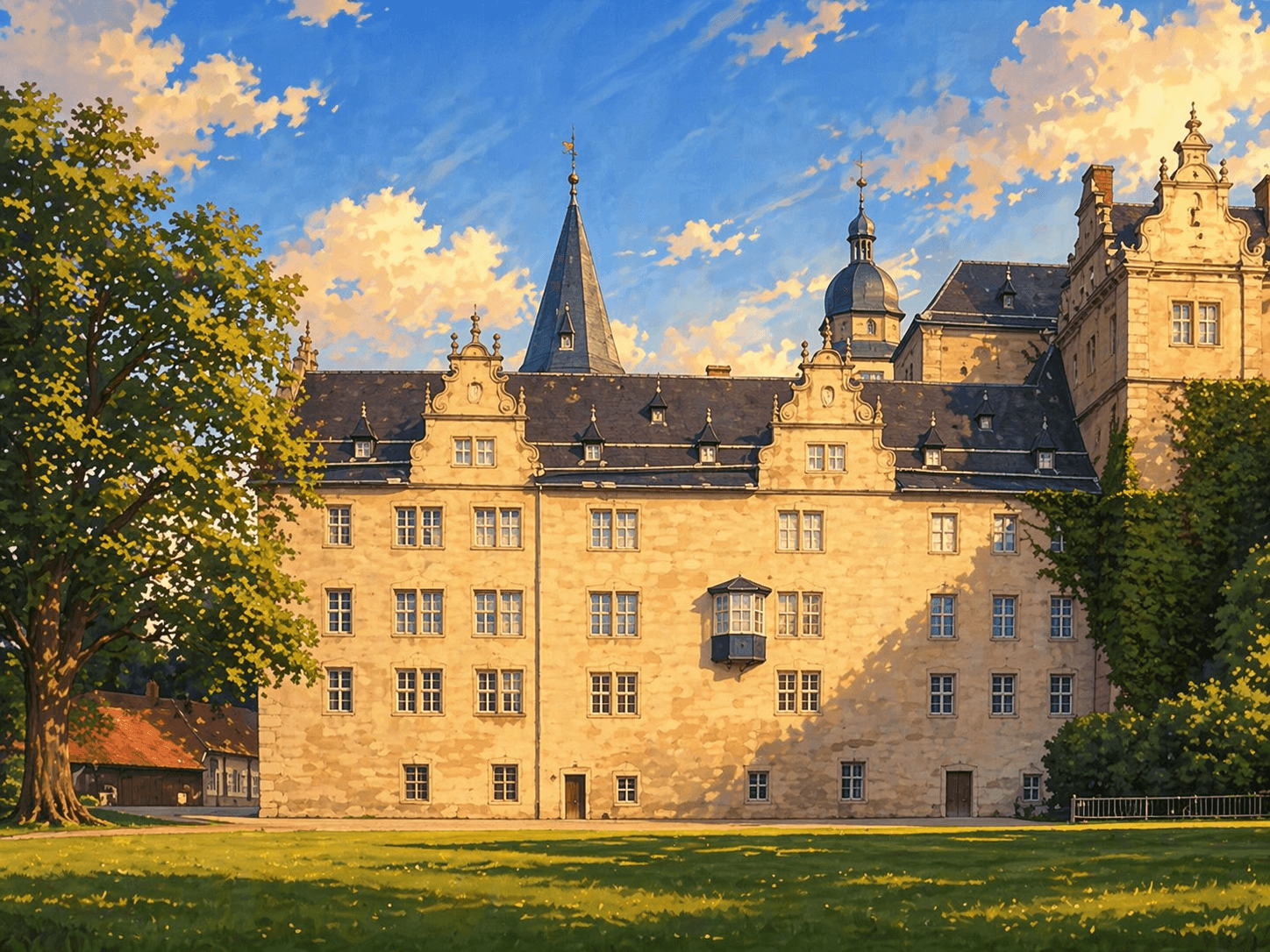
In March 2026, Wolfsburg saw numerous decisions on governance and administration take center stage. From the budget planning to citizen participation – an analysis of current developments in the city administration.
Governance in Motion – How Wolfsburg Makes Decisions in March 2026
The city administration of Wolfsburg is in constant motion. In March 2026, numerous decisions and discussions in the local councils and committees focused on governance and administration. The topics ranged from the organization of internal processes to how citizens can be more effectively included in decision-making. Below is an analysis of the most important developments.
Budget and Financial Planning – Challenges in the Local Councils
The allocation of the 2026 budget was a recurring topic in the local councils. In Almke/Neindorf, the City Center, and Vorsfelde, reports on the 2025 expenditure were presented, and attention turned to the upcoming budget planning. A central issue was the funding of the citizen portal "MeinWolfsburg," which had been proposed to enable digital participation in the budget process. However, by March 2026, it became clear that the technical implementation was not feasible, which is why a simple suggestion form was discussed as an alternative. This illustrates how Wolfsburg seeks to balance digital transformation with practical implementation.
Citizen Participation – Between Digital Visions and Real Constraints
The question of how to more effectively include citizens in administrative processes was a recurring topic. In several local councils, motions were submitted to improve digital participation – particularly in Almke/Neindorf and the City Center. However, there was disagreement about the right approach: Should efforts be focused on city-wide solutions or on isolated projects at the local council level? Ultimately, a pilot phase with a simple suggestion form was proposed, which shows that Wolfsburg is still in the experimental phase regarding digital citizen participation.
Documentation and Transparency – A Recurring Discussion Point
The adherence to agendas and the approval of minutes were on the agenda in all local councils. This reflects a general desire for transparency, which is gaining increasing importance in politics. In Detmerode, for example, the minutes of the meeting on 25.11.2025 were approved, while similar processes were underway in other districts. Additionally, public question-and-answer sessions were held, in which topics such as snow removal obligations, waste disposal, or traffic signage were discussed. These formats are a central element in building trust between the administration and the citizens.
Governance as a Priority – Also in Infrastructure
Alongside purely political decisions, infrastructure topics also took center stage. In several meetings, discussions took place about the cleanliness classes of streets, particularly in the City Center. An inter-party motion proposed an upgrade to Class I, which would include additional cleaning measures in both summer and winter. Furthermore, renovation procedures such as the one in "Die Höfe" in the City Center were addressed, with new elections for the renovation advisory board pending. These examples show how governance plays a central role even in technical and infrastructural decisions.
Conclusion – Governance as the Key to Urban Development
The decisions made in March 2026 show that governance in Wolfsburg is not only an administrative process but also a central component of urban development. Whether in budget planning, citizen participation, or the transparency of decision-making – the city is creating structures that aim for greater participation and sustainability. Whether the proposed pilot projects and reforms will deliver their intended effects in practice remains to be seen. But one thing is clear: Wolfsburg is relying on governance as the key to a future-ready city.
NeoSearch analyses public council documents, committee minutes and municipal announcements. Source references appear automatically once verified meeting data is available.
What does this mean for businesses?
Town halls, fire stations, depots and administrative buildings create early construction and refurbishment opportunities. Following council agendas reveals projects before they go to tender.
Track similar decisions in your region
Set up monitoring for public buildings & administration in Niedersachsen — prefilled from this article.
Set up monitoring →More signals from Wolfsburg
Wolfburg's Health Policy in April 2026: Integration, Care, and Senior Involvement in Focus
In April 2026, Wolfburg focused on central topics in health policy: the integration of employable asylum seekers into the health sector, the future of senior involvement, and the further development of care provision. The Social and Health Committee discussed concrete measures and initiatives that could shape the future of healthcare in the city.
Read more → Wolfenbüttel's Cultural Promotion in April 2026: Digitalization, Space Planning, and Democratic Transparency
In April 2026, Wolfenbüttel set new standards in cultural and community policy with concrete steps. The focus was on digitalization projects, space utilization in the cultural context, and strengthening democratic transparency in administration and cultural work. Here is an analysis of the most important developments.
Read more → Wolfsburg's Climate Protection: Feasibility Study for Allersee Heat Pump and Further Environmental Measures in April 2026
In April 2026, decisive debates took center stage in Wolfsburg's Environment and Climate Protection Committee. A feasibility study on using the Allersee for a heat pump, the Masterplan 100% Climate Protection, and initiatives for land de-sealing and the promotion of renewable energy show how the city plans to concretely achieve its climate goals – and where boundaries exist.
Read more →