Governance in Uslar: Analysis of Local Structures and Decision-Making Processes in April 2026
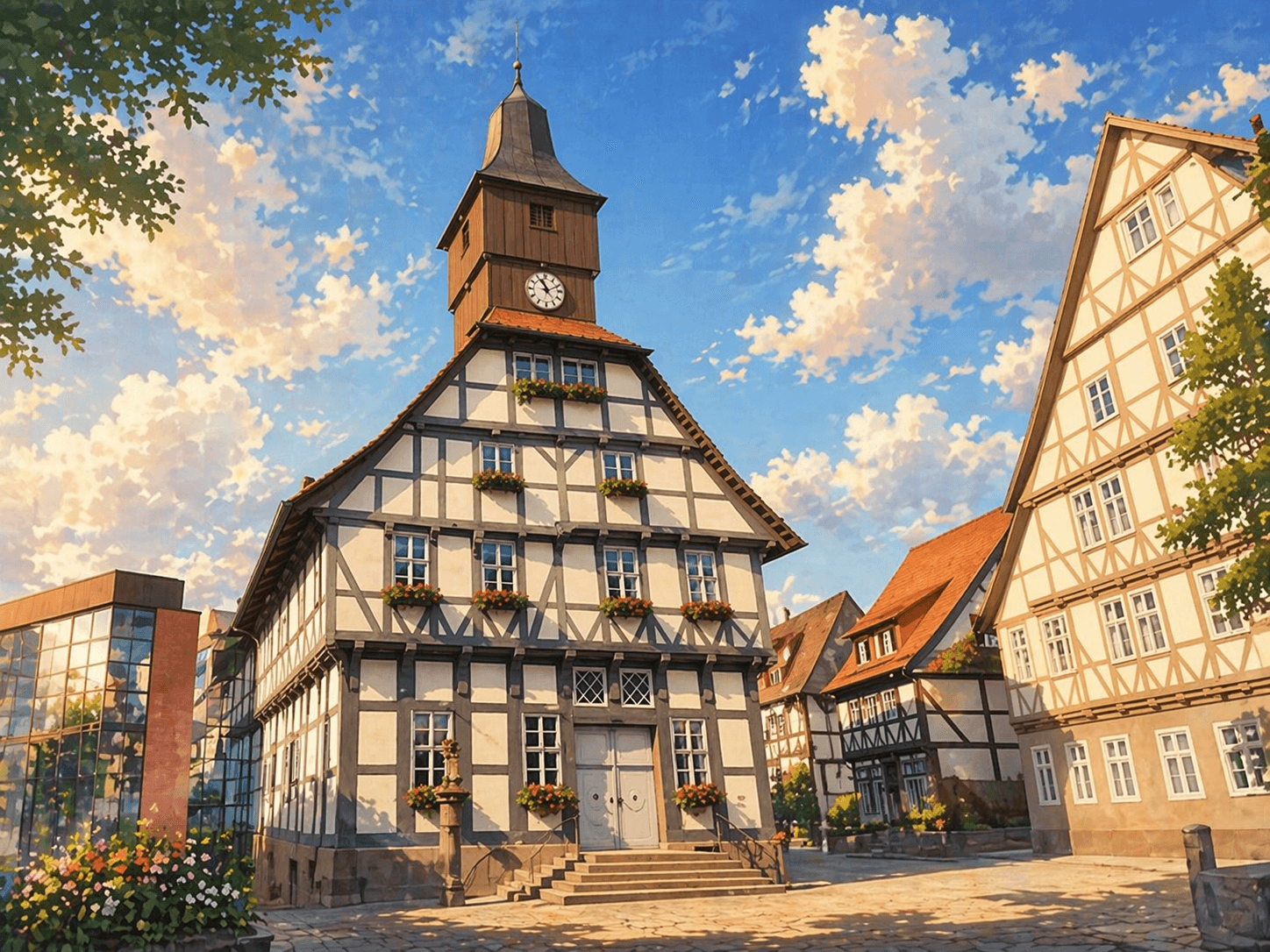
In April 2026, several public meetings in Uslar came into focus, offering insights into local governance and administrative participation. An analysis of decision-making processes in the municipal district context.
Governance in Uslar: How Decisions Are Made Locally
In German local politics, district councils play a central role, especially in smaller districts and municipalities. They form the basis for citizen-friendly decision-making and enable direct participation by the population. In April 2026, Uslar, a municipality with several districts, demonstrated active engagement in this area: Multiple district councils held meetings that featured both structural and thematic diversity.
Structure of Local Decision-Making
The district councils in Uslar are organized as municipal bodies that typically operate at the district level. Each council consists of elected representatives responsible for a specific district. These bodies meet regularly and address issues closely related to the everyday lives of residents – from road construction projects to social issues or the use of available funds.
In April 2026, public meetings were held in several districts, including Offensen, Sohlingen, Delliehausen, and Allershausen. The sessions followed a similar pattern: They began with the determination of the quorum and the approval of the minutes from the previous meeting. Afterward, citizen question hours and specific project topics such as flood protection, road maintenance, or the installation of defibrillators were on the agenda.
Participation and Transparency in Practice
A central aspect of governance in Uslar is the citizen question hour, which is planned for every meeting. This format allows citizens to directly ask questions to the district councils and raise topics of concern. It is an important instrument for local democracy and signals the municipality's willingness to address the needs of its residents.
Moreover, the communication around these meetings is notably transparent. The city of Uslar publishes meeting dates, agendas, and minutes publicly via the session service portal. Documents are typically available after the meeting and often accessible in advance, ensuring high transparency and planning reliability. Additionally, the location, time, and internal meeting number (e.g., Sohl/0010/2026) are clearly stated, ensuring clear traceability.
Challenges and Future Perspectives
Despite the structured approach, there are challenges. Some meetings, such as the district council in Sohlingen, could not provide detailed information about the agendas. This may be due to the complexity of the topics discussed or internal decision-making processes prior to publication. Although such "closed" meetings can be necessary, they also carry the risk of insufficient public information.
Another issue is the timing of the meetings. In Uslar, district councils meet on different days and at different times – from 7:00 PM to 8:00 PM – and often take place in village community centers or multi-purpose facilities. While this is citizen-friendly, it can make attending multiple meetings difficult, especially for engaged residents who are involved in several districts.
In the future, the city of Uslar could work on better coordinating meeting schedules and expanding digital participation formats. While the citizen question hour is a strong signal of citizen inclusion, online platforms or digital participation procedures could also play a complementary role – especially in times when physical presence is not always possible.
Conclusion: Governance as a Central Pillar of Local Politics
Local governance in Uslar in April 2026 appears lively, transparent, and citizen-oriented. The district council meetings are not just formal events but serve concrete decision-making and direct interaction between politics and the population. At the same time, the analysis also reveals areas for action, such as the expansion of digital participation formats or better coordination of meeting schedules. Anyone who wants to follow the future of local politics in Uslar should take a closer look at the work of the district councils – they are the engine driving the development of the city on a local level.
NeoSearch analyses public council documents, committee minutes and municipal announcements. Source references appear automatically once verified meeting data is available.
What does this mean for businesses?
Town halls, fire stations, depots and administrative buildings create early construction and refurbishment opportunities. Following council agendas reveals projects before they go to tender.
Track similar decisions in your region
Set up monitoring for public buildings & administration in Niedersachsen — prefilled from this article.
Set up monitoring →More signals from Uslar
Important Topics in April 2026 – Uslar Remains Active
A review of the most significant developments in Uslar in April 2026. Highlights from the local councils, current projects, and citizen participation in focus.
Read more → Cultural and Community Policy in Uslar: March 2026 in Focus
In March 2026, the development of cultural and community policy was at the center of attention in Uslar. The Cultural and Social Committee discussed important topics such as fee adjustments in the city archive, new guidelines for youth work and children's fire brigades, as well as the work of the coordinator for people with disabilities.
Read more → Uslar: Urban Development and Construction Projects in March 2026
In March 2026, Uslar focused on important decisions in the Building and Fire Protection Committee, particularly the renewal of a heating system and the modernization of the fire department's uniforms. This blog post analyzes the background, political decisions, and long-term implications.
Read more →