Education Policy in Osnabrück: Expansion of Full-Day Services, Digital Administration, and Youth Participation
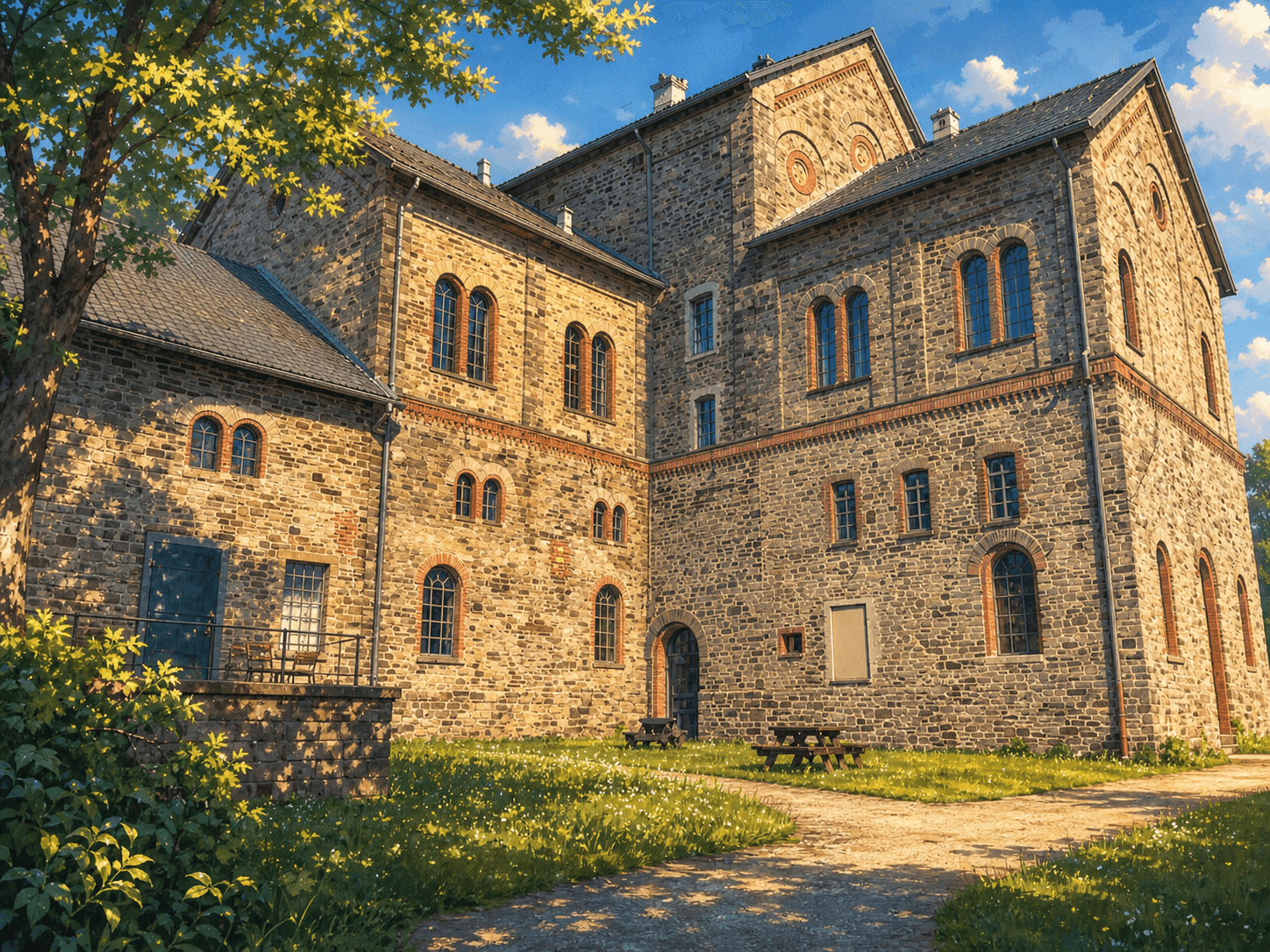
In January 2026, Osnabrück made significant decisions regarding education and public facilities. The Committee on Schools and Sports addressed the implementation of the full-day model, the digitalization of sports facility management, and the participation of youth parliamentarians.
Expansion of Full-Day Services at Primary Schools
In January 2026, Osnabrück reached another milestone in implementing the legal entitlement to full-day care, which becomes binding in 2026. The city has already converted all primary schools into full-day schools – a proactive step taken well before the law came into effect. The current discussion in the Committee on Schools and Sports focused on making the care services more flexible. Starting with the school year 2026/2027, a second pick-up time will be introduced to better accommodate parents’ needs without requiring additional staff resources.
Additionally, the summer holiday care program is being restructured. The city conducted comprehensive surveys with over 1,400 families participating. The results revealed a high demand for summer holiday care (83.84%) and a broad interest in activities such as sports, nature experiences, and creative workshops. The city plans to adjust the care hours and locations to better match these preferences, placing greater emphasis on flexibility and proximity.
Digitalization of Sports Facility Management
Another focal point of the committee meeting was digitalization in sports administration. The software "Locaboo" was launched to streamline the management of sports facilities. The rollout is being accompanied by training sessions and testing to ensure a smooth transition. These measures are part of the broader sports development plan, which includes four key areas: sports facility development, program development, the use of schoolyards as movement spaces, and structural development.
In addition, construction projects are underway at several open-air sports facilities, including the renovation of artificial turf fields and running tracks. These investments reflect the city's commitment to providing modern and safe infrastructure for both young and adult athletes.
Youth Participation and Quality of Stay
One of the central topics initiated by the youth parliamentarians is the installation of table-bench combinations at municipal playgrounds, football fields, and schoolyards. The proposal to install such facilities at as many locations as possible by 2028 was discussed and forwarded during the youth parliament meeting. The goal is to create accessible meeting places for children and young people that strengthen social cohesion.
Currently, table-bench combinations are already in place at 18 of the 46 schoolyards. The remaining 28 schools are being evaluated, especially in the context of renovation projects. In addition, covered table-bench combinations are to be installed at football fields. The city administration will be tasked with identifying, in collaboration with the youth parliament, additional suitable locations for such facilities.
Outlook: How Osnabrück is Developing Further
In January 2026, Osnabrück's education policy demonstrated itself as dynamic and oriented toward broad participation. The combination of pedagogical innovations, digital administration, and youth participation highlights how closely the city integrates citizens' interests into its planning processes.
In the coming year, the results of the summer care survey and the implementation of digitalization measures in sports administration will provide further momentum. The involvement of youth parliamentarians will remain a central component in the city's ongoing efforts to sustainably improve the quality of stay for its residents.
NeoSearch analyses public council documents, committee minutes and municipal announcements. Source references appear automatically once verified meeting data is available.
What does this mean for businesses?
Schools, daycare centres and public buildings create early planning and construction opportunities. Following council agendas surfaces tenders for refurbishment, new builds and fit-out months before the official award — from shell construction to specialist planning to furnishing.
Track similar decisions in your region
Set up monitoring for education & public facilities in Niedersachsen — prefilled from this article.
Set up monitoring →More signals from Osnabrueck
Financial Policy in Osnabrück: Budget Decisions and Risk Management in April 2026
April 2026 was marked in Osnabrück by significant decisions in the areas of finance and budgeting. Default guarantees, corporate loans, and investment strategies were the focus – with far-reaching implications for the city's budget planning and future risk profiles.
Read more → Governance and Administration in Osnabrück: Decisions in April 2026
In April 2026, Osnabrück made significant decisions in the area of governance and administration. The city council discussed topics such as security, night culture, industrial future, and cultural partnerships. An overview.
Read more → Legal Developments and Challenges in Osnabrück – April 2026
In April 2026, the city of Osnabrück made significant decisions in the area of law and administration. This blog post explores the implications for alcohol policy, integration, security, and municipal action.
Read more →