Oldenburg April 2026: Finance, Inclusion, and Culture in the Spotlight
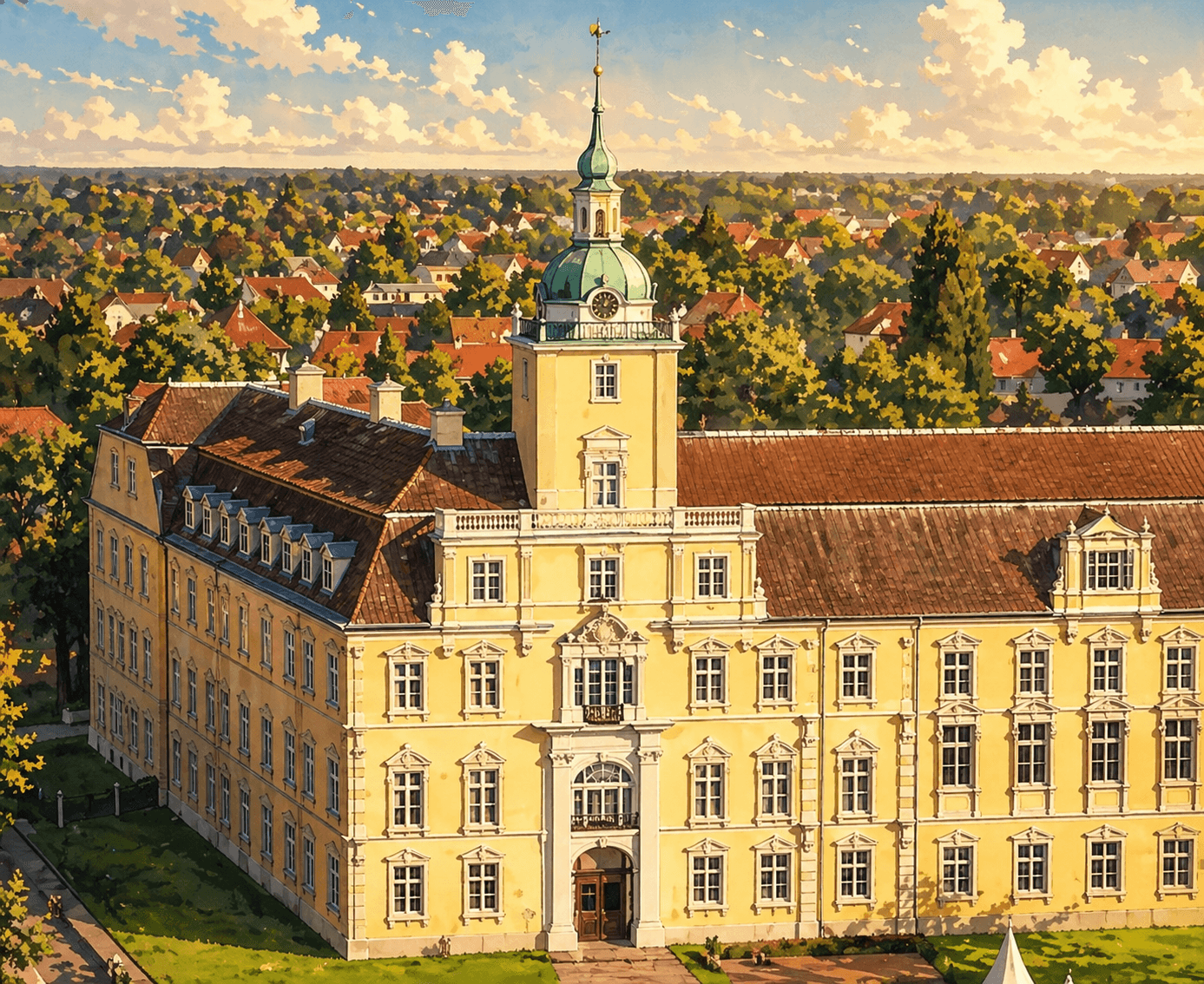
In April 2026, Oldenburg focused on crucial decisions in the areas of finance, social affairs, culture, and transportation. The emphasis was on transparency, inclusion, climate protection, and cultural memory. Here are the key developments at a glance.
April 2026: A Month of Clear Impulses for Oldenburg
What was important this month
- Finance & Transparency: The Committee on Finance and Investments proposes a fixed agenda item "Controlling Large Projects" to ensure transparency in cost developments.
- Accessibility & Inclusion: The SPD parliamentary group demands accessible paving and a specialist office for inclusion.
- Culture & Memory: The Cultural Committee approves a historical inquiry into the final phase of the Nazi regime in Oldenburg and supports cultural projects.
- Mobility & Transport: The Transport Committee addresses school streets, sustainability plans, and the Bicycle Climate Test.
- Environment & Climate: In the Committee for Urban Greenery and Environment, topics such as drinking water dispensers, climate-resilient forests, and wind energy projects are discussed.
Finance and Investments: Transparency for Large Projects
In April, the Committee on Finance and Investments examined the execution of the 2026 budget. A central topic was cost control for large projects such as the Flötenteichbad, the City Museum, and the Weser-Ems-Halle. The CDU parliamentary group called for a fixed agenda item "Controlling Large Projects" to be included in committee meetings in order to regularly monitor cost developments.
Another proposal concerned the establishment of a special fund for road repairs, financed by unused budget funds. The aim is to inform citizens early about repair timelines and to defer projects if necessary.
The 2026 budget execution currently shows a shortfall of approximately 73 million euros, with the areas of Social Affairs and Health being particularly affected.
Social Affairs and Inclusion: For an Accessible Daily Life
The Social Committee dealt intensively with topics such as accessibility, inclusion, and drug policy. The SPD parliamentary group demanded that the Rathausmarkt and Julius-Mosen-Platz be made accessible to allow people with mobility restrictions to cross safely. A tactile model for visually impaired individuals will be relocated to the pedestrian zone. The administration is tasked with preparing a timeline and budget estimate for 2027.
Another proposal called for the establishment of a specialist office for inclusion, which would clarify the responsibilities of the advisory board for people with disabilities and optimize the synopsis of advisory board elections. The parliamentary group DIE GRÜNEN also requested a statement on gender-specific aspects in drug policy.
Culture: Remembering the Nazi Era and Supporting Creative Projects
The Cultural Committee approved a historical inquiry into the final phase of the Nazi regime in Oldenburg, particularly the murder of deserters at the corner of Cloppenburger Straße / Bremer Straße. The goal is to identify the victims and provide the public with adequate information.
In addition, a grant of 35,000 euros was approved for the Werkstattfilm association for the digitization of historical film material. The "Nachtkultur" project launched with Night Culture Labs and workshops to strengthen club culture in Oldenburg. The artist Insa Winkler also presented her project "Alphabet Mensch – Reflection of the Anthropocene", which will be on display in the city from 14.06. to 15.08.2026.
Mobility: School Streets, Sustainability, and Bicycle Policy
The Transport Committee discussed school street pilot projects, particularly in the Junkerstraße, where the FDP parliamentary group advocates for free exemptions. The SPD parliamentary group called for a transport concept for the Schützenweg and the implementation of the Mobility Plan 2030.
The ADFC's Bicycle Climate Test showed that Oldenburg's rating dropped from 3.32 (2014) to 3.58 (2024) – a development the SPD parliamentary group used as an opportunity to call for concrete measures to improve safety and comfort for cyclists.
Environment and Climate: Drinking Water Dispensers, Climate-Resilient Forests, and Wind Power
In the Committee for Urban Greenery, Environment, and Climate, initiatives for climate adaptation were discussed. The SPD parliamentary group requested the evaluation of public drinking water dispensers and fog machines in particularly hot areas like the Dobbenwiese. In addition, a feasibility study for citizen participation in a wind farm in Bornhorst was proposed.
Regarding tree felling in the Große Bürgerbusch, the SPD parliamentary group demanded clear reports on the transformation into a climate-resilient forest. DIE GRÜNEN also called for a new inspection of the trees in the Nadorster Straße to resolve professional discrepancies.
Cross-topic: Transparency, Inclusion, and Climate as Central Themes
In April 2026, a clear picture emerges: transparency in financial policy, inclusion and accessibility in public space, cultural memory and support, and climate-friendly mobility and environmental measures are central themes shaping Oldenburg's politics. Especially in the debates about large projects, accessible redesigns, and climate adaptation, it becomes clear that the city is committed to a future-oriented, citizen-centered policy.
Conclusion and Outlook
April 2026 was a month with clear impulses in finance, social affairs, culture, and climate. The discussions on transparency, inclusion, and sustainability show that Oldenburg remains on a future-ready, citizen-oriented path. In May, further important meetings are scheduled – among others on business development, environmental planning, and education policy. Citizens are encouraged to get involved in these processes and actively shape them.
NeoSearch analyses public council documents, committee minutes and municipal announcements. Source references appear automatically once verified meeting data is available.
What does this mean for businesses?
Municipal council decisions are early indicators: following the council agenda surfaces projects and tenders months before the official award — before they ever reach the procurement portals.
Track similar decisions in your region
Set up monitoring for Finance and Budget in Niedersachsen — prefilled from this article.
Set up monitoring →More signals from Oldenburg
Oldenburg's Urban Development: Construction Plans, Traffic, and Stadium Reconstruction in April 2026 in Focus
In April 2026, central topics of urban development were in focus in Oldenburg: Staff shortages in building cleaning, planning for the relief road, the zoning plan N-777 G, and the future of the stadium. The blog offers an in-depth look into decisions, backgrounds, and conflicts in the urban space.
Read more → Mobility Debate in Oldenburg: From School Streets to the SUMP 2040
In April 2026, Oldenburg was at the center of several key decisions and discussions on the topic of mobility – from the introduction of school streets and the future of cycling to the development of the Sustainable Urban Mobility Plan (SUMP). We take a look at the most important developments and background.
Read more → Oldenburg's Childcare in April 2026: Transitions, Expansion, and Future Perspectives
In April 2026, the city of Oldenburg will set new milestones in childcare. With the introduction of a unified transition form from daycare to primary school, the conversion of a nursery group, and the revision of the Children and Youth Support Plan, the city demonstrates a broad commitment to high-quality, inclusive childcare. In this deep-dive blog, we explore the background, decisions, and implications.
Read more →