Cultural Policy in Oldenburg: New Guidelines, Fees, and Funding Projects in Focus
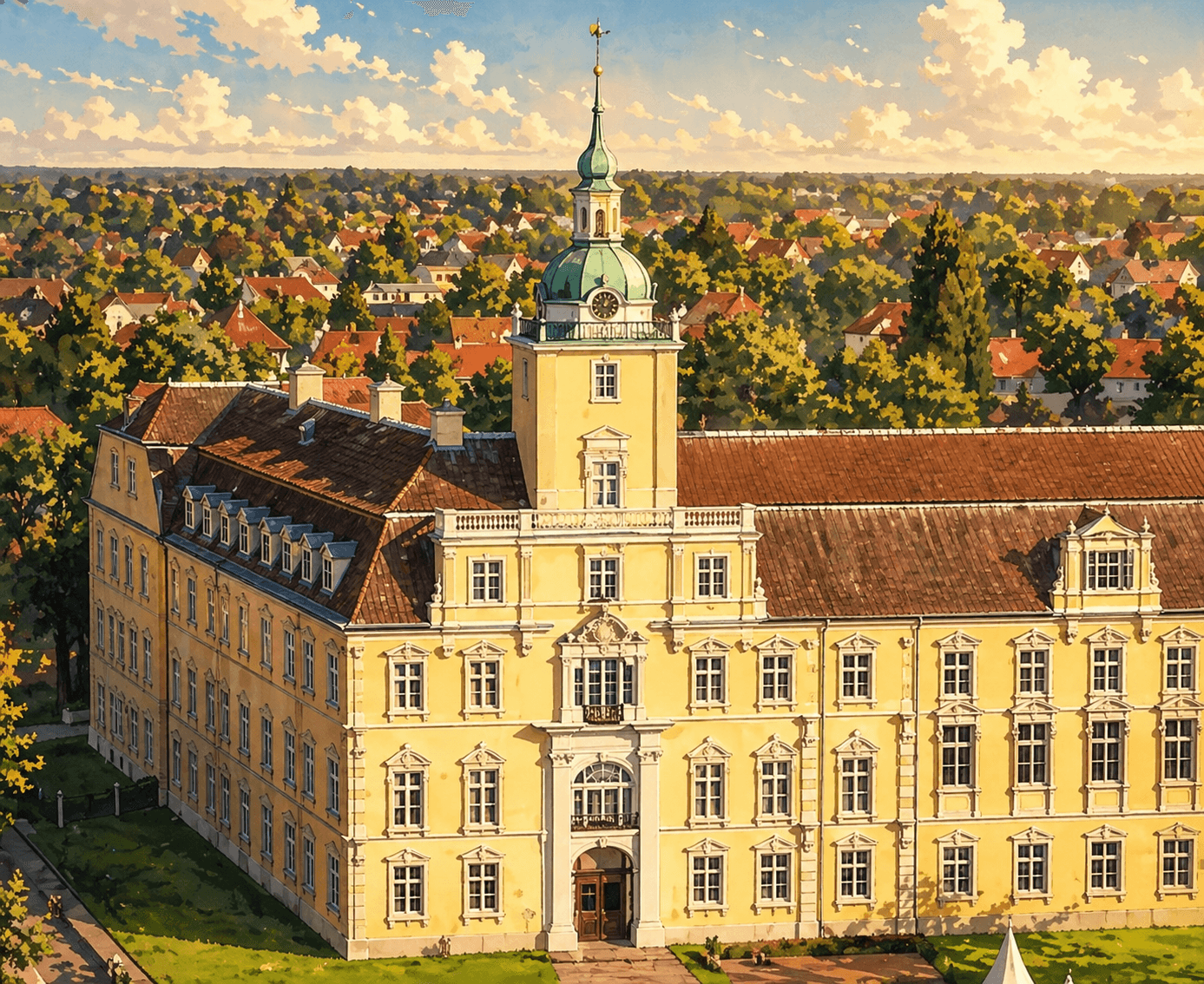
In February 2026, Oldenburg thoroughly addressed the future of its cultural infrastructure. The Cultural Committee decided on numerous new regulations regarding the use of cultural spaces, the city library’s bylaws, and cultural funding. At the same time, the city’s night culture is being reimagined. This blog provides an in-depth look at the decisions, backgrounds, and implications.
Cultural Policy in Oldenburg: New Guidelines, Fees, and Funding Projects in Focus
In February 2026, the Cultural Committee of the city of Oldenburg intensively discussed the future of cultural infrastructure and support. Numerous decisions were made concerning the use of cultural and educational institutions, the introduction of fees, and future cultural funding. The discussions reflect the diverse challenges associated with ensuring cultural participation, financial sustainability, and the transformation of the cultural landscape.
New Usage and Fee Regulations for Municipal Cultural Institutions
The Cultural Committee approved several revised versions of usage and fee regulations, which will come into effect in April 2026. The most significant changes apply to the cultural center PFL, the Old Machine Hall, and the city's museums, including the City Museum and the Horst-Janssen Museum.
The usage regulations define how and under what conditions spaces may be made available to external users. The use remains limited to cultural, social, and educational events; purely commercial use is not permitted. The regulations distinguish between three user groups (A, B, C), with group B – for example, cultural organizations – receiving preferential fees. Municipal bodies and schools use the spaces free of charge.
These regulations aim to ensure the financial viability of the institutions while promoting access for non-profit and cultural actors. At the same time, fees are moderately increased to cover rising operational costs.
Introduction of an Annual Fee for the City Library
Another central topic was the revised bylaws for the Oldenburg City Library. Starting in July 2026, a flat annual fee of 24.00 euros will be introduced for adults, while children and young people under 18 will continue to have free access. The fee applies to the use of the library card and also includes the borrowing of media.
The introduction of the fee is part of the project "Future Program for the Library Profile" and aims to promote educational equity and reduce bureaucratic barriers. At the same time, many previous individual fees for services such as renewals or borrowing will be eliminated. Discounts are available for certain groups such as recipients of social welfare under SGB II or people with severe disabilities, if they fall into other eligible groups.
Cultural Funding: Successes and Challenges
Municipal cultural funding was also a central topic. In 2025, a total of 270,000 euros were allocated for various funding pots, of which 171,884 euros were approved. While the funding pots "MACH|WERK," "General Project Funding," and "Cultural Education" were almost fully utilized, the funding pots for "Scene Culture" and "Neighborhood Culture" remained largely unused.
Discussions in the Cultural Committee showed that the funding criteria and application procedures are unclear or too complex for many actors. Councilwoman Dr. Chahine therefore proposed increasing the maximum funding amount to attract more projects. City Councillor Denckmann, on the other hand, emphasized that many applicants do not adapt their projects to the funding criteria and often do not contribute their own funds.
Project "Night Culture": New Approaches in Nightlife Policy
Another focus was the project "Night Culture," which aims to reshape the cultural nightlife in Oldenburg. In February 2026, a report on the current status was presented, indicating that planning for the "Night Culture Lab" is progressing for March 2026. This lab will bring together a broad spectrum of actors from the night and club culture as well as the administration to jointly develop solutions for the future.
The project is funded through the partial budget 06. A preliminary interim result is expected to be presented in May 2026 in the Cultural Committee. The goal is to develop a sustainable governance model for the city's cultural nightlife that takes into account both artistic freedom and social responsibility.
Outlook and Challenges
The decisions of the Cultural Committee show that Oldenburg is consciously working towards a culturally diverse and accessible city. At the same time, the city and its institutions face challenges arising from financial constraints, bureaucratic hurdles, and the transformation of the cultural landscape.
The introduction of fees, the reorganization of usage conditions, and the adjustment of cultural funding are just a few examples of how Oldenburg is trying to overcome these challenges. In the coming months, it will be interesting to observe how the new regulations affect the cultural scene and whether planned projects such as the "Night Culture Lab" will indeed bring fresh momentum to the city's cultural policy.
NeoSearch analyses public council documents, committee minutes and municipal announcements. Source references appear automatically once verified meeting data is available.
What does this mean for businesses?
Municipal council decisions are early indicators: following the council agenda surfaces projects and tenders months before the official award — before they ever reach the procurement portals.
Track similar decisions in your region
Set up monitoring for Culture and Community in Niedersachsen — prefilled from this article.
Set up monitoring →More signals from Oldenburg
Oldenburg's Urban Development: Construction Plans, Traffic, and Stadium Reconstruction in April 2026 in Focus
In April 2026, central topics of urban development were in focus in Oldenburg: Staff shortages in building cleaning, planning for the relief road, the zoning plan N-777 G, and the future of the stadium. The blog offers an in-depth look into decisions, backgrounds, and conflicts in the urban space.
Read more → Mobility Debate in Oldenburg: From School Streets to the SUMP 2040
In April 2026, Oldenburg was at the center of several key decisions and discussions on the topic of mobility – from the introduction of school streets and the future of cycling to the development of the Sustainable Urban Mobility Plan (SUMP). We take a look at the most important developments and background.
Read more → Oldenburg's Childcare in April 2026: Transitions, Expansion, and Future Perspectives
In April 2026, the city of Oldenburg will set new milestones in childcare. With the introduction of a unified transition form from daycare to primary school, the conversion of a nursery group, and the revision of the Children and Youth Support Plan, the city demonstrates a broad commitment to high-quality, inclusive childcare. In this deep-dive blog, we explore the background, decisions, and implications.
Read more →