Climate Protection and Environment in Oldenburg: Focus April 2026
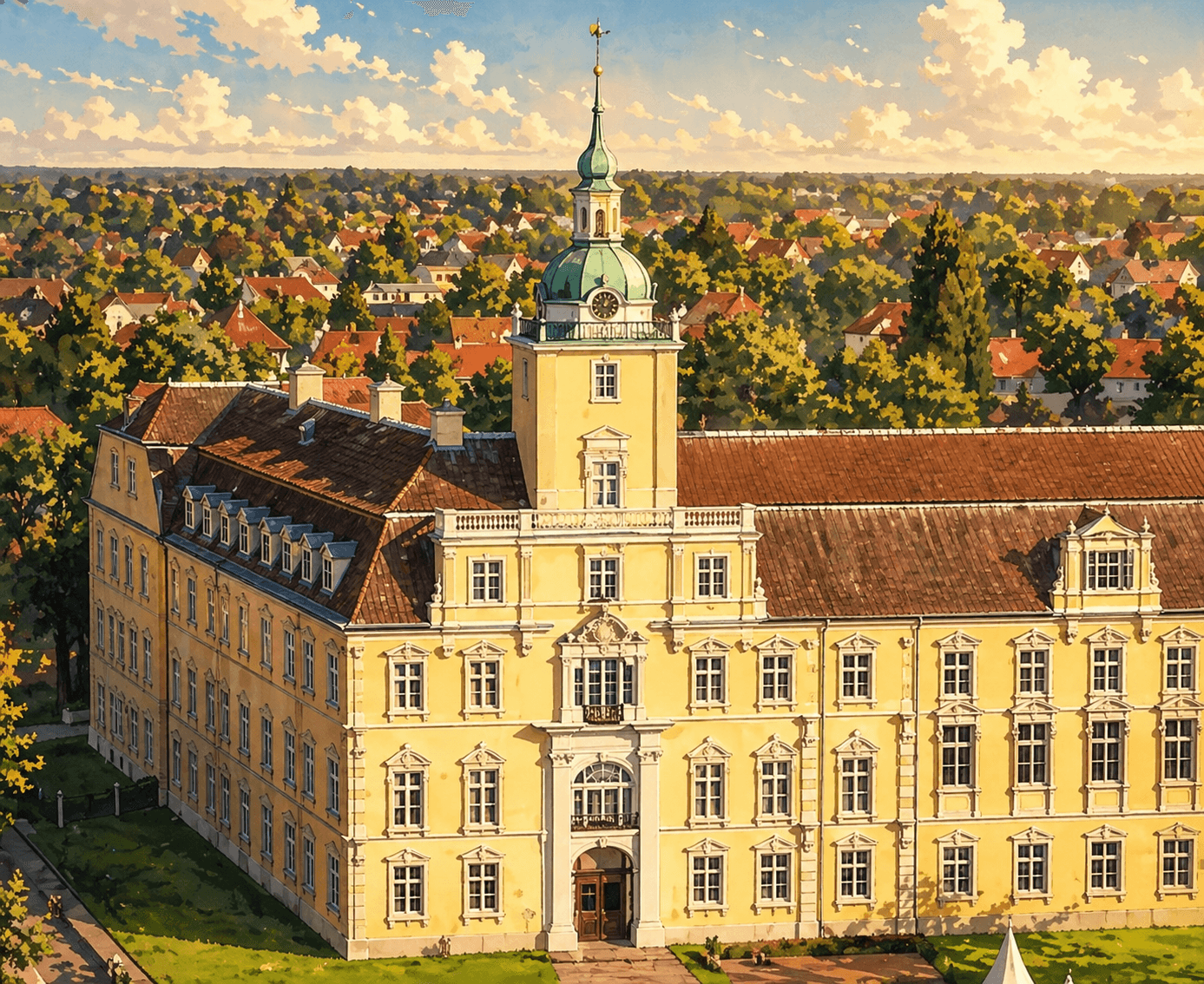
In April 2026, Oldenburg is intensifying its sustainability efforts, citizen participation, and innovative solutions in climate and environmental initiatives. Key topics include the expansion of waste management, the heat plan, forest transformation, and the integration of renewable energy.
Climate Protection and Environment in Oldenburg: Focus April 2026
In April 2026, the city of Oldenburg made important decisions on environmental and climate policy in several committees and meetings. With a clear focus on sustainability, citizen participation, and climate-resilient infrastructure, Oldenburg is pursuing long-term measures that address both ecological and social objectives. In this in-depth blog post, we highlight the most important developments in the areas of environment and climate in Oldenburg.
Waste Management: Investments and Sustainability in Focus
Oldenburg's Waste Management (AWB) has emerged as a key player in the city's climate protection profile in April 2026. With a budget surplus and investments in new waste collectors as well as construction measures amounting to 3.5 million euros, the city is demonstrating its readiness to invest in modern and environmentally friendly infrastructure.
A milestone is the planned renovation of the composting facility and the switch to loader operation. Particularly noteworthy is the construction of a new biogas plant, which will save 1,800 tons of CO₂ per year. In addition, the construction of a waste education trail has begun, which is expected to be completed in 2026. This trail aims to inform and raise awareness about waste prevention and recycling among the population.
Circular economy is another central aspect: compost from organic and tree waste will be reused in gardens. The avoidance of peat also protects Oldenburg's raised bogs, highlighting the connection between local waste management and global climate change.
Heat Plan and Heat Transition: Oldenburg is Focusing on Decarbonization
In April 2026, the city of Oldenburg approved the Oldenburg Heat Plan, a central component of the Climate Protection Plan 2035. With a total of 18 measures, 6 of which are already being implemented, the city is clearly on the path to decarbonizing its heating supply.
A central goal is to make Oldenburg independent from fossil fuels. The heat plan includes, among other things, the promotion of climate-friendly heating systems (e.g., heat pumps) and the use of deep geothermal energy. A heat transition advisory board has been established, supported by the Berlin Governance Platform. Its task is to provide recommendations on investment costs, financing, and feasibility.
In addition, new measures such as K1 (Communication) and F1 (Incentives for communal heating supply) are being integrated into the climate protection plan. Feasibility studies on the use of wastewater and river heat are already underway, showing that Oldenburg is thinking not only in the short but also in the long term.
Green Spaces and Climate Resilience: The Große Bürgerbusch is Being Redesigned
The Große Bürgerbusch is a symbol of Oldenburg's commitment to climate and nature protection. In April 2026, it was decided to transform this area into a climate-resilient mixed forest. The goal is to strengthen biodiversity, increase climate resilience, and at the same time preserve the park-like character.
The SPD faction requested transparent information policy and a clear justification for the planned tree felling. The city emphasizes that these measures are based on expert reasoning to ensure light control, vitality, and traffic safety. Through the redesign, the Bürgerbusch will not only become more climate resilient but also remain a vibrant habitat for animals and plants.
Another project is the "Wandering Forest" within the "Walking Trees to Tree Whispers" project. Here, trees are planted at locations that are usually not suitable for planting due to underground lines. The goal is to increase the vegetation share in overheated urban districts and at the same time create new green spaces.
Citizen Participation and Climate Protection: From Cleanup Actions to Wind Power
Citizen participation is a recurring theme in Oldenburg's environmental and climate policy. The action "Oldenburg cleans up!" attracted more than 8,000 participants in 2026 and collected 15 tons of waste. The SPD faction suggests that such actions should be held every six months in the future and that public relations should be strengthened.
Oldenburg is also relying on citizen participation for wind power projects such as the one in Bornhorst. The SPD faction calls for financial participation by the population to increase acceptance. This shows that Oldenburg not only wants to think sustainably politically, but also socially.
Conclusion: Oldenburg as a Model City for Climate-Friendly Policy
In April 2026, Oldenburg has shown with a wide range of measures that climate protection and environmental policy require not only long-term goals but also concrete actions. From waste management to heat planning, from green space development to citizen participation - Oldenburg is pursuing a holistic strategy that combines ecological, social and economic aspects.
In the future, it will be important to consistently implement these measures and to further strengthen the exchange with the population. In doing so, Oldenburg not only has the potential to play a pioneering role in climate protection, but also to serve as a living example of sustainability in the region.
NeoSearch analyses public council documents, committee minutes and municipal announcements. Source references appear automatically once verified meeting data is available.
What does this mean for businesses?
Municipal heat planning, photovoltaics and climate measures create early project indicators. Following council decisions surfaces sites and tenders before they are publicly advertised.
Track similar decisions in your region
Set up monitoring for environment & climate in Niedersachsen — prefilled from this article.
Set up monitoring →More signals from Oldenburg
Oldenburg's Urban Development: Construction Plans, Traffic, and Stadium Reconstruction in April 2026 in Focus
In April 2026, central topics of urban development were in focus in Oldenburg: Staff shortages in building cleaning, planning for the relief road, the zoning plan N-777 G, and the future of the stadium. The blog offers an in-depth look into decisions, backgrounds, and conflicts in the urban space.
Read more → Mobility Debate in Oldenburg: From School Streets to the SUMP 2040
In April 2026, Oldenburg was at the center of several key decisions and discussions on the topic of mobility – from the introduction of school streets and the future of cycling to the development of the Sustainable Urban Mobility Plan (SUMP). We take a look at the most important developments and background.
Read more → Oldenburg's Childcare in April 2026: Transitions, Expansion, and Future Perspectives
In April 2026, the city of Oldenburg will set new milestones in childcare. With the introduction of a unified transition form from daycare to primary school, the conversion of a nursery group, and the revision of the Children and Youth Support Plan, the city demonstrates a broad commitment to high-quality, inclusive childcare. In this deep-dive blog, we explore the background, decisions, and implications.
Read more →