Educational Policy in Nordhorn: Expansion, Flexibility, and Innovation in March 2026
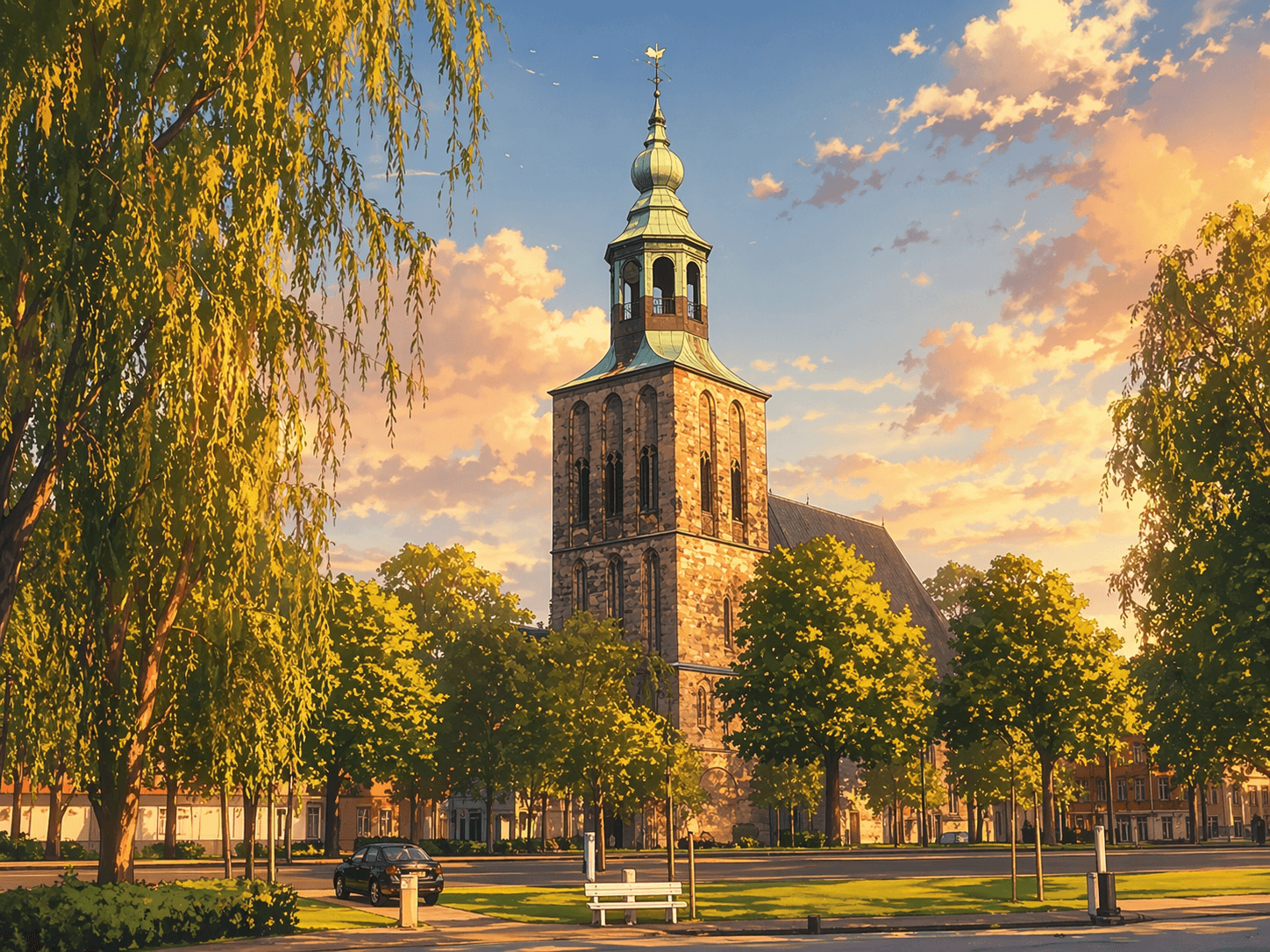
In March 2026, Nordhorn took decisive steps in educational policy. The city is responding to increasing student numbers, promoting extracurricular education, and setting new accents in school development.
Educational Policy in Nordhorn: Expansion, Flexibility, and Innovation in March 2026
Educational policy in Nordhorn has proven to be a dynamic and forward-looking field in March 2026. Due to rising enrollment numbers, new legal requirements, and innovative pedagogical approaches, several significant decisions have been made. As the operator of 13 elementary schools, the city of Nordhorn has actively addressed the challenge of meeting the demand for educational places, planning full-day school offerings, and integrating social and sports programs into schools.
Expansion of Pestalozzi Elementary School: Response to Increasing Enrollment Numbers
The city of Nordhorn has decided to set up an additional class at Pestalozzi Elementary School for the 2026/2027 school year. The decision was made due to 181 school-ready children in the northern district, although the school is officially authorized to operate with a single track. Seven first-grade classes are available across the district, with average enrollment numbers between 134 and 155 children.
The administration has no objections to the expansion of the school’s capacity, as there is spatial flexibility available. Particularly at Altendorfer Elementary School and Am Roggenkamp Elementary School, bottlenecks exist. While Altendorfer Elementary School has 50 applications for only 43 available places, the number of repeaters at the Roggenkamp Elementary School could strain capacities.
Promotion of Extracurricular Learning Sites: 50,000 Euros for Bus Trips
In addition to expanding school capacities, Nordhorn has set up a grant fund of 50,000 euros to support extracurricular learning trips. Each school receives a base amount of 1,500 euros, with additional funds distributed according to student numbers. The administration manages these funds as a virtual budget to enable transparent and flexible use. The evaluation of the process is planned for the end of the year.
With this instrument, Nordhorn aims to complement school learning and improve access to extracurricular educational opportunities. The administration has also approved a "walking bus" at Am Roggenkamp Elementary School. This project aims to reduce school traffic, increase road safety, and foster children's independence. The costs for stop signs and accompanying personnel are estimated at 500 euros.
School Social Work: Strengthening Pedagogical Support
The locally funded school social work in Nordhorn will continue until the summer of 2028. Four full-time positions for school social workers have been established at six elementary schools, serving as a bridge function between school and youth welfare. The main areas of focus include individual case support, crisis intervention, and preventive work, with these priorities varying by school.
The city of Nordhorn also plans a school social work conference to discuss challenges in pedagogical work and promote networking with external partners such as youth welfare or municipal youth work. Should the state of Lower Saxony take over these positions under state sponsorship, the local funding would end.
Preparation for the Right to Full-Day Care
Starting with the 2026/2027 school year, elementary school children will have a statutory right to full-day care five days a week. The city of Nordhorn is planning a participatory process to shape the future of this care. A participation workshop is scheduled for April 2026, a kick-off in May 2026, and a follow-up process in February 2027. The costs for process facilitation are estimated at around 20,000 euros.
The city of Nordhorn is working to create a comprehensive educational environment that connects both school-based and extracurricular offerings while considering the needs of children and their families. The planning is carried out in close cooperation with school principals, parents, and pedagogical professionals.
Conclusion: Education in Nordhorn as a Central Future Field
The decisions made in March 2026 show that Nordhorn is actively addressing challenges in educational policy. By expanding school capacities, promoting extracurricular learning sites, and strengthening pedagogical support, the city will further develop its educational landscape. At the same time, the preparation for the statutory right to full-day care marks a process that will shape the future of school-based and extracurricular care in Nordhorn.
NeoSearch analyses public council documents, committee minutes and municipal announcements. Source references appear automatically once verified meeting data is available.
What does this mean for businesses?
Schools, daycare centres and public buildings create early planning and construction opportunities. Following council agendas surfaces tenders for refurbishment, new builds and fit-out months before the official award — from shell construction to specialist planning to furnishing.
Track similar decisions in your region
Set up monitoring for education & public facilities in Niedersachsen — prefilled from this article.
Set up monitoring →More signals from Nordhorn
Nordhorn: Urban Development and Construction in April 2026 – Planning, Environment and Infrastructure in Focus
In April 2026, the city of Nordhorn made numerous significant decisions in the areas of urban development and construction. From the planning of a new multi-purpose hall to the design of residential development plans and environmentally compatible construction projects – the focus was on sustainable development and infrastructure.
Read more → Nordhorn in April 2026: Economic Impulses through Tourism, Infrastructure, and Digitalization
In April 2026, the city of Nordhorn will focus more strongly on economic promotion. With priorities on tourist infrastructure, mobile network expansion, and broadband connectivity, the municipality demonstrates a strategic orientation toward sustainability, competitiveness, and digital opportunities.
Read more → Nordhorn: 2026 Budget Planning – Between Surpluses and Rising Deficits
In April 2026, Nordhorn presented an impressive 2025 financial settlement. However, the future holds challenges. This deep dive explores the city's financial developments, investment plans, and risks as of April 2026.
Read more →