Urban Development in Lüneburg: Renovations, Financing, and Sustainability in Focus
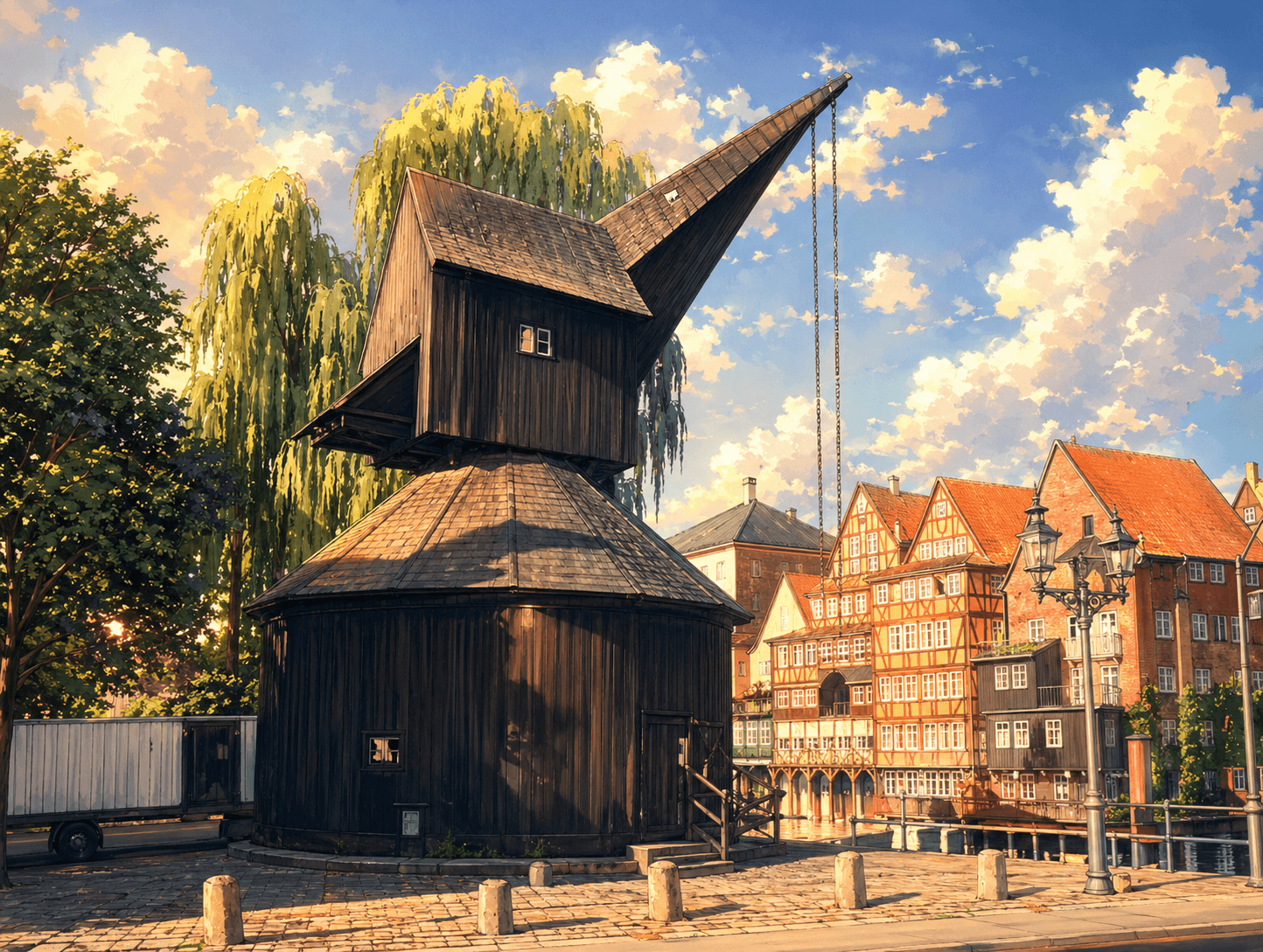
In February 2026, Lüneburg made significant decisions on urban development, renovation areas, and financing. The Committee for Construction and Urban Development set clear priorities for investments, district management, and sustainability.
Urban Development in Lüneburg: How the Town Hall Shapes the Future
Lüneburg has established itself in recent years as a model city for sustainable urban development. In February 2026, the Committee for Construction and Urban Development set further milestones in this process. With a focus on renovation areas, financing models, and energy-efficient building projects, it became clear: the city is not only investing in buildings, but in its future.
Expansion and Strengthening of Renovation Areas
The political focus was on the renovation areas "Westliches Wasserviertel" and "Am Weißen Turm." Both districts benefit from comprehensive planning that is forward-looking not only in terms of construction, but also financially and socially.
The Town Hall is now being integrated into the "Westliches Wasserviertel" renovation area. The amendment to the renovation ordinance allows for a closer connection to the central role of the Town Hall in urban development. In "Am Weißen Turm," a new financing overview was approved that makes investment needs more transparent. At the same time, a motion for the strengthening of district management was submitted – a sign that it is not only about buildings, but about vibrant neighborhoods.
The current staffing of district management with 19 weekly hours is considered insufficient. The city has a clear goal: more staff, better structures, and long-term planning. Unimplemented measures have already led to a loss of 2.2 million euros, emphasizing the urgency of effective implementation.
Financing Major Projects: Challenges and Opportunities
The financial scope of the planned projects is impressive. The project volume for "Westliches Wasserviertel" and "Am Weißen Turm" is being recalculated, which raises hopes for a more precise and possibly more realistic financing.
Major projects such as the new East Fire Station (40 million euros), the Salt Museum (>15 million euros), the Johanneum Gymnasium (16 million euros), and the IGS Kreideberg Upper School Center (16.3 million euros) show that Lüneburg will not only renovate, but also build anew in the coming years. These investments are not only a major burden for the municipal budget, but also a contribution to the city's future viability.
Sustainability as a Central Component of Urban Development
Sustainability in Lüneburg is not just a buzzword, but part of the building culture. Examples such as the extension of the Brandheider Weg daycare center to the Passive House standard, insulation on Reitende-Diener-Straße, or photovoltaic systems on administrative buildings show that the city acts sustainably on multiple levels.
Particularly noteworthy is the use of wooden modules and temporary construction methods, which are flexible, energy-efficient, and resource-saving. Green roofs, barrier-free construction, and energy-saving systems are integrated into many projects, underlining Lüneburg's pioneering role in sustainable urban development.
Education and Daycare: Investment in the Future of Children
Educational institutions and daycare centers in Lüneburg are not only social facilities, but also investments in the city's future. The new construction of the Johanneum Gymnasium and the IGS Kreideberg Upper School Center are examples of how Lüneburg is building for the future viability of its educational institutions.
The Brandheider Weg daycare center is another highlight: with a total project volume of 6.2 million euros (extension, renovation, outdoor facilities) and the implementation of the Passive House standard, the city is setting clear benchmarks here. The completion of the old building renovation project is planned for spring 2026.
Outlook: A City in Transition
The decisions made by the Committee for Construction and Urban Development show that Lüneburg is not only reacting to the present, but actively shaping the future. With a clear focus on sustainability, financial transparency, and social infrastructure, the city has established a sustainable development approach. The challenges – such as unimplemented measures and staffing shortages in district management – show that implementation is just as important as planning.
In 2026, Lüneburg will show whether these ambitions can be translated into reality – and thus not only build, but also sustainably improve the quality of life for its citizens.
NeoSearch analyses public council documents, committee minutes and municipal announcements. Source references appear automatically once verified meeting data is available.
What does this mean for businesses?
Urban development, zoning plans and commercial settlements create early construction and supply opportunities. Following council decisions reveals projects before they go to tender.
Track similar decisions in your region
Set up monitoring for economic development in Niedersachsen — prefilled from this article.
Set up monitoring →More signals from Lueneburg
Lüneburg's Path into the Future of Care – April 2026
In April 2026, Lüneburg sets key impulses for a forward-looking design of care. The Hospital St. Nikolaihof Foundation presents the Senior and Care Support Center (SPN) and provides insights into the implementation of funding applications. An overview of current developments in the field of health and public health.
Read more → Lüneburg's Urban Development: Between Renovation, New Construction, and Climate Protection
In April 2026, Lüneburg has taken decisive steps in urban development and construction planning – from the renovation of the IGS Kreideberg to the redesign of the Wagenplatz in the northwest of the city. An overview of the most important topics, backgrounds, and consequences.
Read more → Education Policy in Lüneburg: School Development and Full-Day Schools in April 2026
In April 2026, Lüneburg made significant progress in education policy. The joint school development process of the Hanseatic city and the district, as well as the implementation of the legal entitlement to full-day care at primary schools, were central topics. These measures demonstrate how Lüneburg is responding to future challenges in education.
Read more →