Climate Neutrality in Lingen: How the City is Transforming the Heating Sector
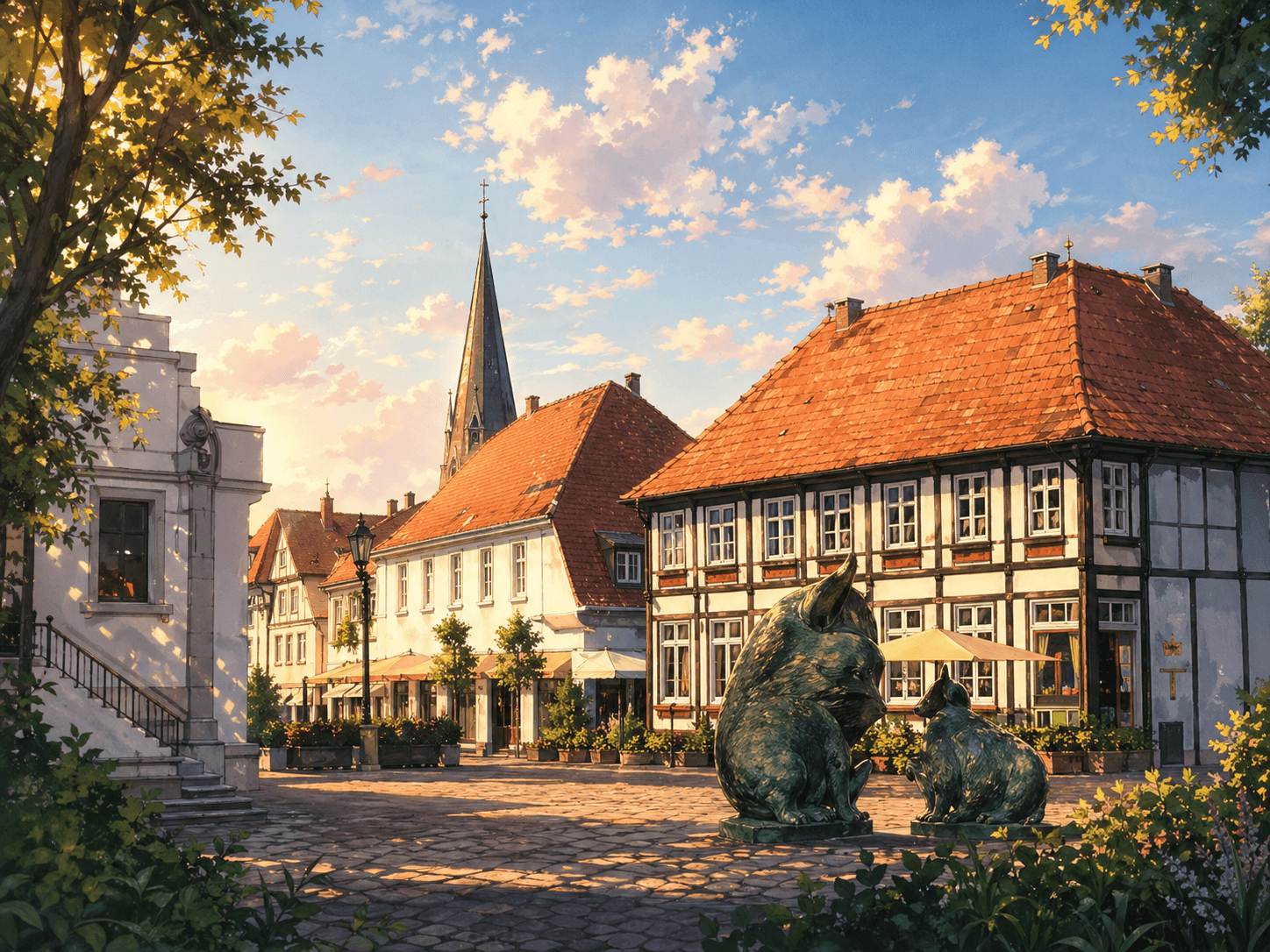
Lingen is consistently committed to achieving climate-neutral heating by 2040. In April 2026, key measures and plans were presented that will shape the region’s energy future.
Climate-Neutral Heating – Lingen is Transforming the Heating Sector
Amid the energy transition and Germany’s climate targets, the city of Lingen (Ems) took a decisive step toward climate-neutral heating in April 2026. With its municipal heating plan and a range of investment and renovation measures, the city aims to establish a climate-neutral heating sector by 2040. The focus is on renewable heat sources, energy efficiency, and the modernization of the heating stock.
Heat Pumps as the Technology of the Future
A central role is played by the use of heat pumps, especially the water-to-water variant. Lingen benefits from favorable conditions due to groundwater, which can be used as a heat source particularly efficiently. According to the plan, heat pumps will gradually replace gas and oil heating systems. Although air-to-water heat pumps are more cost-effective, they are less efficient and will therefore primarily be used in peripheral areas.
Scale effects and standardization in the heat pump market will reduce costs in the future, which could accelerate expansion. With the increasing electrification of heating, the electricity mix will also be crucial for the city's climate balance. Lower Saxony aims to decarbonize the electricity mix by 2040, a goal Lingen strongly supports.
Heating Networks and Infrastructure: The Central Pillars of the Heating Transition
In densely populated areas such as the city center and the Emsauenpark, Lingen is relying on central heating networks. These enable efficient heating supply over a long period and are particularly suitable in compacted areas. The city plans to continue expanding the heating network until 2040, with a focus between 2030 and 2035.
Feasibility studies for new heating networks, such as along the school axis, are already underway. The Heating Network Geography serves as a strategic orientation to identify the most economical and climate-friendly solutions. The goal is to replace fossil fuel consumption with green heat and to efficiently supply as many buildings as possible.
Biomass, Hydrogen, and Waste Heat: Diverse Energy Sources
In addition to heat pumps and heating networks, biomass plays an important role. Although the quantities are limited, biomass remains a stable source of heat supply. Biogas and pellet boilers are current anchor solutions already in use in the city.
Hydrogen is considered an option for the regional economy but is not suitable for a comprehensive heating supply by 2040. Waste heat from industry and sewage treatment plants can also be used. The Lingen sewage treatment plant offers a continuous low-temperature heat source that is well suited for district heating.
Municipal Implementation and Governance: A Coordinated Process
The implementation of the heating plan is a coordinated process taking place on multiple levels. A Heating Transition Compass has been established as a guiding instrument, and an interdisciplinary working group has been formed. This group is responsible for training, monitoring, and the development of measures.
Municipal properties are not only anchor customers but also demonstration objects for new technologies and renovation strategies. Integrated building concepts are another focus area to plan in a coordinated and efficient manner.
Energy Efficiency and Renovation: Challenge and Opportunity
The renovation of the building stock is a central challenge. Currently, the final energy demand is around 370 GWh, with natural gas accounting for the largest share. The goal is to bring the entire building stock up to the KfW standard by 2040. To achieve this, renovations must be accelerated in order to reduce the heating demand to 215–253 GWh by 2040.
The age structure of heating systems is a problem. 70% of heating systems are older than 10 years, and by 2040, this share will increase to 70% of heating systems being over 30 years old. Rapid modernization is therefore essential.
Communication and Citizen Participation: Key to Success
Implementing the heating transition is not only a technical but also a social challenge. Therefore, Lingen is focusing on extensive public outreach. A central advisory office, known as the "Heating Transition Guide," will support citizens in switching to renewable heat sources.
Target-group-specific information materials, digital participation platforms, and public events are part of the strategy. Through transparency and participation, the city aims to build trust and leverage synergies.
Conclusion: Lingen as a Pioneer in the Heating Transition
With its municipal heating plan and the wide range of measures, Lingen has established itself as a pioneer in the heating transition. With a clear goal by 2040, a variety of technologies, and strong citizen participation, the city demonstrates what climate-neutral heating can look like in practice. The coming years will be decisive in implementing the plan and achieving climate goals.
NeoSearch analyses public council documents, committee minutes and municipal announcements. Source references appear automatically once verified meeting data is available.
What does this mean for businesses?
Municipal heat planning, photovoltaics and climate measures create early project indicators. Following council decisions surfaces sites and tenders before they are publicly advertised.
Track similar decisions in your region
Set up monitoring for environment & climate in Niedersachsen — prefilled from this article.
Set up monitoring →More signals from Lingen
Economic Development in Lingen (Ems): Focus on Job Fair, Rental Price Index, and Investor Lots in April 2026
In April 2026, Lingen (Ems) prioritized key decisions and discussions in the areas of economy and housing. The Emsland 2026 job fair, the current rental situation, and the marketing of investor lots for affordable housing sparked lively debates in the Economic and Real Estate Committee.
Read more → April 2026: Urban Development, Climate, and Housing in Lingen
April 2026 brought significant decisions regarding the rental price index, urban development, and climate-friendly heat planning in Lingen (Ems). We provide an overview of the key topics of the month.
Read more → Sports Funding in Lingen: Grants and Cultural Traditions
In April 2026, Lingen made decisions regarding the funding of sporting and cultural events. Particularly, the shooting association benefited from new grants.
Read more →