Hannover Focuses on Neighborhood Development and Social Integration – Spotlight on March 2026
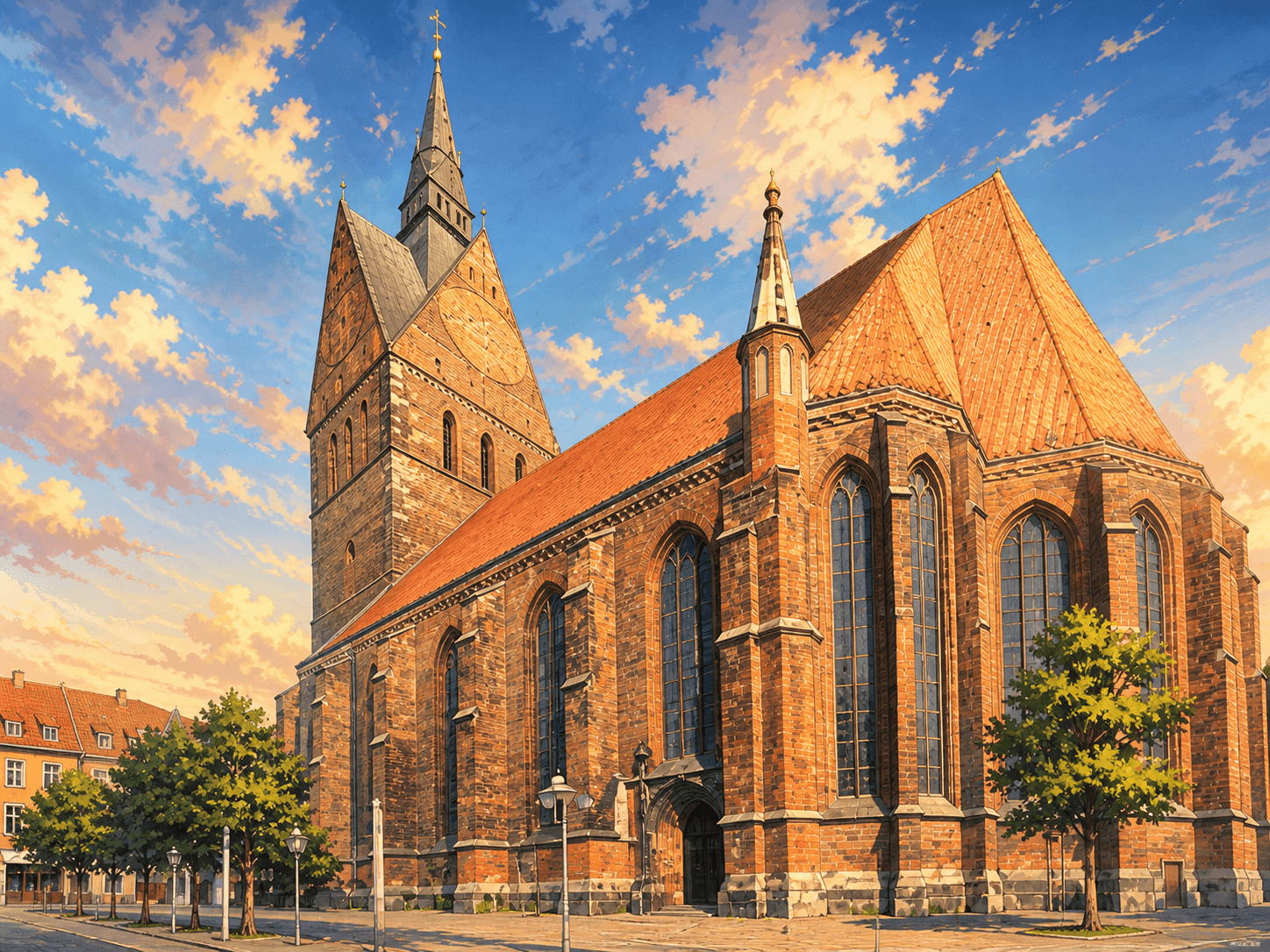
In March 2026, the city of Hannover intensified its efforts in neighborhood development, social infrastructure, and integration in disadvantaged districts. Numerous projects were supported, financing models optimized, and new structures such as hanova KOMMUNAL GmbH established. An overview of the key developments in social affairs and housing policy.
Social Affairs and Housing Policy in Hannover: Neighborhood Development in Focus
In March 2026, the city of Hannover intensified its focus on neighborhood development and social integration to reduce social inequalities and improve the quality of life in disadvantaged districts. Numerous projects were financially supported, new structures established, and funding models optimized. Central to these efforts were not only social infrastructure, but also the fight against homelessness and housing shortages, as well as the strengthening of civic engagement.
Neighborhood Development and Social Cohesion
A central element of Hannover’s social policy is the program “Social Cohesion – Shaping Life Together in the Neighborhood.” Since 2020, the city has supported disadvantaged districts such as Sahlkamp-Mitte, Vahrenheide Ost, or Mühlenberg to strengthen social cohesion and improve living conditions. These projects are implemented on redevelopment sites and must be carried out in close coordination with the redevelopment commissions.
In March, several projects were approved, including the “Stöber-Treff Sahlkamp” – a social retail store for low-income and unemployed individuals – and the youth participation project “MEINE HOOD – It Goes On.” These initiatives contribute to promoting social participation and strengthening local identity.
In addition, a new neighborhood management structure was established for the “Social City” program, operating in close cooperation with local actors such as associations, schools, and social workers. The aim is to develop long-term solutions for social challenges, with systematic consideration of gender-related aspects.
Funding and Grant Conditions
The funding of social projects is managed through the partial budget TH 19. Projects can receive up to 80% of costs as non-repayable grants, with a maximum of 50,000 euros per year. A minimum co-financing contribution of 20% is required, and non-monetary contributions such as volunteer work or space usage are also recognized.
For grants exceeding 10,000 euros, approval by the respective redevelopment commission is required. Payments are made in quarterly installments, and an administrative cost allowance of 5% can be included. Project documentation must include measurable goals, target groups, and financial planning to ensure transparency and accountability.
Combating Homelessness and Housing Shortages
Another key focus was the fight against homelessness. In March 2026, hanova KOMMUNAL GmbH was founded as a 100% subsidiary of the City of Hannover. The GmbH is responsible for new construction projects, renovations, and maintenance of accommodations for homeless people, refugees, and schools. It has a share capital of 25,000 euros and a capital injection of 5 million euros to ensure liquidity.
In addition, an expert committee was established for the project “Eliminating Homelessness by 2030.” The goal is to develop long-term strategies for the accommodation and integration of people in precarious housing situations. The city plans to increase the number of single rooms in homeless shelters and create new housing models such as micro-apartments and shared housing.
Integration and Migration Policy
There were also advances in the field of migration policy in March 2026. The target of providing 10,000 migration consultations per year was exceeded with 11,726 consultations. In addition, a concept was developed using a phase model to systematically support refugees and integrate them sustainably into society.
A particular focus was placed on combating anti-Black racism. For this purpose, so-called A-Teams were established to carry out preventive work in cooperation with local organizations. In addition, an ordinance on public safety was passed, which takes into account gender-specific aspects, especially in dealing with sexual harassment in public spaces.
Outlook and Challenges
The developments in March 2026 show that Hannover is consistently committed to social justice and integration. At the same time, challenges such as the fight against homelessness, the provision of housing, and the strengthening of social infrastructure remain. In the coming months, the city will need to focus crucially on implementing long-term strategies and ensuring financial sustainability.
NeoSearch analyses public council documents, committee minutes and municipal announcements. Source references appear automatically once verified meeting data is available.
What does this mean for businesses?
Municipal council decisions are early indicators: following the council agenda surfaces projects and tenders months before the official award — before they ever reach the procurement portals.
Track similar decisions in your region
Set up monitoring for kommunale Projekte in Niedersachsen — prefilled from this article.
Set up monitoring →More signals from Hannover
Sport in Hannover: Structural Realignments and Investments in April 2026
In April 2026, Hannover decided to redefine its sports promotion, make significant investments in championships, and secure the future of its ice sports infrastructure. This blog post analyzes the new principles, financial highlights, and the long-term impact on the city's sports landscape.
Read more → Culture and Community in Hannover: Support, Projects, and Debates in April 2026
In April 2026, significant decisions in the areas of culture and community were in focus in Hannover. The Cultural Committee supported innovative projects, discussed the Volunteer Card, and provided impetus for artistic exhibitions and cultural participation.
Read more → Hannover Invests Heavily in Climate Protection: Community Gardens as Key to Urban Climate Adaptation
In April 2026, Hannover presented an ambitious concept for climate protection and green space development. Central to this is the role of community gardens as multifunctional spaces for climate adaptation, biodiversity promotion, and retention.
Read more →