Hannover Invests Heavily in School Construction and Infrastructure – An Overview of January 2026
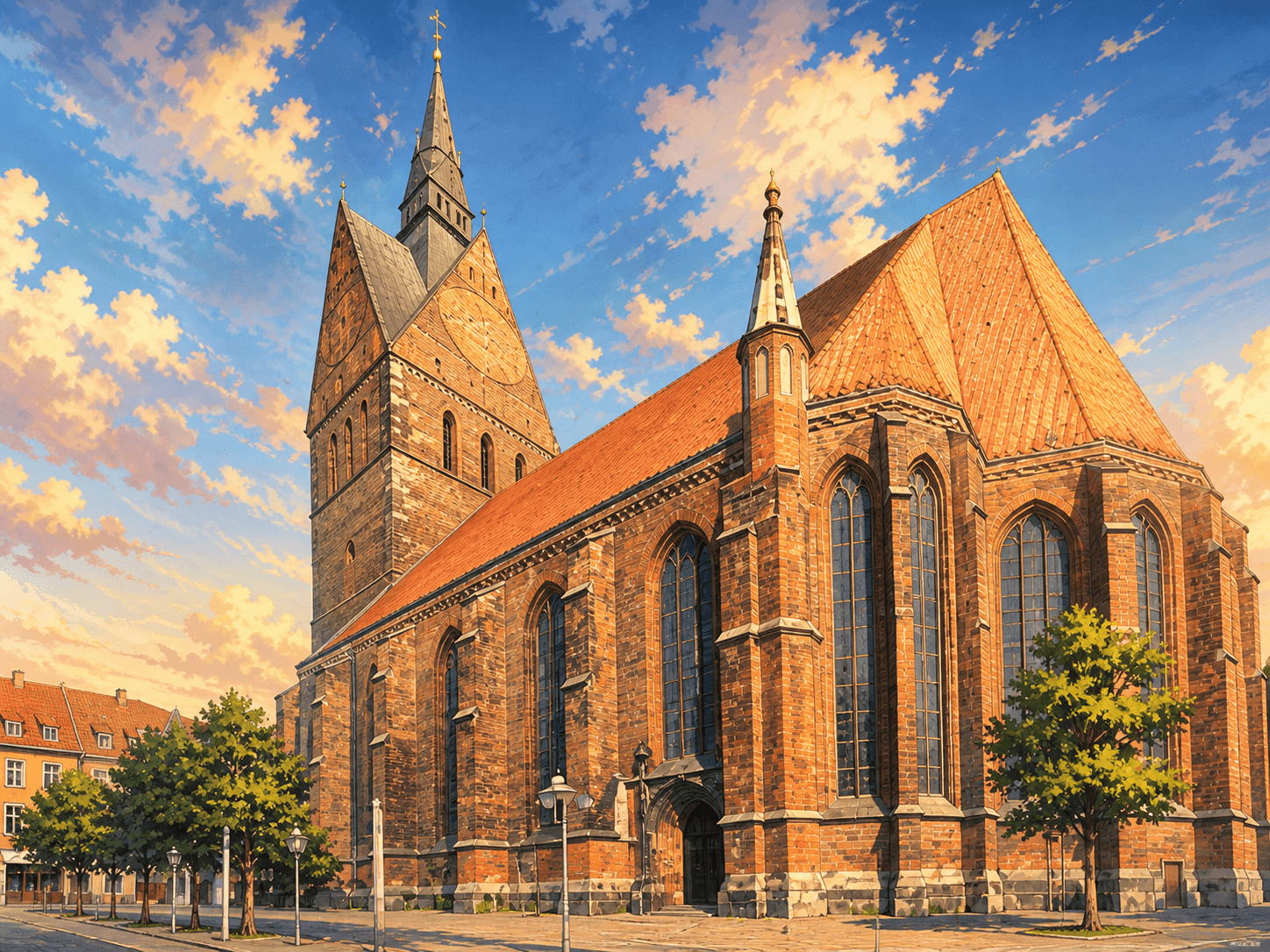
In January 2026, the capital city of Lower Saxony, Hannover, set a milestone in school development and urban infrastructure with the establishment of hanova KOMMUNAL GmbH. The city is planning extensive renovations and new constructions, particularly for three major school sites. At the same time, it is discussing the expansion of cycling infrastructure and socially balanced neighborhood development. An overview of the most important decisions and challenges.
The Founding of hanova KOMMUNAL GmbH and Its Impact on School Construction
In January 2026, a new era in Hannover's urban construction policy began. With the establishment of hanova KOMMUNAL GmbH, the city sent a clear signal for future-oriented, efficient, and municipal construction and renovation projects. The company is responsible for planning services up to performance phase 2 (basic investigation and preliminary planning) for school sites, including the IGS Roderbruch (approx. 250 million €), IGS Vahrenheide (approx. 150 million €), and the Käthe-Kollwitz-Schule (approx. 110 million €).
This measure is part of a comprehensive strategy to meet the growing need for modern, demand-oriented, and functional school infrastructure. According to the city, the number of students in Hannover has increased due to population growth and migration, underscoring the necessity of extensive renovation and new construction projects. hanova KOMMUNAL GmbH is not only to take on planning services but also the structural maintenance, renovation, and construction of municipal accommodations. The company is part of the equal-ranking group hanova and has clear public tasks to fulfill.
School Construction and Renovation Needs: Challenges and Financing
The January decisions show that school development in Hannover is no longer limited to routine maintenance. The city plans to invest over 500 million € in school construction alone for three sites. The estimated cost for planning is approx. 10 million €, which corresponds to 2% of the total project volume— a standard percentage in large-scale construction planning.
However, the financing of these projects is closely tied to the available budget. The city has clarified that measures will be commissioned only to the necessary extent and in accordance with the available funds. This shows that, despite its investment readiness, the city also faces budget constraints.
In parallel, renovation measures for existing school buildings are also planned, particularly at IGS Roderbruch, where the condition is already considered critical. The city has also submitted an urgency application to accelerate the construction process in order to ensure the school operation under acceptable hygienic and technical conditions.
Mobility Planning and Infrastructure in the Educational Landscape
In addition to the focus on school construction and renovation, topics of mobility planning and infrastructure were also in focus in January 2026. In particular, discussions took place on how schools and educational institutions can be integrated into the city's mobility strategy. The city has set target figures for parking and bicycle parking spaces for various educational institutions. These regulations aim to promote the expansion of public transport and cycling and to reduce the demand for car parking spaces.
In Zone A—such as in the district of Mitte—the target figures for car parking spaces drop to 0, as accessibility is ensured via public transport, walking, and cycling. In other districts, clear minimum standards are set to ensure a safe and traffic-appropriate access to educational institutions.
In addition, a controversial project on Hannoversche Straße in Misburg was discussed, where 37 parking spaces were removed in favor of a bicycle lane. This led to a debate about citizen participation and compensation for the lost parking spaces. The city has finally decided to restore the parking spaces and to make the planning more transparent.
Social Neighborhood Development and Educational Sites
Another topic that played a role in the January decisions was the development of the former Nordstadt Clinic site. Here, Hannover is focusing on social neighborhood development with an emphasis on subsidized housing, barrier-free accessibility, and ecological standards. The expansion of pedestrian and cycling infrastructure, as well as the creation of mobility hubs with carsharing and charging infrastructure, are central components of the plan. This project shows how educational institutions and housing can be connected within an integrated concept.
In summary, January 2026 was an intense month for education and infrastructure policy in Hannover. The city not only decided on investments in school construction but also took new steps in mobility planning and neighborhood development. With the establishment of hanova KOMMUNAL GmbH and the accelerated realization of school construction projects, Hannover is showing ambitions to actively address the challenges of demographic change and the increasing educational needs.
NeoSearch analyses public council documents, committee minutes and municipal announcements. Source references appear automatically once verified meeting data is available.
What does this mean for businesses?
Schools, daycare centres and public buildings create early planning and construction opportunities. Following council agendas surfaces tenders for refurbishment, new builds and fit-out months before the official award — from shell construction to specialist planning to furnishing.
Track similar decisions in your region
Set up monitoring for education & public facilities in Niedersachsen — prefilled from this article.
Set up monitoring →More signals from Hannover
Sport in Hannover: Structural Realignments and Investments in April 2026
In April 2026, Hannover decided to redefine its sports promotion, make significant investments in championships, and secure the future of its ice sports infrastructure. This blog post analyzes the new principles, financial highlights, and the long-term impact on the city's sports landscape.
Read more → Culture and Community in Hannover: Support, Projects, and Debates in April 2026
In April 2026, significant decisions in the areas of culture and community were in focus in Hannover. The Cultural Committee supported innovative projects, discussed the Volunteer Card, and provided impetus for artistic exhibitions and cultural participation.
Read more → Hannover Invests Heavily in Climate Protection: Community Gardens as Key to Urban Climate Adaptation
In April 2026, Hannover presented an ambitious concept for climate protection and green space development. Central to this is the role of community gardens as multifunctional spaces for climate adaptation, biodiversity promotion, and retention.
Read more →